


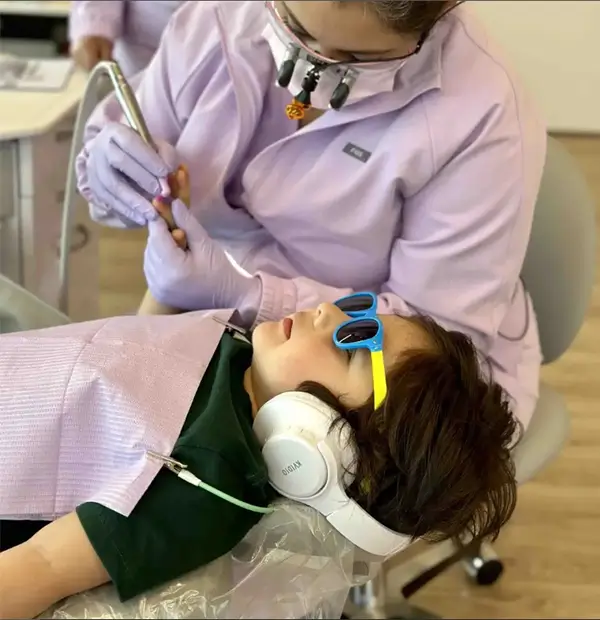
Parents want dental visits to feel safe and stress-free for their children. A pediatric dentist with sedation options in Lansdowne, VA provides that level of care. Lansdowne Pediatric Dentistry focuses on comfort, safety, and positive experiences.
Children often feel nervous about dental visits. Unfamiliar tools and sounds can increase anxiety. However, sedation options help create a calm and relaxed environment. This allows children to receive care without fear.
Additionally, pediatric dentists specialize in treating young patients. They understand how to communicate and build trust. This approach improves cooperation and overall experience.
Sedation options play an important role in modern pediatric care. They help children remain calm during procedures. This improves both comfort and efficiency.
Children who feel relaxed respond better to treatment. They can sit still and follow instructions more easily. This allows the dentist to work effectively.
Moreover, sedation reduces the emotional stress associated with dental visits. It prevents negative experiences that may affect future care.
Parents also benefit from this approach. They feel reassured knowing their child remains comfortable throughout the procedure.
Sedation dentistry uses safe and controlled methods to help children relax. The dentist selects the appropriate level based on the child’s needs. Each method focuses on comfort and safety.
Mild sedation helps children stay calm while remaining fully awake. Moderate sedation allows deeper relaxation during longer treatments. The dentist evaluates each case carefully.
Additionally, the dental team monitors the child throughout the procedure. This ensures safety and stability at all times.
Sedation does not replace communication. The child can still respond when needed. This creates a balance between comfort and awareness.
A pediatric dentist with sedation options focuses on the child’s experience. The goal is to reduce fear and build confidence.
The dental team uses friendly communication and gentle techniques. This helps children feel comfortable from the moment they arrive.
Additionally, the environment is designed to be welcoming and calming. This reduces anxiety and creates a positive atmosphere.
Children who feel supported are more likely to cooperate. This leads to better outcomes and smoother appointments.
Every child has unique needs and preferences. Lansdowne Pediatric Dentistry provides personalized care for each patient.
The dentist evaluates the child’s oral health, behavior, and comfort level. This helps determine the best sedation option.
Additionally, parents receive clear explanations before treatment. They understand the process and feel confident in their decisions.
Personalized care ensures that each child receives the right level of support. This improves both comfort and results.
Early experiences shape a child’s attitude toward dental care. Positive visits encourage healthy habits and regular checkups.
Sedation options help create these positive experiences. Children feel calm and comfortable during treatment.
Additionally, reducing fear early prevents long-term anxiety. Children grow up feeling confident about dental visits.
This approach supports lifelong oral health. It encourages consistent care and prevention.
Safety remains the highest priority in sedation dentistry. The dental team follows strict protocols during every procedure.
Monitoring equipment tracks the child’s vital signs throughout treatment. This ensures a safe and controlled environment.
Additionally, trained professionals supervise the entire process. Their expertise provides reassurance for parents and children.
Comfort also plays a central role. Sedation reduces discomfort and allows children to relax fully.
Sedation dentistry supports more than immediate comfort. It also helps maintain long-term oral health.
Children who feel relaxed during visits are more likely to return regularly. This allows early detection of dental issues.
Additionally, consistent care prevents more complex problems. It supports healthier teeth and gums over time.
Parents who choose sedation options often see improved cooperation. This leads to better oral hygiene and overall health.
One of the most significant benefits involves reducing anxiety. Many children feel nervous about dental visits. Sedation helps them feel calm and secure.
Children who experience less fear become more cooperative. This improves the overall treatment process.
Additionally, reducing anxiety supports future visits. Children feel more comfortable returning for regular care.
Parents also notice a difference in their child’s behavior. Calm visits create a more positive experience for everyone involved.
Cooperation plays a key role in successful dental care. Sedation helps children remain still and relaxed during procedures.
This allows the dentist to work efficiently. It reduces interruptions and improves results.
Additionally, better cooperation shortens appointment times. Children spend less time in the dental chair.
Parents benefit from smoother visits. This makes the experience more convenient and stress-free.
Comfort is essential for a positive dental experience. Sedation helps children feel relaxed and at ease.
They experience less discomfort during treatment. This creates a smoother and more pleasant process.
Additionally, sedation reduces sensitivity. Children remain comfortable even during longer procedures.
This level of comfort encourages positive dental habits. It helps children feel confident about future visits.
Sedation allows dentists to complete treatments more efficiently. Children remain calm, which improves focus and precision.
This often reduces the need for multiple appointments. Parents appreciate the time-saving benefits.
Additionally, completing treatments in fewer visits reduces stress. Children avoid repeated exposure to dental procedures.
Efficiency supports better outcomes. It ensures that care is delivered effectively.
Some children require additional support during dental visits. Sedation provides a safe and effective solution.
It helps children with sensory sensitivities or developmental challenges. These children often benefit from a calmer environment.
Additionally, sedation allows the dental team to provide thorough care. It ensures that every child receives attention and support.
Parents feel reassured knowing their child receives compassionate care. This builds trust in the dental team.
A strong gag reflex can make dental procedures difficult. Sedation helps reduce this reflex and improve comfort.
Children feel more relaxed, which allows the dentist to work easily. This leads to a smoother procedure.
Additionally, sedation reduces sensitivity in the mouth. This makes treatments more comfortable for children.
Parents notice that their child feels less discomfort. This improves the overall experience.
Positive experiences encourage healthy habits. Sedation dentistry helps children feel comfortable during visits.
Children who feel relaxed develop confidence. They become more willing to attend future appointments.
Additionally, this approach reduces fear and anxiety. It helps children build trust in their dentist.
Over time, these experiences support long-term oral health. Children feel motivated to care for their teeth.
Negative experiences can affect children for years. Sedation dentistry helps prevent fear and trauma.
Children feel calm and supported during treatment. This reduces the risk of long-term anxiety.
Additionally, positive visits encourage regular dental care. Children feel more comfortable returning for checkups.
Parents appreciate the gentle approach. It ensures that their child feels safe throughout the process.
Confidence plays an important role in oral health. Sedation helps children feel secure during dental visits.
Children who feel confident are more likely to maintain good habits. They approach dental care with a positive mindset.
Additionally, this confidence supports lifelong oral health. Children grow into adults who value regular dental care.
Parents see the long-term benefits of this approach. It creates a strong foundation for healthy smiles.
Sedation dentistry allows early treatment of dental issues. Children receive care before problems become severe.
This prevents complications and supports long-term oral health. Early intervention leads to better outcomes.
Additionally, sedation makes it easier to address multiple concerns in one visit. This improves efficiency and reduces stress.
Parents benefit from proactive care. It helps maintain their child’s healthy smile.
The process begins with a detailed consultation. The dentist evaluates the child’s oral health and medical history.
Parents can discuss concerns and ask questions during this visit. The dentist explains sedation options clearly.
Additionally, a personalized treatment plan is created. This ensures that the child receives appropriate care.
This step helps build trust and understanding. It prepares both parent and child for the procedure.
Preparation helps create a smooth experience. The dental team provides instructions before the visit.
Parents should follow these guidelines carefully. This ensures safety and comfort during treatment.
Additionally, children should feel calm and reassured before the appointment. Parents can provide support and encouragement.
The dental team also prepares the environment. They create a welcoming and relaxing space for the child.
The dentist administers sedation based on the child’s needs. This process follows strict safety protocols.
Children begin to feel relaxed within a short time. The level of sedation depends on the chosen method.
Additionally, the dental team monitors the child continuously. This ensures safety throughout the procedure.
Parents can feel confident in the controlled environment. Safety remains the top priority.
Once the child feels relaxed, the dentist begins the procedure. The child remains calm and cooperative.
The dentist performs the necessary treatment efficiently. This reduces the overall time spent in the chair.
Additionally, the child experiences minimal discomfort. The calm state supports a smooth process.
Parents often notice how relaxed their child remains. This improves the overall experience.
The dental team monitors the child’s vital signs throughout the procedure. This ensures stability and safety.
Advanced equipment tracks breathing, heart rate, and oxygen levels. This allows immediate response if needed.
Additionally, trained professionals supervise the entire process. Their expertise provides reassurance for parents.
This level of care ensures a safe and controlled experience. It supports confidence in the treatment.
After the procedure, the child gradually becomes more alert. Recovery depends on the type of sedation used.
Children may feel slightly drowsy for a short time. This feeling fades as the sedation wears off.
Additionally, the dental team provides post-care instructions. These guidelines support a smooth recovery.
Parents should monitor their child during this period. Providing comfort helps complete the process successfully.
Sedation dentistry creates a positive experience from start to finish. Children feel calm, safe, and supported.
Parents appreciate the gentle approach and efficient care. The entire process focuses on reducing stress.
Additionally, children develop a positive view of dental care. This supports long-term oral health and confidence.
A pediatric dentist with sedation options in Lansdowne, VA provides a reliable solution. It ensures that children receive high-quality care in a comfortable environment.
Every child reacts differently to dental visits. Some feel comfortable, while others experience fear or discomfort. Recognizing the signs early helps parents choose the best care approach.
A pediatric dentist with sedation options in Lansdowne, VA provides a solution for children who struggle during dental care. Sedation helps create a calm and supportive environment. It allows children to receive treatment without stress.
Parents should observe behavior, reactions, and emotional responses before and during dental visits. These signs often indicate whether sedation may improve the experience.
Additionally, early action prevents negative dental memories. It helps children build confidence and maintain long-term oral health.
Dental anxiety is one of the most common signs. Some children feel nervous before appointments. Others experience intense fear that affects their behavior.
Children may cry, refuse to enter the dental office, or cling to their parents. These reactions often show that the child feels overwhelmed.
Additionally, fear may increase due to unfamiliar tools or past experiences. Children may associate dental visits with discomfort.
A pediatric dentist with sedation options helps reduce this anxiety. Sedation creates a relaxed state where children feel safe and secure.
Dental procedures often require children to remain still. Some children find this difficult, especially during longer treatments.
Parents may notice constant movement or restlessness in the chair. The child may struggle to stay in position.
Additionally, frequent movement can interrupt treatment. It may make it harder for the dentist to complete procedures effectively.
Sedation helps children stay calm and still. This allows the dentist to work efficiently while ensuring safety.
A strong gag reflex can interfere with dental procedures. Children may react when tools touch certain areas of the mouth.
This reaction can make even simple treatments difficult. It may also cause discomfort and anxiety.
Additionally, children may feel nervous about this sensation. This can lead to resistance during visits.
Sedation helps relax the gag reflex. It creates a smoother and more comfortable experience for the child.
Some children have heightened sensitivity to sensory experiences. Dental tools, lights, and sounds may feel overwhelming.
Parents may notice that their child reacts strongly to noise or bright lights. They may cover their ears or become distressed.
Additionally, sensitivity may lead to refusal or fear of dental visits. This can make routine care challenging.
Sedation reduces sensory overload. It helps children feel calm and comfortable during treatment.
Past experiences can shape a child’s perception of dental care. A difficult visit may create lasting fear or anxiety.
Children may remember discomfort and become hesitant about future appointments. They may resist or avoid dental visits entirely.
Additionally, these experiences can affect cooperation during treatment. The child may feel uneasy even before the procedure begins.
Sedation helps replace negative memories with positive ones. It creates a gentle and comfortable experience that builds trust.
Some children require multiple procedures or complex treatments. These situations can feel overwhelming without additional support.
Parents may worry about how their child will handle long appointments. The child may also feel anxious about repeated visits.
Additionally, completing treatment in one session can be more efficient. This reduces stress for both child and parent.
Sedation allows the dentist to complete treatments more effectively. It keeps the child calm and comfortable throughout the process.
Children have different levels of sensitivity to discomfort. Some may react strongly to even mild sensations.
Parents may notice that their child becomes upset during routine dental care. This may include cleanings or simple procedures.
Additionally, fear of discomfort can lead to avoidance. This may delay necessary dental treatment.
Sedation helps reduce discomfort. It allows children to remain relaxed and comfortable during care.
Younger children or those with developmental challenges may struggle to follow instructions. This can make dental procedures more difficult.
Parents may notice that their child has trouble staying still or opening their mouth. This can slow down treatment.
Additionally, frustration may occur for both the child and the dental team. This can affect the overall experience.
Sedation supports better cooperation. It allows the dentist to complete procedures while the child remains calm.
Children with special healthcare needs often require additional support. Sensory sensitivities or communication challenges may affect dental visits.
Parents may notice that their child becomes overwhelmed in unfamiliar environments. This can make dental care more difficult.
Additionally, these children may need more time and patience during treatment. Sedation provides a helpful solution.
It creates a calm and controlled environment. This allows the dental team to deliver thorough and compassionate care.
Avoidance behavior often signals fear or discomfort. Children may refuse to attend appointments or show distress beforehand.
Parents may notice excuses, complaints, or emotional reactions before visits. This behavior may increase over time.
Additionally, avoiding dental care can lead to worsening oral health. Delayed treatment may result in more serious issues.
Sedation dentistry helps reduce avoidance. It creates a more positive experience that encourages regular visits.
Some children become emotional during dental visits. They may cry, become upset, or feel overwhelmed.
Parents may notice these reactions even before treatment begins. This indicates a high level of anxiety.
Additionally, emotional distress can make it difficult to complete procedures. It may require multiple attempts or visits.
Sedation helps calm these reactions. It allows the child to feel relaxed and secure throughout the appointment.
Routine exams are important for maintaining oral health. However, some children resist opening their mouth for examination.
Parents may notice that their child refuses to cooperate during checkups. This can prevent proper evaluation.
Additionally, resistance may delay early detection of dental issues. This can lead to more complex problems later.
Sedation supports cooperation during exams. It allows the dentist to assess oral health effectively.
Fear of dental tools or injections can increase anxiety. Children may feel uncomfortable when they see instruments.
Parents may notice that their child becomes nervous or upset during preparation. This can affect the procedure.
Additionally, fear of injections may prevent necessary treatment. This can delay care.
Sedation reduces awareness of these triggers. It helps children remain calm and comfortable.
Some children have incomplete dental treatments due to lack of cooperation. This may result from anxiety or discomfort.
Parents may notice that procedures stop midway or require rescheduling. This can increase stress.
Additionally, incomplete treatment may affect oral health. It may lead to worsening conditions over time.
Sedation helps complete treatments successfully. It allows the dentist to work efficiently while the child remains calm.
Behavioral challenges can affect dental care. Children may become uncooperative or resistant during treatment.
Parents may notice difficulty following instructions or staying calm. This can make visits more challenging.
Additionally, these behaviors may increase stress for both the child and the dental team.
Sedation helps manage these challenges. It creates a calm environment that supports cooperation.
Some children feel discomfort more intensely than others. This sensitivity can make dental procedures difficult.
Parents may notice strong reactions to minor sensations. This can lead to fear of dental visits.
Additionally, sensitivity may prevent necessary care. This can affect long-term oral health.
Sedation reduces these sensations. It helps children feel more comfortable during treatment.
Recognizing these signs early helps parents make informed decisions. A pediatric dentist with sedation options provides a safe and effective solution.
Early intervention prevents negative experiences. It supports better cooperation and improved oral health.
Additionally, children who feel comfortable during visits develop positive habits. They become more confident in dental settings.
Parents who stay attentive can provide the best support. They help their children receive care without stress or fear.
Choosing sedation when needed helps create positive dental experiences. Children who feel calm and supported develop trust in their dentist.
This trust encourages regular checkups and preventive care. It also reduces fear and anxiety over time.
Additionally, positive experiences help children build confidence. They approach dental care with a healthier mindset.
Lansdowne Pediatric Dentistry focuses on creating these experiences. A pediatric dentist with sedation options ensures that every child receives comfortable and effective care.
Ultimately, recognizing the signs and taking action leads to better outcomes. Children enjoy healthier smiles and a more positive relationship with dental care.
Sedation dentistry helps children receive care in a calm and comfortable way. After the visit, maintaining those results becomes essential. Parents play a key role in reinforcing habits and protecting oral health.
Children who feel relaxed during treatment often develop more confidence. This confidence should continue through daily routines and future appointments. With the right approach, parents can help their children maintain both comfort and long-term dental health.
Additionally, consistent care prevents future issues. It supports healthy teeth, gums, and overall development. A proactive routine ensures lasting results after sedation dentistry.
Children remember how they feel during dental visits. After sedation dentistry, many feel calm and supported. Parents should reinforce this positive experience at home.
Talking about the visit in a positive way helps. Highlight how well your child did during treatment. This builds confidence and reduces fear of future visits.
Additionally, avoid discussing stressful details. Focus on comfort and success instead. This helps children associate dental care with safety.
Over time, these conversations shape a healthier mindset. Children become more willing to attend regular checkups.
Oral hygiene remains the foundation of long-term results. Children should brush their teeth twice daily using proper technique. Parents should guide younger children during brushing.
Using a soft-bristled toothbrush protects sensitive areas. Gentle brushing removes plaque without causing irritation.
Additionally, flossing helps clean between teeth. This prevents buildup that may lead to cavities or gum issues.
Consistency plays a major role in maintaining results. Daily routines protect the improvements achieved during treatment.
Diet directly impacts oral health. After sedation dentistry, maintaining a balanced diet supports long-term results. Children should eat foods rich in vitamins and minerals.
Nutritious foods strengthen teeth and gums. They also support overall health and healing.
Additionally, parents should limit sugary snacks and drinks. Sugar increases the risk of cavities and plaque buildup.
Encouraging water intake also helps. Drinking water rinses away food particles and supports a clean oral environment.
Healthy eating habits protect dental results. They reduce the need for future treatments.
Routine dental visits are essential for maintaining results. These appointments allow the dentist to monitor oral health and detect issues early.
Children who had positive experiences with sedation dentistry often feel more comfortable returning. This improves cooperation during checkups.
Additionally, professional cleanings remove plaque and tartar. These cleanings support better oral hygiene and long-term health.
Parents should maintain a consistent schedule for visits. Regular care helps prevent future problems and supports healthy smiles.
Confidence plays a key role in maintaining results. Children who feel comfortable during visits are more likely to cooperate.
Parents can build confidence by encouraging positive behavior. Praise your child for brushing regularly and attending appointments.
Additionally, avoid using dental visits as a threat or punishment. This may create fear and resistance.
Present visits as a normal part of staying healthy. This approach encourages a positive attitude toward dental care.
Confidence leads to better habits. It supports long-term oral health and comfort.
Parents should observe their child’s oral health regularly. Monitoring helps detect changes or concerns early.
Look for signs such as redness, swelling, or discomfort. These may indicate a developing issue that needs attention.
Additionally, watch for changes in eating or brushing habits. Children may avoid certain activities if they feel discomfort.
If concerns arise, contact the dentist promptly. Early action prevents minor issues from becoming serious problems.
Certain habits can affect dental results. Parents should discourage behaviors that may damage teeth or gums.
For example, chewing on hard objects can cause cracks or wear. Nail biting or using teeth to open items should also be avoided.
Additionally, excessive consumption of sugary foods increases the risk of cavities. Limiting these habits helps maintain oral health.
Encouraging positive behaviors supports long-term success. It protects the benefits of dental treatment.
Proper brushing technique ensures effective cleaning. Parents should teach children how to brush all tooth surfaces.
Children should use gentle, circular motions while brushing. This removes plaque without damaging enamel or gums.
Additionally, brushing should last at least two minutes. Using a timer or music can make this routine more enjoyable.
Parents should supervise brushing until children can do it correctly. Guidance helps build strong habits early.
As children grow, they can take more responsibility for their oral hygiene. Encouraging independence helps maintain results over time.
Parents should gradually allow children to brush and floss on their own. However, supervision remains important to ensure proper technique.
Additionally, teaching children why oral care matters builds awareness. They learn the importance of maintaining healthy teeth.
Independence encourages consistency. It helps children develop lifelong habits that support oral health.
Some children may experience mild sensitivity after dental treatments. This is usually temporary and manageable.
Using gentle oral care products can help reduce discomfort. Parents should choose toothpaste designed for sensitive teeth if needed.
Additionally, avoiding very hot or cold foods may help. This prevents irritation during the recovery period.
If sensitivity continues, consult the dentist. Professional guidance ensures proper care and comfort.
A supportive environment helps children maintain positive dental habits. Parents should encourage open communication about oral care.
Children should feel comfortable sharing their experiences. This allows parents to address concerns quickly.
Additionally, maintaining a calm approach reduces anxiety. Children feel more secure when they receive reassurance.
A positive environment supports both emotional and physical well-being. It reinforces the benefits of sedation dentistry.
Hydration plays an important role in oral health. Drinking water helps rinse away food particles and bacteria.
Saliva helps protect teeth and gums. Staying hydrated supports healthy saliva production.
Additionally, water helps maintain a balanced oral environment. It reduces dryness and discomfort.
Encouraging regular water intake supports long-term results. It also promotes overall health.
Consistency remains the most important factor in maintaining results. Daily routines reinforce the benefits of dental treatment.
Children should follow a structured schedule for brushing, flossing, and healthy eating. This ensures long-term success.
Parents should guide these routines until children can manage them independently. This builds strong habits over time.
Consistency leads to lasting results. It supports both oral health and overall well-being.
Early intervention prevents complications. Parents should not ignore signs of discomfort or changes in oral health.
If a child experiences pain or sensitivity, contact the dentist immediately. Prompt care helps maintain results.
Additionally, addressing concerns early reduces the need for complex treatments. It keeps dental care simple and effective.
Parents who stay proactive protect their child’s oral health. Early action leads to better outcomes.
Positive reinforcement motivates children to maintain good habits. Praising their efforts encourages consistency.
Parents can celebrate small achievements, such as brushing regularly or attending appointments. This builds confidence.
Additionally, rewarding positive behavior creates motivation. Children feel proud of their efforts.
Positive reinforcement supports long-term success. It helps children develop a strong commitment to oral health.
Sedation dentistry often marks a turning point in a child’s dental journey. Maintaining results helps build a strong foundation for the future.
Children who feel comfortable with dental care develop positive habits. They become more confident in maintaining their oral health.
Additionally, consistent care reduces the risk of future issues. It supports healthier teeth and gums over time.
Parents play a key role in this process. Their guidance ensures that children continue to benefit from treatment.
Strong communication with the dental team supports long-term success. Parents should feel comfortable asking questions or sharing concerns.
The dental team can provide personalized advice for maintaining results. Each child may have different needs and recommendations.
Additionally, regular communication ensures that any issues are addressed early. This prevents complications and supports ongoing care.
Maintaining this relationship builds trust. It creates a partnership focused on the child’s health and well-being.
Children who undergo sedation dentistry may feel more confident afterward. Parents should support this emotional growth.
Encourage your child to talk about their experience. Positive discussions help reinforce confidence.
Additionally, celebrate their bravery and cooperation. This builds self-esteem and reduces fear of future visits.
Emotional confidence supports long-term dental success. It encourages children to approach care with a positive mindset.
Maintaining results after visiting a pediatric dentist with sedation options requires dedication. However, the benefits make the effort worthwhile.
Children experience improved comfort, better oral health, and increased confidence. Parents who stay proactive see the best outcomes.
Sedation dentistry provides a positive starting point. With proper care, these results can last for years.
Ultimately, consistent routines, regular visits, and supportive habits ensure lasting success. Children enjoy healthier smiles and a positive relationship with dental care.
Preparing your child for a visit with a pediatric dentist who offers sedation options helps ensure a smooth experience. Children feel more relaxed when they understand what will happen. Parents should explain the visit using simple and reassuring words.
It helps to describe the appointment as gentle and safe. Avoid using words that may create fear. Instead, focus on how the dentist will help keep them comfortable.
Additionally, maintaining a calm attitude is important. Children often reflect their parent’s emotions. When parents remain relaxed, children feel more secure and confident.
Encouraging your child to ask questions also helps. This builds trust and reduces anxiety before the visit.
Selecting the right dental provider makes a significant difference. Pediatric dentists specialize in caring for children with patience and understanding.
Lansdowne Pediatric Dentistry provides sedation options designed for children. The team focuses on safety, comfort, and personalized care. This approach ensures a positive experience.
Moreover, experienced providers adjust their methods based on each child’s needs. They consider age, behavior, and medical history. This personalized care improves both comfort and outcomes.
Parents should feel confident in their choice of dentist. Trust reduces stress and helps the child feel more at ease.
Timing plays a key role in your child’s experience. Scheduling the appointment when your child feels rested improves cooperation.
Morning appointments often work best for younger children. They tend to feel calmer and more alert earlier in the day.
Additionally, avoid scheduling during nap times or meal times. Hunger or fatigue can increase irritability and anxiety.
Parents should also allow extra time before and after the appointment. This prevents rushing and supports a relaxed schedule.
The dental team will provide specific instructions before the visit. Following these guidelines ensures safety and comfort.
Instructions may include eating restrictions or preparation steps. Parents should review them carefully and follow them closely.
Additionally, explaining these steps to your child helps them feel prepared. This reduces confusion and builds confidence.
Preparation may also include bringing comfort items. A favorite toy or blanket can help children feel secure during the visit.
A calm environment helps reduce anxiety. Parents should avoid discussing negative dental experiences before the appointment.
Instead, focus on positive and reassuring messages. Let your child know that the dentist is there to help them.
Engaging in relaxing activities before the visit also helps. Reading a book or listening to music creates a peaceful mindset.
Parents should also manage their own stress. A calm parent helps create a calm child.
Understanding sedation helps children feel less anxious. Parents should explain that sedation helps them relax and stay comfortable.
Use simple language that your child can understand. Avoid giving too many details that may cause confusion.
Additionally, reassure your child that they will be safe. Let them know that the dental team will take care of them.
When children understand the purpose of sedation, they feel more confident. This leads to better cooperation during treatment.
Comfortable clothing helps children feel relaxed during the appointment. Choose outfits that allow easy movement and do not cause irritation.
Loose-fitting clothes often work best. They help the child stay comfortable throughout the procedure.
Additionally, avoid accessories that may interfere with treatment. Keeping things simple ensures a smooth visit.
Parents can also bring a comfort item if needed. This provides extra reassurance during the appointment.
Positive reinforcement helps shape your child’s experience. Praising your child for being brave encourages cooperation.
Parents can offer small rewards after the appointment. This creates a positive association with dental visits.
Additionally, acknowledging your child’s effort builds confidence. It shows them that they handled the experience well.
Over time, this approach reduces fear. Children become more comfortable with dental care.
Open communication ensures a better experience. Parents should share any concerns or relevant information before the procedure.
This may include medical history or previous dental experiences. Providing this information helps the dentist tailor the approach.
Additionally, parents should ask questions if they feel unsure. Understanding the process builds confidence and reduces anxiety.
The dental team can also offer helpful preparation tips. This collaboration supports a smoother visit.
Parents often provide comfort by staying present during the visit. Their presence helps children feel safe and secure.
Offering reassurance or holding your child’s hand can make a difference. Simple gestures help maintain calmness.
Additionally, maintaining a positive tone encourages cooperation. Avoid expressing worry in front of your child.
The dental team will guide both parent and child. Following their instructions ensures a smooth experience.
Teaching your child simple relaxation techniques can help reduce anxiety. Deep breathing helps calm the mind and body.
Parents can practice these techniques at home before the appointment. This prepares the child for the visit.
Additionally, guided breathing can be used during the procedure. It helps children stay focused and relaxed.
These techniques create a sense of control. This improves the overall experience.
Children may feel anxious if they hear negative stories about dental visits. Parents should limit exposure to such information.
Avoid discussing past negative experiences in front of your child. Instead, focus on positive messages.
Additionally, use age-appropriate explanations when discussing the procedure. This ensures clarity without causing fear.
Creating a positive mindset helps children approach the visit with confidence.
Planning for after the appointment helps ensure a smooth recovery. Children may feel slightly drowsy after sedation.
Parents should prepare a calm and comfortable space at home. Allowing time for rest supports recovery.
Additionally, having soft foods available can help. This ensures comfort when the child is ready to eat.
Monitoring your child after the appointment is important. Providing reassurance helps them feel safe.
Good oral hygiene before the appointment supports better outcomes. Clean teeth and gums create a healthier environment for treatment.
Parents should ensure consistent brushing and flossing. This reduces bacterial buildup and supports a smoother procedure.
Additionally, teaching proper techniques helps children feel prepared. They become more comfortable with oral care routines.
Maintaining hygiene also supports faster recovery. It reduces the risk of complications after treatment.
Regular dental visits help children become familiar with the environment. This familiarity reduces anxiety over time.
Parents should schedule routine checkups before sedation is needed. These visits reinforce positive experiences.
Additionally, consistent care builds trust between the child and the dental team. This trust improves cooperation during procedures.
Children who feel comfortable with their dentist are more likely to maintain good oral health habits.
Every child responds differently to dental care. Patience and encouragement help children feel supported.
Parents should allow their child to express their feelings. Listening helps build trust and understanding.
Additionally, offering reassurance helps reduce anxiety. Positive words create a comforting environment.
A supportive approach improves the overall experience. It helps children feel more confident.
Confidence helps children handle dental visits more easily. Parents can build confidence through positive reinforcement.
Celebrating small achievements motivates children. It helps them feel proud of their efforts.
Additionally, discussing the benefits of treatment helps children understand its importance. This creates a sense of purpose.
Confidence leads to better cooperation. It supports long-term comfort with dental care.
Keeping a normal routine on the day of the appointment helps children feel secure. Familiar activities create stability.
Parents should avoid introducing stressful situations. A calm morning supports a positive mindset.
Additionally, arriving early allows time to adjust to the environment. This reduces anxiety and prevents rushing.
A well-planned day contributes to a smoother experience. It helps children feel relaxed and prepared.
Children feel more comfortable when they understand what is happening. Encouraging curiosity allows them to ask questions.
Parents should answer questions honestly and simply. This helps children feel informed.
Additionally, the dental team can provide clear explanations. This reinforces understanding and trust.
Curiosity replaces fear with confidence. Children feel more in control of the experience.
Ending the experience on a positive note helps children feel proud. Parents can plan a small reward or fun activity afterward.
This creates a strong positive association with dental care. It encourages children to view future visits positively.
Additionally, discussing the successful experience reinforces confidence. Parents can highlight how well the child handled the procedure.
Positive memories reduce future anxiety. They support a lifetime of healthy dental habits.
Using a pediatric dentist with sedation options provides a strong foundation for positive dental care. Maintaining that experience requires ongoing support.
Parents who follow these tips help their children feel confident and comfortable. They also support long-term oral health and regular visits.
Additionally, consistent routines and encouragement create lasting habits. Children learn to approach dental care with confidence and ease.
Ultimately, preparation, communication, and support ensure success. Children enjoy healthier smiles and a positive relationship with dental care for years to come.
A pediatric dentist with sedation options focuses on both treatment and comfort. Unlike general dental care, this approach prioritizes a child’s emotional experience. The goal is to reduce fear while delivering effective treatment.
Sedation options allow the dentist to adjust care based on the child’s needs. Some children need mild relaxation, while others require deeper calming support. The dentist evaluates behavior, anxiety level, and treatment complexity before deciding.
Additionally, pediatric dentists receive specialized training in child behavior. They understand how to communicate clearly and build trust. This creates a supportive environment where children feel safe.
Sedation enhances this experience by reducing discomfort and anxiety. Children remain calm, which allows the dentist to complete procedures efficiently. This leads to better outcomes and fewer appointments.
Parents often notice that their child feels more relaxed during and after the visit. This positive experience helps build confidence in dental care over time.
Sedation dentistry for children is very safe when trained professionals administer it. Pediatric dentists follow strict safety protocols during every procedure. They carefully evaluate each child’s medical history and current health before treatment.
The dental team selects the appropriate sedation level based on the child’s needs. This personalized approach ensures both safety and effectiveness.
During the procedure, the team continuously monitors the child. They track breathing, heart rate, and oxygen levels using advanced equipment. This ensures that the child remains stable and comfortable at all times.
Additionally, the medications used in sedation dentistry are well-researched and widely approved. Dentists use precise dosages to match the child’s age and condition.
Parents often feel reassured by this level of care. The combination of training, monitoring, and controlled methods creates a safe environment. Sedation dentistry remains a reliable option for children who need extra support during dental visits.
The level of awareness depends on the type of sedation used. In most cases, children remain awake but deeply relaxed. They may feel calm and slightly drowsy during the procedure.
Mild sedation allows children to stay fully responsive while feeling relaxed. Moderate sedation provides a deeper sense of calm, but the child can still respond to instructions.
Some children may not remember much about the procedure afterward. This is normal and often helps reduce anxiety about future visits.
The dentist selects the appropriate sedation level based on the child’s needs. This ensures comfort without compromising safety.
Parents often find this reassuring. Their child remains protected while experiencing a calm and comfortable procedure.
Preparation plays a key role in ensuring a smooth experience. The dental team provides specific instructions before the appointment. Parents should follow these guidelines carefully.
These instructions may include eating restrictions or timing recommendations. Following them helps ensure safety during the procedure.
Parents should also explain the visit in a positive and simple way. Use reassuring language to describe how the dentist will help them feel comfortable. Avoid sharing details that may cause fear.
Additionally, bringing a favorite toy or blanket can provide comfort. Familiar items help children feel secure in a new environment.
Creating a calm atmosphere before the visit also helps. Engaging in relaxing activities reduces anxiety and prepares the child for the appointment.
When children feel prepared and supported, they respond better to sedation dentistry. This leads to a smoother and more positive experience.
Recovery time depends on the type of sedation used. Most children begin to feel alert shortly after the procedure. However, mild drowsiness may continue for a few hours.
Parents should plan for a quiet and restful period after the visit. Children may need time to relax and regain full energy. This is a normal part of recovery.
Additionally, the dental team provides clear aftercare instructions. These guidelines help parents support their child at home.
Children should avoid strenuous activities for the rest of the day. Offering soft foods and plenty of fluids helps maintain comfort.
Most children return to normal routines within a short time. Parents should monitor their child and provide reassurance as needed.
Overall, recovery is typically smooth and manageable. The gentle nature of sedation supports a comfortable transition after treatment.
Your child deserves dental care that feels safe, gentle, and supportive. Choosing a pediatric dentist with sedation options in Lansdowne, VA creates a positive experience that can shape your child’s future. At Lansdowne Pediatric Dentistry, every visit focuses on comfort, trust, and high-quality care.
If your child feels anxious about dental visits or struggles during treatment, sedation dentistry offers a solution. It allows your child to stay calm and relaxed while receiving the care they need. This approach not only improves the experience but also supports better results.
Our experienced team understands how to care for children with patience and compassion. We take time to explain every step and ensure that both parents and children feel confident. From consultation to recovery, we remain committed to your child’s well-being.
Early action can prevent dental issues from becoming more serious. It also helps your child develop a positive relationship with dental care. When children feel comfortable, they are more likely to maintain healthy habits for life.
Now is the perfect time to give your child a better dental experience. Let us help your family enjoy stress-free visits with gentle and effective care. Contact Lansdowne Pediatric Dentistry today to schedule an appointment and discover how sedation options can support your child’s healthy, confident smile.
Lansdowne Pediatric Dentistry Named Best Pediatric Dental Practice in Best of Loudoun 2026