


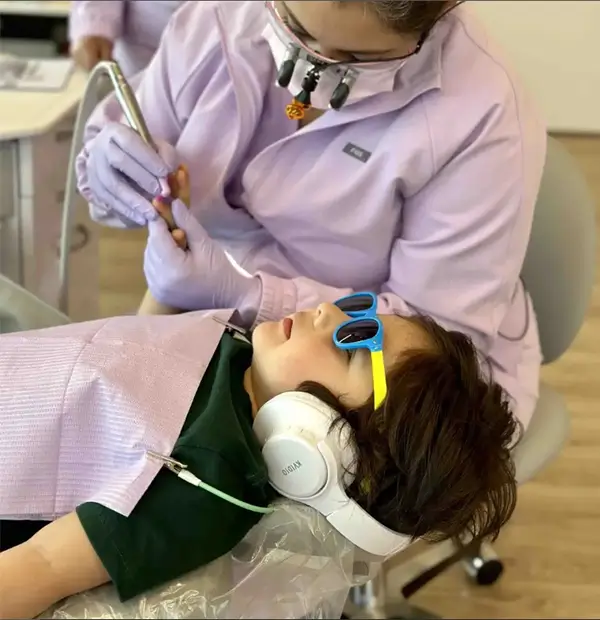
Parents in Lansdowne, VA often seek gentle solutions for oral restrictions in children. A CO2 laser frenectomy offers a modern and precise option. Lansdowne Pediatric Dentistry focuses on comfort, safety, and efficiency. This advanced treatment helps infants, children, and teens improve oral function quickly.
A frenectomy removes or releases a tight frenum. The frenum is a small band of tissue. It connects the lips, tongue, or cheeks to the gums. Sometimes, this tissue restricts movement. As a result, children may struggle with feeding, speech, or oral development.
CO2 laser technology transforms this procedure. It allows dentists to work with accuracy and minimal discomfort. Because of this, many families in Lansdowne choose this option over traditional methods.
Traditional frenectomy procedures often involve scalpels and sutures. In contrast, CO2 laser treatment uses focused light energy. This method cuts and cauterizes tissue at the same time. Therefore, it reduces bleeding and speeds healing.
Children benefit from shorter appointments. They also experience less anxiety. The laser creates a cleaner surgical site. As a result, the risk of infection decreases significantly.
Moreover, the procedure often requires little to no anesthesia. This feature makes it ideal for young patients. Parents appreciate the gentle approach and faster recovery time.
Lansdowne Pediatric Dentistry prioritizes child-centered care. The team understands how to create a calm and welcoming environment. Each child receives personalized attention. This approach helps reduce fear and build trust.
Dentists explain the procedure in simple terms. They also guide parents through every step. Because of this, families feel confident about treatment decisions.
Additionally, the practice uses advanced technology for precise outcomes. CO2 laser frenectomy reflects their commitment to modern care. It also ensures children receive the best possible experience.
A CO2 laser frenectomy addresses several oral concerns. Tongue-tie is one of the most common issues. This condition limits tongue movement. It can affect breastfeeding, speech, and swallowing.
Lip-tie is another concern. It occurs when the upper lip cannot move freely. This restriction may cause feeding challenges and dental spacing issues.
In some cases, cheek ties also appear. These can impact oral hygiene and comfort. By treating these conditions early, dentists help prevent long-term complications.
Early intervention plays a crucial role in oral development. When restrictions go untreated, they may lead to speech delays. Children might also develop improper swallowing patterns.
Furthermore, dental alignment can suffer. Tight tissue may pull on gums and teeth. Over time, this can create gaps or gum recession.
By choosing CO2 laser frenectomy in Lansdowne, VA, parents support healthy growth. The procedure allows proper movement of oral structures. As a result, children can eat, speak, and smile with ease.
Safety remains a top priority in pediatric dentistry. CO2 lasers provide controlled and precise treatment. The technology minimizes damage to surrounding tissue.
Because the laser seals blood vessels instantly, bleeding stays minimal. This feature enhances safety during the procedure. It also improves visibility for the dentist.
Children often feel little discomfort. Many return to normal activities quickly. This smooth recovery helps families manage treatment easily.
Healing time matters, especially for young patients. CO2 laser frenectomy promotes faster recovery. The laser stimulates natural healing processes.
Since there are no stitches, children avoid additional discomfort. The surgical site remains clean and protected. As a result, complications are rare.
Parents often notice immediate improvements. Babies may feed better right away. Older children may speak more clearly within days.
Oral restrictions can affect daily life significantly. Feeding challenges often appear in infants. They may struggle to latch or swallow properly.
Speech issues can develop later. Children may find it hard to pronounce certain sounds. This difficulty can impact confidence and communication.
CO2 laser frenectomy addresses these problems directly. By releasing restricted tissue, it restores natural movement. Consequently, children experience noticeable improvements.
Families in Lansdowne seek effective and gentle care. CO2 laser frenectomy meets these expectations. It combines advanced technology with compassionate treatment.
Lansdowne Pediatric Dentistry continues to lead in pediatric care. Their approach ensures children feel safe and supported. At the same time, parents receive clear guidance and reassurance.
Choosing this treatment helps children thrive. It supports proper oral function and long-term health. For many families, it becomes a life-changing decision.
CO2 laser frenectomy offers a gentle approach to oral surgery. The laser replaces traditional tools like scalpels. Because of this, the procedure feels less invasive.
Children often remain calm during treatment. The absence of cutting instruments reduces fear. This makes the experience more positive for young patients.
Additionally, the laser works with precision. It targets only the necessary tissue. As a result, surrounding areas remain untouched.
Pain management is a major concern for parents. CO2 laser technology addresses this effectively. The laser seals nerve endings during the procedure.
Therefore, children feel minimal discomfort. Many patients do not require strong anesthesia. This benefit makes the procedure safer and easier.
After treatment, soreness remains mild. Most children recover quickly without significant pain. Parents appreciate this smooth recovery process.
Bleeding often worries both parents and children. However, CO2 lasers cauterize blood vessels instantly. This feature keeps the treatment area clean.
The dentist maintains better visibility throughout the procedure. As a result, accuracy improves significantly. This leads to better outcomes.
Furthermore, minimal bleeding reduces stress for young patients. The experience feels less overwhelming.
Healing speed plays a vital role in pediatric care. CO2 laser frenectomy promotes rapid recovery. The laser stimulates tissue regeneration naturally.
Children often resume normal activities quickly. Eating and speaking improve within days. This quick turnaround benefits both children and parents.
Since the procedure avoids stitches, healing becomes simpler. The body repairs itself efficiently without complications.
Infection risk decreases with laser treatment. The CO2 laser sterilizes the area as it works. This reduces bacteria at the surgical site.
A cleaner environment supports better healing. It also minimizes the need for additional medications. Parents feel more confident about safety.
Because of this advantage, complications remain rare. Children recover with fewer concerns.
One of the most important benefits is improved oral function. A released frenum allows proper movement. Children can move their tongue and lips freely.
This improvement supports better feeding in infants. It also enhances chewing and swallowing in older children.
Speech clarity often improves as well. Children can pronounce sounds more accurately. This change boosts communication skills.
Speech development depends on proper tongue movement. Restrictions can limit sound production. Over time, this may cause delays.
CO2 laser frenectomy helps address this issue early. By releasing tight tissue, it allows natural movement. As a result, speech becomes clearer.
Children gain confidence when they speak. They feel more comfortable interacting with others. This positive impact extends beyond oral health.
Infants with tongue-tie often struggle with breastfeeding. They may have difficulty latching properly. This can lead to frustration for both baby and mother.
CO2 laser frenectomy provides an effective solution. The procedure improves tongue mobility immediately. Babies can latch more easily.
As a result, feeding becomes more efficient. Mothers experience less discomfort. This benefit strengthens the bonding experience.
Traditional procedures often require stitches. These can cause discomfort and anxiety. However, CO2 laser frenectomy eliminates this need.
The laser seals tissue as it works. This creates a natural barrier. Therefore, the surgical site remains stable without sutures.
Children avoid the stress of stitch removal. Healing becomes smoother and more comfortable.
Time matters, especially for children. CO2 laser frenectomy takes only a few minutes. The quick process reduces stress and anxiety.
Children spend less time in the dental chair. This helps them stay relaxed and cooperative. Parents also appreciate the efficiency.
Because the procedure is fast, recovery begins sooner. Families can return to normal routines quickly.
Early treatment supports long-term oral health. By addressing restrictions, dentists prevent future issues. These may include misaligned teeth or gum problems.
Children develop healthier oral habits. They can brush and floss more effectively. This reduces the risk of cavities and gum disease.
Overall, CO2 laser frenectomy contributes to a healthier smile. It supports proper growth and development over time.
The process begins with a detailed consultation. The dentist examines the child’s oral structures. They assess tongue and lip movement carefully.
Parents discuss concerns such as feeding or speech issues. The dentist explains whether a frenectomy is necessary. This step ensures informed decision-making.
Clear communication builds trust. Families understand the benefits and expectations before treatment begins.
Preparation remains simple and stress-free. In most cases, children do not need extensive preparation. The dentist may apply a topical anesthetic.
This numbs the area gently. Children remain comfortable throughout the procedure. Parents can stay nearby for reassurance.
The dental team creates a calm environment. This helps children feel safe and relaxed.
The procedure itself is quick and precise. The dentist uses a CO2 laser to release the frenum. The laser works with focused light energy.
It cuts and cauterizes tissue simultaneously. This reduces bleeding and discomfort. The entire process usually takes only a few minutes.
Children often remain calm during treatment. The absence of traditional tools makes the experience less intimidating.
Children feel very little during the procedure. The laser minimizes nerve stimulation. As a result, discomfort remains low.
Many patients describe the experience as mild pressure. This gentle approach makes it ideal for pediatric care.
Parents appreciate the reduced need for anesthesia. It enhances safety and comfort.
One of the most exciting aspects is immediate improvement. Babies may feed better right away. Older children may notice improved tongue movement instantly.
The dentist may guide simple exercises. These help maintain mobility and prevent reattachment.
Parents often see positive changes within hours. This quick result provides reassurance.
After the procedure, care remains simple. The dentist provides clear instructions. These may include gentle stretching exercises.
Children can eat and drink shortly after treatment. Soft foods may feel more comfortable initially.
Parents should monitor healing progress. However, complications are rare. Most children recover without issues.
Healing begins immediately after the procedure. The laser promotes natural tissue repair. This speeds up recovery significantly.
A small white or yellow patch may appear. This is part of normal healing. It usually disappears within days.
Children return to normal routines quickly. Most experience minimal disruption to daily activities.
Follow-up visits ensure proper healing. The dentist checks the treatment site carefully. They also evaluate improvements in function.
If needed, they adjust care instructions. This ensures the best possible outcome.
Regular monitoring supports long-term success. Families feel confident throughout the process.
Emotional comfort plays a key role in pediatric care. The dental team uses gentle communication. They explain each step in simple terms.
Children feel supported and understood. This reduces anxiety significantly.
Positive experiences help build lifelong dental confidence. Children learn to trust dental visits.
Parents receive guidance every step of the way. The dental team answers questions clearly. They provide reassurance before and after the procedure.
Understanding the process helps parents feel confident. They can support their child effectively during recovery.
This collaborative approach ensures a smooth experience for the entire family.
After healing, children experience lasting benefits. Improved oral function enhances daily life. Feeding, speaking, and oral hygiene become easier.
The results of CO2 laser frenectomy are long-lasting. With proper care, reattachment remains unlikely.
Families often notice significant improvements in quality of life. This makes the procedure a valuable investment in their child’s health.
Parents often notice subtle signs before a diagnosis. Oral restrictions, such as tongue-tie or lip-tie, can affect daily functions. These conditions limit movement of the tongue or lips. As a result, children may struggle with feeding, speech, or comfort.
Recognizing early signs helps prevent long-term complications. Lansdowne Pediatric Dentistry focuses on early detection and gentle care. A CO2 laser frenectomy provides a precise and effective solution. However, identifying the need for treatment starts with understanding symptoms.
One of the earliest signs appears during breastfeeding. Babies with tongue-tie often struggle to latch properly. They may slip off frequently or fail to maintain suction. This creates frustration for both the baby and the mother.
Poor latch can also lead to longer feeding sessions. Babies may seem hungry even after feeding. In many cases, they do not get enough milk. This can affect weight gain and overall development.
Mothers may experience discomfort or pain during feeding. This often signals an underlying issue. A restricted tongue limits proper movement. As a result, breastfeeding becomes inefficient and stressful.
Another common sign is a clicking sound during feeding. This noise indicates a loss of suction. Babies may try to compensate for restricted movement. However, the effort often leads to ineffective feeding.
This issue may cause excessive air intake. Babies can become gassy or fussy afterward. Parents may notice frequent burping or discomfort. These signs often connect to oral restrictions.
Feeding challenges can lead to slow weight gain. Babies may not consume enough nutrients. Over time, this affects growth and development.
Parents should monitor feeding patterns closely. If concerns arise, early evaluation becomes important. Addressing the issue quickly can improve feeding efficiency.
As children grow, speech becomes a key indicator. A restricted tongue can limit sound production. Children may struggle with letters like “t,” “d,” “l,” or “r.”
Speech may sound unclear or delayed. Teachers or caregivers might notice these issues. Early intervention can help improve clarity.
CO2 laser frenectomy allows better tongue movement. This supports proper articulation and communication.
Some children reach speech milestones later than expected. While delays can have many causes, oral restrictions often play a role. Limited tongue mobility affects the ability to form words.
Parents may notice fewer words or unclear speech patterns. Comparing progress with peers can highlight concerns. Early evaluation ensures timely support.
Children may feel frustrated when they cannot express themselves clearly. They might avoid speaking in certain situations. This can affect confidence and social interaction.
Improving tongue mobility helps children communicate more effectively. As a result, confidence often increases.
Older children may show signs during mealtime. A restricted tongue can make chewing difficult. Food may not move properly within the mouth.
Children might prefer soft foods. They may avoid certain textures or struggle with solid foods. This can limit nutritional variety.
Improving tongue movement allows better control during chewing. This supports healthier eating habits.
Some children gag or choke more often while eating. This occurs because the tongue cannot guide food effectively. As a result, swallowing becomes challenging.
Parents should watch for frequent gagging episodes. This sign often indicates an underlying issue. Addressing it early can improve safety during meals.
Children with oral restrictions may have difficulty managing food. They might spill food or struggle to keep it in their mouth. While messy eating is normal at a young age, persistent issues may signal a problem.
Improved tongue mobility helps children control food better. This leads to cleaner and more efficient eating.
A lip-tie can create a noticeable gap between front teeth. The tight tissue pulls on the gums. Over time, this affects tooth alignment.
While gaps can be normal in some cases, persistent spacing may require evaluation. Treating the restriction can support proper dental development.
Tight tissue may place pressure on the gums. This can lead to gum recession or irritation. Children may experience discomfort while brushing.
Addressing the restriction helps reduce tension. This supports healthier gums and easier oral hygiene.
Limited tongue movement can make cleaning the mouth harder. Children may struggle to remove food particles effectively. This increases the risk of cavities and gum issues.
Improved mobility allows better oral hygiene habits. Children can brush and rinse more effectively.
Some children breathe through their mouth instead of their nose. This habit may connect to oral restrictions. A limited tongue position can affect airway function.
Mouth breathing can lead to dry mouth and poor sleep quality. Over time, it may impact overall health.
Evaluating oral function helps identify contributing factors. Treatment can support better breathing patterns.
Children with restricted oral movement may snore or sleep poorly. They might toss and turn during the night. This can affect energy levels during the day.
Parents may notice fatigue or irritability. Addressing the underlying issue can improve sleep quality.
Better tongue positioning supports proper airway function. This leads to more restful sleep.
Infants with feeding difficulties often become irritable. They may cry frequently or seem unsettled. This behavior often connects to frustration during feeding.
Parents may feel unsure about the cause. However, oral restrictions can play a significant role. Addressing the issue can improve comfort and mood.
Older children may avoid speaking, eating certain foods, or social situations. They might feel self-conscious about their abilities. This can affect emotional well-being.
Improving oral function helps children feel more confident. They become more willing to participate in daily activities.
One of the most noticeable signs is restricted tongue movement. The tongue may not lift or extend fully. Children may struggle to stick out their tongue.
Parents can observe this during simple activities. If movement seems limited, evaluation is recommended.
A CO2 laser frenectomy can release the restriction. This restores natural mobility.
Some children show a heart-shaped tongue when they try to extend it. This occurs because the frenum pulls the center inward. It is a clear visual indicator of tongue-tie.
Dentists often use this sign during diagnosis. It helps confirm the need for treatment.
A lip-tie may prevent the upper lip from moving freely. The lip may not lift easily. This can affect feeding and dental development.
Parents may notice difficulty when brushing front teeth. Addressing the issue can improve mobility and comfort.
Children with oral restrictions may develop improper swallowing habits. They might use compensatory movements. Over time, this can affect oral and facial development.
Correcting the restriction supports natural swallowing patterns. This promotes healthy growth.
Limited tongue movement can influence jaw development. The tongue plays a role in shaping the palate. Restrictions may lead to narrow or uneven growth.
Early intervention helps guide proper development. This reduces the need for more complex treatments later.
If symptoms persist, professional evaluation becomes important. Occasional issues may not indicate a problem. However, ongoing difficulties often require attention.
Parents should trust their observations. If concerns continue, consulting a pediatric dentist is the next step.
When several signs appear together, the likelihood of oral restriction increases. For example, feeding issues combined with speech delays may indicate a problem.
A comprehensive evaluation helps identify the root cause. This ensures accurate diagnosis and treatment.
Pediatricians, lactation consultants, or speech therapists may suggest evaluation. They often recognize signs of oral restriction. Their recommendations should not be ignored.
Collaborative care ensures the best outcome for the child. Each professional contributes valuable insight.
The procedure releases tight tissue quickly and precisely. This allows the tongue or lip to move freely. As a result, many symptoms improve immediately.
Children can feed, speak, and function more comfortably. This transformation often occurs within days.
Improved oral function supports multiple aspects of development. Feeding becomes more efficient. Speech clarity improves. Oral hygiene becomes easier.
These benefits contribute to overall well-being. Children can grow and thrive without limitations.
CO2 laser technology ensures a gentle experience. The procedure is quick and minimally invasive. Children experience less discomfort and faster recovery.
Parents appreciate the safety and effectiveness of this approach. It provides peace of mind during treatment.
Early recognition prevents more serious issues later. Untreated restrictions can affect speech, dental alignment, and confidence. Addressing the problem early avoids these challenges.
Children benefit from timely intervention. They can develop normally without unnecessary obstacles.
Resolving oral restrictions improves daily life. Children can eat, speak, and interact with ease. Parents notice positive changes quickly.
This improvement enhances both physical and emotional well-being. It creates a better experience for the entire family.
Understanding the signs of oral restriction is essential for parents. Early detection leads to effective treatment. CO2 laser frenectomy in Lansdowne, VA offers a modern solution.
By paying attention to feeding, speech, and behavior, parents can identify concerns early. Professional evaluation ensures accurate diagnosis and care.
Lansdowne Pediatric Dentistry provides compassionate and advanced treatment. Their approach focuses on comfort, precision, and long-term results. Recognizing the signs is the first step toward helping children achieve optimal oral health.
A CO2 laser frenectomy offers immediate improvements in oral function. However, maintaining those results requires consistent care. After the procedure, the body begins healing quickly. At the same time, proper guidance ensures the tissue heals correctly.
Parents play a key role in this process. By following post-procedure instructions, they help prevent reattachment. They also support long-term success. Lansdowne Pediatric Dentistry provides clear guidance to make recovery smooth and effective.
Consistency remains essential. Small daily actions create lasting results. Therefore, understanding aftercare steps helps protect the benefits of treatment.
After the procedure, the dental team provides detailed instructions. These steps guide parents through the healing process. Following them closely helps ensure proper tissue recovery.
Parents should avoid skipping any recommendations. Even simple steps can make a big difference. When followed consistently, these instructions prevent complications.
Clear communication with the dental team also helps. If questions arise, reaching out ensures proper care continues.
Oral hygiene remains important after treatment. Keeping the area clean supports healing and prevents infection. Parents should gently clean the mouth as advised.
For infants, this may involve simple wiping techniques. Older children can rinse or brush carefully. However, gentle handling is important during early healing.
Maintaining cleanliness promotes faster recovery. It also protects the treated area from irritation.
Stretching exercises play a crucial role after a frenectomy. They prevent the tissue from reattaching during healing. Without these movements, the body may try to reconnect the tissue.
These exercises keep the area flexible. They also support proper movement of the tongue or lip. As a result, the benefits of the procedure remain intact.
Parents should understand the importance of consistency. Performing exercises regularly ensures better outcomes.
The dental team demonstrates proper techniques. Parents should follow these instructions closely. Each movement should be gentle yet effective.
For tongue-tie, lifting the tongue helps maintain mobility. For lip-tie, gently elevating the lip supports healing. These actions should be done several times a day.
Although children may resist at first, consistency helps them adjust. Over time, the process becomes easier.
Establishing a routine helps maintain consistency. Parents can schedule exercises during diaper changes or after meals. This ensures they do not forget important steps.
A predictable routine also helps children feel more comfortable. They begin to expect the process and cooperate more easily.
Consistency remains the key to long-term success.
After the procedure, children should use their tongue actively. Natural movements help maintain flexibility. Activities such as feeding and speaking support this process.
Parents can encourage simple movements. For example, allowing babies to breastfeed or bottle-feed regularly helps strengthen function. Older children can practice speaking or playful tongue movements.
These actions reinforce the benefits of the procedure.
Eating plays an important role in recovery. Soft foods may feel more comfortable at first. However, gradually introducing a variety of textures helps strengthen oral function.
Chewing different foods encourages proper tongue movement. It also supports coordination and control.
Parents should monitor comfort levels. Gradual progression ensures a smooth transition to normal eating habits.
Healing after a CO2 laser frenectomy follows a predictable pattern. A white or yellow patch may appear at the site. This is part of the normal healing process.
Parents should not mistake this for infection. It usually disappears within a few days. Mild swelling or tenderness may also occur.
Understanding these signs helps parents feel confident. It prevents unnecessary चिंता or concern.
Although complications are rare, monitoring remains important. Parents should look for signs such as excessive swelling or persistent discomfort.
If any unusual symptoms appear, contacting the dental office is essential. Early attention ensures any issues are addressed quickly.
Regular observation supports safe and effective healing.
Follow-up visits play a vital role in maintaining results. The dentist evaluates healing progress during these appointments. They also check for proper movement.
Attending these visits ensures everything heals correctly. If adjustments are needed, the dentist can provide guidance.
Parents should prioritize these appointments. They support long-term success and peace of mind.
Each child heals differently. The dental team may provide additional recommendations based on progress. These personalized instructions help optimize results.
Parents should remain open to guidance. Ongoing support ensures the best possible outcome.
During healing, the body naturally tries to repair tissue. In some cases, this can lead to reattachment. Without proper care, the frenum may tighten again.
Stretching exercises and movement help prevent this issue. They keep the tissue flexible and separated.
Awareness of this risk helps parents stay consistent with care routines.
Consistency is the most effective way to prevent reattachment. Missing exercises can increase the risk of tissue tightening.
Parents should stay committed to the recommended schedule. Even when progress seems good, continuing exercises remains important.
This dedication ensures lasting results.
After the procedure, children may need time to adjust. Encouraging speech helps improve clarity. Parents can engage in conversations and reading activities.
Simple interactions promote better articulation. Over time, children gain confidence in speaking.
Speech development improves as tongue mobility increases.
In some cases, speech therapy may help. A speech therapist can guide children through exercises. This support enhances communication skills further.
Combining therapy with proper aftercare leads to excellent results.
Good oral hygiene supports long-term results. Children should brush and rinse regularly. This keeps the mouth healthy and clean.
Parents should guide younger children during brushing. Ensuring proper technique prevents plaque buildup.
Healthy habits contribute to overall oral health.
While hygiene is important, gentle care is necessary during healing. Parents should avoid aggressive brushing near the treated area.
Using soft brushes and gentle techniques helps protect the site. This approach balances cleanliness with comfort.
Emotional support plays a significant role in recovery. Children may feel uncertain after the procedure. Parents should offer reassurance and comfort.
Explaining the process in simple terms helps children understand. Positive reinforcement encourages cooperation.
A calm environment supports healing and confidence.
Some children may resist exercises or care routines. Parents should remain patient and encouraging. Turning exercises into a game can help.
This approach makes the process more enjoyable. It also reduces stress for both parent and child.
As children grow, oral structures continue to develop. Parents should monitor progress over time. Regular dental visits help track changes.
The dentist can identify any concerns early. This ensures ongoing oral health.
Maintaining awareness supports long-term success.
Healthy habits formed after the procedure should continue. Proper eating, speaking, and hygiene practices support lasting results.
Parents should encourage these habits daily. Consistency ensures the benefits remain intact.
Strong communication with the dental team supports effective care. Parents should share any concerns or observations. This helps the dentist provide better guidance.
Regular updates ensure the child receives personalized care. This partnership strengthens treatment outcomes.
Lansdowne Pediatric Dentistry offers expert care and support. Their team provides clear instructions and ongoing assistance. Parents can rely on their expertise throughout the process.
Trusting professional guidance ensures the best results. It also provides peace of mind for families.
Maintaining results improves daily comfort for children. They can eat, speak, and interact with ease. This enhances overall quality of life.
Parents often notice positive changes quickly. These improvements continue as the child grows.
Better oral function supports confidence. Children feel more comfortable expressing themselves. They engage more in social and learning activities.
This positive impact extends beyond oral health. It contributes to overall development and happiness.
Maintaining results after a CO2 laser frenectomy requires commitment and consistency. By following care instructions, performing exercises, and attending follow-ups, parents ensure lasting benefits.
Lansdowne Pediatric Dentistry provides guidance every step of the way. Their approach focuses on gentle care and long-term success.
With proper aftercare, children can enjoy improved oral function and comfort. These benefits support healthy growth and development for years to come.
A CO2 laser frenectomy offers a gentle and effective solution for oral restrictions. However, proper preparation and understanding can make the experience even smoother. Parents who feel informed and confident can support their child better. At the same time, children respond positively when they sense calm and reassurance.
Lansdowne Pediatric Dentistry focuses on creating a stress-free environment. Still, preparation at home plays an important role. By following helpful tips, families can ensure a comfortable and successful experience from start to finish.
Selecting a pediatric dental specialist is one of the most important steps. Children require a different approach compared to adults. Pediatric dentists understand child behavior and developmental needs.
They also use techniques designed to reduce anxiety. This creates a more relaxed experience for young patients. In addition, specialized training ensures precise and safe treatment.
Parents should look for a practice that focuses on advanced technology. CO2 laser treatment requires expertise and modern equipment. Choosing the right provider improves both safety and outcomes.
Experience matters when it comes to laser procedures. Parents should feel comfortable asking questions about the dentist’s background. Understanding how often the procedure is performed can provide reassurance.
A skilled provider ensures precision during treatment. This reduces discomfort and speeds recovery. Confidence in the dental team helps parents and children feel at ease.
Knowledge reduces fear and uncertainty. Parents should take time to understand how the procedure works. A CO2 laser frenectomy uses focused light energy to release tight tissue.
The process is quick and minimally invasive. There is little bleeding, and recovery begins immediately. Knowing these details helps parents explain the procedure to their child.
When children understand what to expect, they feel more secure. This preparation leads to a smoother experience.
Open communication is essential. Parents should share any concerns during the consultation. This includes questions about comfort, healing, or aftercare.
The dental team can provide clear answers and reassurance. They may also offer personalized recommendations based on the child’s needs.
This discussion builds trust and confidence. It also ensures that parents feel prepared for the procedure.
Children respond well to simple explanations. Parents should describe the procedure in a calm and positive way. Avoid using words that may create fear.
For example, describing the procedure as quick and gentle can help. Emphasizing that it will help them feel better also provides reassurance.
Keeping the tone positive reduces anxiety. It helps children approach the experience with confidence.
Role-playing can help children feel more comfortable. Parents can pretend to be the dentist and explain each step. This familiarizes the child with the process.
Using toys or stories can make the activity fun. It also allows children to ask questions and express concerns.
Preparation through play helps reduce fear. It creates a sense of control and understanding.
Timing plays an important role in a child’s experience. Parents should schedule the appointment when the child is well-rested. Morning appointments often work best for younger children.
A well-rested child is more cooperative and calm. Avoid scheduling during nap times or when the child is usually tired.
Proper timing helps ensure a smoother procedure.
Comfortable clothing can make a difference. Children should wear loose and soft clothes. This helps them feel relaxed during the visit.
Parents may also bring a favorite blanket or toy. Familiar items provide comfort and reassurance.
Small details like these create a positive environment.
For infants, feeding before the procedure can help. A well-fed baby is more relaxed and less fussy. However, parents should follow any specific instructions from the dentist.
After the procedure, feeding often improves immediately. Babies may latch better and feed more efficiently.
Planning feeding times helps ensure comfort before and after treatment.
Older children should stay hydrated before the appointment. Drinking water helps maintain comfort and overall well-being.
After the procedure, hydration supports healing. It also keeps the mouth clean and reduces dryness.
Simple steps like this contribute to a smoother recovery.
Children often mirror their parents’ emotions. If parents feel anxious, children may sense it. Staying calm and positive helps create a reassuring atmosphere.
Parents should focus on the benefits of the procedure. Understanding that it will improve the child’s comfort can ease चिंता.
Confidence from parents translates to confidence in children.
During the visit, parents should offer gentle reassurance. Holding a child’s hand or speaking calmly can reduce anxiety.
Simple phrases like “You’re doing great” can make a big difference. Positive reinforcement encourages cooperation.
This support helps children feel safe and secure.
The procedure itself is very quick. Most CO2 laser frenectomies take only a few minutes. Knowing this helps parents and children feel less anxious.
The dentist uses a laser to release the tissue precisely. There is minimal discomfort and very little bleeding.
Understanding the simplicity of the process builds confidence.
Children usually experience little discomfort during the procedure. The laser seals nerve endings as it works. This reduces pain significantly.
Parents should explain that the procedure may feel unusual but not painful. This prepares children without causing fear.
Clear expectations lead to a better experience.
After the procedure, children may need comfort and reassurance. Parents should stay close and provide support. Holding or cuddling younger children can help.
Older children may appreciate quiet time or a favorite activity. Keeping the environment calm supports recovery.
Immediate comfort helps children feel secure.
Children can usually return to normal activities quickly. However, gentle activities are best initially. Avoid rough play for a short time.
This allows the treated area to begin healing properly. Gradual return to normal routines ensures comfort.
Parents should observe their child’s energy level and adjust accordingly.
Aftercare instructions are essential for maintaining results. Parents should follow them carefully. This includes cleaning and stretching exercises.
Consistency prevents complications and supports healing. Skipping steps may affect the outcome.
Daily commitment ensures long-term success.
Parents should observe healing closely. Watching for normal signs helps ensure everything is on track. Any concerns should be addressed promptly.
Regular monitoring provides peace of mind. It also allows early intervention if needed.
After the procedure, children should use their tongue and lips normally. This helps maintain mobility and flexibility.
Activities like talking, eating, and playing support this process. Encouraging natural movement reinforces the benefits of treatment.
Over time, these actions become effortless.
Some children may take time to adjust. They might need practice to use their tongue effectively. Parents should remain patient and supportive.
Positive encouragement helps children adapt. Gradual improvement leads to lasting results.
Regular dental check-ups remain important. The dentist can monitor progress and ensure proper healing. These visits support long-term oral health.
Parents should keep up with scheduled appointments. This ensures any concerns are addressed early.
Consistent care leads to better outcomes.
Healthy habits support the results of the procedure. Children should maintain good oral hygiene and eating habits. These practices contribute to overall well-being.
Parents should guide and encourage these habits daily. Consistency ensures lasting benefits.
Celebrating small milestones can boost confidence. Parents can praise their child for bravery and cooperation. This creates a positive association with dental care.
Simple rewards or encouragement can make a big difference. Children feel proud of their progress.
This positivity helps build trust in future dental visits.
A positive experience with a frenectomy can shape future attitudes. Children who feel safe and supported are less likely to fear dental visits.
Parents should continue reinforcing positive experiences. This builds long-term confidence in oral care.
Having a CO2 laser frenectomy in Lansdowne, VA can be a smooth and positive experience with the right preparation. By choosing a skilled pediatric dentist, understanding the procedure, and supporting your child emotionally, you create a strong foundation for success.
Following these tips helps ensure comfort, confidence, and effective healing. Lansdowne Pediatric Dentistry provides expert care and guidance throughout the process. With proper preparation and support, children can experience lasting improvements in oral function and overall well-being.
A CO2 laser frenectomy is a modern dental procedure that releases tight oral tissue using focused light energy. This tissue, called the frenum, connects the tongue, lips, or cheeks to the gums. In some children, the frenum becomes too tight and restricts movement. As a result, it can affect feeding, speech, and oral development.
Unlike traditional methods, a CO2 laser does not use scalpels or stitches. Instead, the laser gently cuts and seals the tissue at the same time. This process reduces bleeding and minimizes discomfort. Because of this, the procedure feels less invasive and more comfortable for children.
The laser also sterilizes the area during treatment. This lowers the risk of infection and supports faster healing. In most cases, the procedure takes only a few minutes. Children can often return to normal activities shortly after.
Another key benefit is precision. The dentist can target only the necessary tissue without affecting surrounding areas. This leads to better outcomes and a smoother recovery.
Overall, a CO2 laser frenectomy offers a safe, efficient, and child-friendly solution. It improves oral function while ensuring comfort throughout the process.
Pain is one of the biggest concerns for parents. Fortunately, CO2 laser frenectomy is designed to minimize discomfort. The laser seals nerve endings as it works. Because of this, children feel very little pain during the procedure.
In many cases, only a topical anesthetic is needed. This numbs the area gently without requiring injections. As a result, the experience feels less intimidating for young patients.
During the procedure, children may feel slight pressure or warmth. However, most describe it as mild and manageable. The absence of cutting tools also helps reduce anxiety.
After the procedure, discomfort remains minimal. Some children may experience mild soreness, but it usually fades quickly. Most can eat, drink, and speak comfortably within a short time.
Parents often notice that their child recovers faster compared to traditional methods. There are no stitches to cause irritation. This makes the healing process smoother and less stressful.
Overall, the procedure prioritizes comfort and safety. With proper care, children experience a gentle and positive treatment experience.
Recovery after a CO2 laser frenectomy is typically quick and uncomplicated. Because the procedure is minimally invasive, healing begins immediately. Most children recover faster than with traditional surgical methods.
In the first few days, the treated area may appear white or slightly yellow. This is a normal part of the healing process. It does not indicate infection. Parents should expect this appearance to fade within a week.
Children often return to normal activities within the same day. Eating and speaking improve quickly, especially if the restriction affected these functions before. Infants may show better feeding patterns almost immediately.
Mild soreness may occur during the first 24 to 48 hours. However, this discomfort is usually manageable and short-lived. Most children do not require strong pain relief.
Complete healing may take one to two weeks. During this time, following aftercare instructions is important. Stretching exercises and proper hygiene help ensure optimal results.
Regular follow-up visits also support recovery. The dentist can monitor progress and address any concerns. With proper care, the healing process remains smooth and effective.
Aftercare plays a critical role in maintaining the results of the procedure. While the laser creates a precise and clean release, the body naturally tries to heal the tissue. Without proper care, the frenum may reattach.
Stretching exercises help prevent this issue. They keep the tissue flexible and maintain proper movement. Performing these exercises consistently ensures long-term success.
Oral hygiene is another important aspect of aftercare. Keeping the area clean supports healing and reduces the risk of infection. Gentle cleaning methods should be used, especially during the first few days.
Parents should also monitor their child’s progress. Observing normal healing signs helps ensure everything is on track. If any unusual symptoms appear, contacting the dental provider is recommended.
Additionally, follow-up appointments allow the dentist to evaluate healing. These visits provide reassurance and guidance. They also ensure that the desired results are achieved.
By following aftercare instructions closely, parents can protect the benefits of the procedure. This commitment leads to improved oral function and lasting results.
Parents often notice positive changes soon after the procedure. One of the most immediate improvements is better oral movement. Children can move their tongue or lips more freely.
For infants, feeding becomes easier. They may latch better and feed more efficiently. This reduces frustration for both the baby and the parent. Improved feeding also supports healthy growth.
Older children may show clearer speech. Sounds that were difficult before may become easier to pronounce. Over time, communication skills improve significantly.
Eating habits also benefit from the procedure. Children can chew and swallow more effectively. This allows them to enjoy a wider variety of foods.
In addition, oral hygiene becomes easier. Improved tongue mobility helps remove food particles and maintain cleanliness. This reduces the risk of cavities and gum issues.
Beyond physical improvements, confidence often increases. Children feel more comfortable speaking and interacting. This positive change enhances their overall quality of life.
While results vary for each child, the benefits are often noticeable and meaningful. With proper care, these improvements can last for years.
Your child deserves the best care and comfort when it comes to their oral health. A CO2 laser frenectomy in Lansdowne, VA offers a gentle, effective, and modern solution for oral restrictions. Whether your child struggles with feeding, speech, or overall oral function, this advanced procedure can make a meaningful difference.
At Lansdowne Pediatric Dentistry, every child receives personalized and compassionate care. The team understands the unique needs of young patients. They create a calm and welcoming environment that helps children feel safe and supported. From the initial consultation to post-procedure care, parents are guided every step of the way.
Choosing the right time to address oral restrictions can have a lasting impact. Early intervention helps prevent future challenges. It supports proper development and improves daily comfort. With the precision of CO2 laser technology, treatment becomes quicker, safer, and more effective.
If you have noticed signs such as feeding difficulties, speech concerns, or limited oral movement, it may be time to take action. A professional evaluation can provide clarity and peace of mind. The dental team will assess your child’s needs and recommend the best approach.
Do not wait for small concerns to become bigger issues. Taking the next step now can lead to better outcomes for your child’s health and confidence. A simple procedure can create lasting improvements in how your child eats, speaks, and smiles.
Schedule a consultation with Lansdowne Pediatric Dentistry today. Discover how CO2 laser frenectomy can transform your child’s oral function and overall well-being. Your child’s comfort, health, and happiness are worth it.
Lansdowne Pediatric Dentistry Named Best Pediatric Dental Practice in Best of Loudoun 2026