


As a parent, few things are more distressing than seeing your child in pain. Child dental trauma, particularly tooth fractures, can be a source of worry and confusion. Understanding how to handle such situations can alleviate some of the stress and ensure your child receives the best care possible.
What Is a Tooth Fracture?
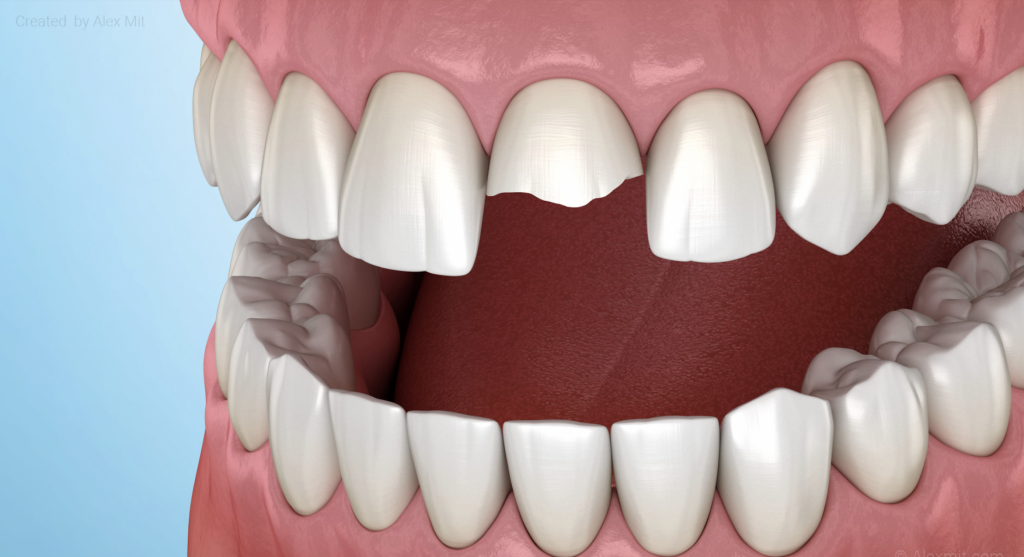
A tooth fracture is any break or crack in a tooth. In children, these fractures often result from falls, sports injuries, or accidents. They can range from minor chips to severe breaks that affect the tooth’s root and surrounding structures. Recognizing the type and severity of the fracture is crucial in determining the appropriate treatment.
Types of Tooth Fractures
- Minor Chips: Small fractures that only affect the outer enamel layer. These are often painless and primarily a cosmetic concern.
- Enamel-Dentin Fractures: These fractures extend deeper into the tooth, reaching the dentin layer beneath the enamel. They may cause sensitivity to temperature changes and sweet foods.
- Enamel-Dentin-Pulp Fractures: These are more serious and involve the innermost part of the tooth, the pulp, which contains nerves and blood vessels. Such fractures often cause significant pain and require prompt attention.
- Root Fractures: These fractures extend below the gum line and can be quite serious. They may not be immediately visible but can cause persistent pain and sensitivity.
Immediate Steps to Take
If your child suffers a tooth fracture, here are some steps to follow:
- Stay Calm: Your reaction can influence your child’s response. Staying calm can help soothe and reassure them.
- Assess the Situation: Check for any visible damage and determine if there is any bleeding or swelling.
- Clean the Area: Rinse your child’s mouth gently with warm water to clean the area and remove any debris.
- Save the Fragments: If you can find the broken pieces of the tooth, save them. Place them in a container with milk or saline solution. These fragments can sometimes be reattached.
- Apply Cold Compress: Use a cold compress on the cheek outside the injured area to reduce swelling and pain.
- Contact a Pediatric Dentist: Call your pediatric dentist immediately. Explain the situation in detail, and follow their instructions.
Treatment Options
The treatment for a tooth fracture depends on its severity:
- Minor Chips: These may be smoothed out or restored with a tooth-colored filling material.
- Enamel-Dentin Fractures: Your dentist may apply a filling or a crown to protect the tooth and restore its function.
- Enamel-Dentin-Pulp Fractures: These usually require more intensive treatment, such as a root canal therapy, to remove the damaged pulp and seal the tooth.
- Root Fractures: Treatment options vary depending on the location and severity of the fracture. Sometimes, the tooth can be stabilized with a splint, while other times, extraction may be necessary.
Preventing Tooth Fractures
While accidents happen, there are steps you can take to reduce the risk of dental trauma:
- Use Mouthguards: Ensure your child wears a mouthguard during sports or recreational activities. Custom-fitted mouthguards provide the best protection.
- Childproof Your Home: Make your home safe by securing heavy furniture and using safety gates and corner protectors for your little ones.
- Teach Safe Practices: Educate your child on the importance of being careful during play and avoiding habits like chewing on hard objects.
Tooth Fractures: Stress Experience
Tooth fractures can be a stressful experience for both you and your child. However, with the right knowledge and prompt action, you can effectively manage the situation and ensure your child receives the best care. Remember, regular dental check-ups and preventive measures play a crucial role in maintaining your child’s oral health and preventing dental trauma.