


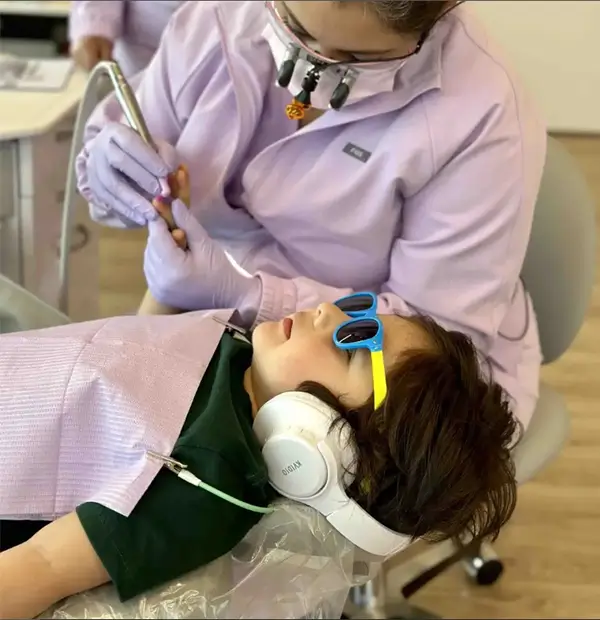
Lansdowne Pediatric Dentistry offers advanced LightScalpel tongue tie release for children. This modern approach improves comfort, precision, and healing. Families in Lansdowne, VA trust this treatment for safe and effective care.
Tongue tie, also known as ankyloglossia, restricts tongue movement. This condition can affect feeding, speech, and oral development. Early treatment supports better function and long-term health.
LightScalpel laser technology transforms how dentists treat tongue tie. It allows precise tissue release with minimal discomfort. As a result, children experience faster healing and improved outcomes.
Tongue tie occurs when the tissue under the tongue feels tight. This restriction limits movement and affects daily activities. Infants may struggle with feeding, while older children may face speech challenges.
Parents often notice signs such as difficulty latching or limited tongue mobility. These issues can impact both nutrition and development. Addressing them early helps prevent complications.
Additionally, tongue tie may affect oral hygiene. Limited movement makes it harder to clean certain areas. This increases the risk of dental issues over time.
LightScalpel technology offers a precise and gentle solution. The laser targets only the restricted tissue. This protects surrounding areas and improves healing.
The laser also seals blood vessels during the procedure. This reduces bleeding and keeps the area clean. It creates a controlled environment for better results.
Moreover, the procedure feels less invasive. Children experience less anxiety due to the absence of traditional tools. This creates a more comfortable dental visit.
Lansdowne Pediatric Dentistry focuses on child-centered care. The team understands how to work with infants and children effectively. They create a calm and supportive environment.
Each child receives personalized attention. The dentist evaluates every case carefully before recommending treatment. This ensures the best outcome for each patient.
Additionally, the practice combines advanced technology with compassionate care. This approach builds trust and confidence in both children and parents.
LightScalpel tongue tie release enhances many aspects of a child’s life. Infants often show improved feeding immediately after treatment. They can latch more effectively and feed comfortably.
Older children benefit from clearer speech. Improved tongue movement supports proper pronunciation. This boosts confidence in communication.
Furthermore, the procedure supports oral hygiene. Children can clean their teeth and gums more effectively. This leads to healthier smiles over time.
LightScalpel treatment offers efficiency and comfort. The procedure usually takes only a short time. Children remain calm and cooperative throughout the process.
Because of the laser’s precision, recovery happens quickly. Most children resume normal activities soon after treatment. This minimizes disruption to daily routines.
Parents appreciate the simplicity of the procedure. It provides effective results without the challenges of traditional methods.
One of the most important benefits involves improved feeding. Infants with tongue tie often struggle with breastfeeding. They may have difficulty maintaining a proper latch.
LightScalpel tongue tie release allows better tongue movement. This improves feeding efficiency and comfort. Mothers also experience less discomfort during feeding sessions.
Additionally, infants receive proper nutrition more easily. This supports healthy growth and development. Parents often notice immediate improvement after treatment.
Speech depends on proper tongue movement. Tongue tie can limit the ability to form certain sounds. This may affect communication skills.
LightScalpel laser treatment improves tongue mobility. Children can move their tongue freely and naturally. This supports clearer speech and better pronunciation.
Moreover, early treatment reduces the need for speech therapy. Children develop confidence in their communication abilities.
LightScalpel technology promotes faster healing. The laser minimizes trauma to surrounding tissue. This allows the body to recover quickly.
Children experience less swelling and discomfort after treatment. Most return to normal activities within a short time. This makes the process easier for families.
Additionally, the laser seals blood vessels during the procedure. This reduces bleeding and supports a clean healing environment.
Comfort remains a key advantage of LightScalpel treatment. The procedure avoids many traditional tools. This creates a less intimidating experience for children.
Children often feel minimal discomfort during the process. The laser works gently and efficiently. This reduces anxiety and improves cooperation.
Parents also notice a calmer experience overall. The quiet nature of the laser contributes to a relaxed environment.
LightScalpel treatment helps reduce infection risk. The laser sterilizes the area as it works. This keeps the treatment site clean and protected.
Additionally, fewer sutures are needed. This reduces potential complications during recovery. Parents feel more confident about their child’s healing process.
Maintaining a sterile environment supports better outcomes. It ensures that the treated area heals properly.
Precision plays an important role in tongue tie release. LightScalpel technology allows accurate targeting of the restricted tissue.
This precision protects surrounding areas from unnecessary damage. It ensures a controlled and effective procedure.
Furthermore, the dentist can adjust the laser settings as needed. This allows for personalized treatment based on each child’s condition.
Many LightScalpel procedures require little or no anesthesia. This makes the experience easier for children. It also reduces overall treatment time.
Children avoid the discomfort of injections. They also do not experience prolonged numbness afterward. This creates a smoother recovery period.
Parents appreciate the simplicity and convenience of this approach. It reduces stress for both child and parent.
Tongue tie affects several aspects of oral function. LightScalpel release improves movement and flexibility. This supports better chewing, swallowing, and speaking.
Children feel more comfortable performing daily activities. They experience less frustration and discomfort.
Additionally, improved function supports overall oral health. It allows better cleaning and maintenance of the mouth.
Early treatment provides long-term benefits. It supports proper oral and facial development. Children grow with improved function and comfort.
Addressing tongue tie early prevents future complications. It reduces the need for additional treatments later.
Moreover, children develop confidence in their abilities. They feel more comfortable eating, speaking, and interacting with others.
LightScalpel tongue tie release creates a positive experience. The procedure remains quick, gentle, and effective. Children feel more at ease during treatment.
Parents appreciate the advanced technology and compassionate care. They see immediate improvements in their child’s comfort and function.
This positive experience encourages regular dental visits. It supports long-term oral health and well-being.
The process begins with a detailed evaluation. The dentist examines the child’s tongue movement and oral condition. This helps determine the need for treatment.
Parents can discuss concerns during this visit. The dentist explains the procedure in simple terms. This ensures that both parent and child feel informed.
Additionally, the dentist creates a personalized treatment plan. This plan addresses the child’s specific needs and goals.
Preparation involves creating a calm and comfortable environment. The dental team ensures that the child feels relaxed before treatment.
In many cases, minimal anesthesia is used. This helps maintain comfort during the procedure. Protective measures are also taken to ensure safety.
Parents receive clear instructions before the procedure. These instructions help prepare both the child and family.
The dentist uses a specialized LightScalpel laser device. This device delivers a focused beam of light to the restricted tissue.
The laser gently releases the tight tissue under the tongue. It works quickly and precisely. Surrounding areas remain unaffected.
Additionally, the laser seals blood vessels during the process. This reduces bleeding and keeps the area clean.
The procedure typically takes only a few minutes. Children remain comfortable throughout the process.
Children usually feel minimal discomfort during the procedure. The laser produces little noise or vibration. This creates a calm experience.
Some children may feel a slight warming sensation. However, this remains brief and manageable.
Because of this gentle approach, children often cooperate well. They feel more relaxed compared to traditional methods.
Parents often notice immediate improvement after treatment. Infants may feed more effectively right away. Older children may experience better tongue movement.
The treated area remains clean and controlled. There is usually little to no bleeding. This supports quick recovery.
Children can often return to normal activities shortly after the procedure. This makes the process convenient for families.
The dental team provides instructions after the procedure. These guidelines help ensure proper healing and optimal results.
Parents receive advice on feeding, oral care, and follow-up visits. Following these instructions supports a smooth recovery.
Additionally, the dentist may recommend simple exercises. These exercises help improve tongue mobility and function.
Follow-up visits allow the dentist to monitor progress. These visits ensure that healing occurs as expected.
The dentist evaluates tongue movement and overall function. Any concerns can be addressed promptly.
Parents also receive ongoing support during this process. This helps maintain confidence and peace of mind.
LightScalpel tongue tie release offers a comfortable and efficient experience. The procedure focuses on minimizing discomfort while delivering effective results.
Children benefit from a calm and supportive environment. They feel more confident during and after treatment.
Parents appreciate the simplicity and effectiveness of the process. It provides a reliable solution for improving their child’s oral health.
Parents often notice subtle changes before identifying a tongue tie concern. Recognizing these early signs helps ensure timely care. LightScalpel tongue tie release in Lansdowne, VA provides a precise and gentle solution when symptoms appear.
Children may not always describe discomfort clearly. Therefore, parents should observe feeding patterns, speech development, and oral habits closely. Early awareness allows for quicker treatment and better outcomes.
Moreover, untreated tongue tie can affect daily activities and long-term development. Addressing the issue early supports comfort, confidence, and proper oral function.
Breastfeeding challenges often serve as the first sign of tongue tie. Infants may struggle to latch properly during feeding. This can create frustration for both the baby and parent.
Mothers may feel discomfort or pain during feeding sessions. The infant may also produce clicking sounds while feeding. These signs indicate ineffective latch and limited tongue mobility.
Additionally, infants may feed for long periods without satisfaction. They may appear hungry even after feeding. This can affect nutrition and overall growth.
LightScalpel tongue tie release improves tongue movement quickly. Infants often show immediate improvement in feeding. This supports proper nutrition and development.
Restricted tongue movement is one of the most noticeable signs. Children may struggle to lift or extend their tongue fully. This limitation affects several oral functions.
Parents may notice that the tongue cannot reach the roof of the mouth. The child may also have difficulty sticking out their tongue. These signs indicate tight tissue under the tongue.
Furthermore, limited mobility can impact chewing and swallowing. Children may find it difficult to manage certain foods. This can lead to frustration during meals.
LightScalpel treatment gently releases the restriction. It allows the tongue to move freely and naturally.
Speech development depends heavily on proper tongue movement. Tongue tie can interfere with forming certain sounds. Children may struggle with pronunciation or clarity.
Parents may notice delayed speech milestones. Teachers or caregivers may also observe communication challenges. These issues can affect social interactions.
Additionally, children may feel self-conscious when speaking. This can reduce their confidence over time.
LightScalpel tongue tie release improves articulation. It allows better tongue positioning during speech. Over time, children often experience clearer communication.
Clicking sounds during feeding often indicate poor tongue function. This occurs when the tongue cannot maintain proper suction. It may happen during breastfeeding or bottle feeding.
Children may also swallow excess air while eating. This can lead to discomfort or gas. These signs suggest inefficient feeding patterns.
Moreover, feeding sessions may feel inconsistent or difficult. This can create stress for both child and parent.
LightScalpel treatment improves coordination during feeding. It helps children maintain proper suction and rhythm.
Inadequate weight gain may result from feeding difficulties. Infants with tongue tie may not receive enough nutrition. This can affect their growth and development.
Parents may notice that the baby feeds frequently but gains little weight. This can become a concern over time.
Additionally, feeding may tire the infant quickly. They may struggle to complete full feeding sessions.
LightScalpel tongue tie release improves feeding efficiency. This supports proper nutrition and healthy weight gain.
Older children with tongue tie may struggle with chewing and swallowing. They may have difficulty moving food within the mouth.
Parents may notice that the child avoids certain textures or foods. They may prefer softer foods due to discomfort.
Additionally, children may take longer to finish meals. This can affect their overall eating habits and nutrition.
LightScalpel treatment improves tongue mobility. This allows better control during chewing and swallowing. Children often feel more comfortable during meals.
Mouth breathing can indicate underlying oral issues. Tongue tie may prevent proper tongue positioning. This can lead to breathing through the mouth instead of the nose.
Parents may notice that the child sleeps with an open mouth. They may also experience dry mouth or discomfort.
Additionally, improper tongue posture can affect jaw development. This may lead to future dental concerns.
LightScalpel tongue tie release supports proper tongue placement. This encourages healthier breathing patterns and oral development.
Tongue movement helps maintain oral hygiene. Limited mobility can make it harder to clean certain areas.
Children may struggle to remove food particles effectively. This increases the risk of plaque buildup and dental issues.
Parents may notice frequent cavities or gum irritation. These problems may persist despite regular brushing.
LightScalpel treatment improves tongue function. This allows better cleaning and supports overall oral health.
Children with tongue tie may feel tired when speaking. They may need extra effort to pronounce certain words.
This can lead to frustration during conversations. Children may avoid speaking in certain situations.
Additionally, speech fatigue may affect learning and communication. Teachers may notice these challenges in school.
LightScalpel tongue tie release reduces strain during speech. It allows smoother and more natural communication.
Drooling is normal in infants but should decrease with age. Persistent drooling in older children may signal tongue restriction.
Tongue tie can limit the ability to control saliva effectively. This leads to frequent drooling.
Parents may notice wet clothing or constant wiping of the mouth. This can cause discomfort and embarrassment.
LightScalpel treatment improves tongue control. This helps manage saliva more effectively.
Children with tongue tie often struggle to extend their tongue. The tongue may appear short or heart-shaped when extended.
This limitation indicates tight tissue underneath the tongue. It affects both function and appearance.
Additionally, this restriction may impact speech and eating habits. Children may feel discomfort during certain movements.
LightScalpel release corrects this issue. It allows the tongue to extend fully and move freely.
Oral motor skills involve coordinated movements of the tongue and mouth. Tongue tie can interfere with these functions.
Children may struggle with activities like licking, blowing, or moving food. These challenges affect daily routines.
Additionally, poor oral motor skills can impact speech development. They may also affect feeding habits.
LightScalpel tongue tie release improves coordination. It supports better control and function of the tongue.
An exaggerated gag reflex may relate to tongue restriction. Children may feel discomfort when objects touch certain areas of the mouth.
This can make brushing or dental visits more difficult. It may also affect eating habits.
Parents may notice that the child avoids certain foods or textures. This can impact nutrition and comfort.
LightScalpel treatment can help reduce this sensitivity. Improved tongue mobility allows better control and comfort.
Some children may experience discomfort in the jaw or facial muscles. This can result from compensating for limited tongue movement.
They may use other muscles excessively while speaking or eating. This can lead to tension and fatigue.
Parents may notice complaints of discomfort during daily activities. These signs should not be ignored.
LightScalpel tongue tie release reduces strain on surrounding muscles. It improves overall comfort and function.
Simple actions like licking lips may become difficult with tongue tie. Children may struggle to reach certain areas with their tongue.
This limitation affects daily activities and oral hygiene. It may also indicate restricted movement.
Parents may notice that the child avoids certain movements. This can signal discomfort or difficulty.
LightScalpel treatment restores natural tongue movement. This allows children to perform these actions easily.
Recognizing these signs early ensures timely treatment. Early intervention prevents complications and supports proper development.
LightScalpel tongue tie release offers a gentle and effective solution. It addresses the root cause with precision.
Parents who stay informed can make confident decisions. They can support their child’s comfort and long-term health.
Ultimately, early care leads to better results. Children experience improved feeding, clearer speech, and enhanced overall well-being.
Maintaining results after LightScalpel tongue tie release requires consistency, awareness, and proper care. This advanced procedure improves tongue mobility quickly. However, long-term success depends on daily habits and follow-up routines.
Parents play a central role in preserving these results. With the right approach, children can maintain improved function and comfort. Establishing strong routines early ensures lasting benefits.
Additionally, proper care prevents reattachment of tissue. It also supports natural healing and healthy oral development. A proactive mindset leads to better outcomes over time.
The dental team provides detailed instructions after the procedure. These instructions guide parents through the healing process. Following them consistently ensures optimal results.
Each child may receive personalized care recommendations. These may include oral exercises, feeding guidance, and hygiene practices. Adhering to these instructions supports proper recovery.
Moreover, skipping or delaying these steps may affect healing. Consistency remains essential for maintaining improved tongue mobility.
Parents should also ask questions when needed. Understanding every step helps provide effective care at home.
Oral exercises are one of the most important parts of post-treatment care. These exercises prevent the tissue from healing too tightly. They also reinforce the improved range of motion.
Parents should perform these exercises exactly as instructed. Regular practice ensures that the tongue maintains its flexibility.
Additionally, these movements help the child adapt to new tongue mobility. The tongue learns to move freely and naturally.
Over time, these exercises become easier for the child. Consistent effort leads to stronger coordination and better function.
Oral hygiene plays a key role in healing and maintenance. A clean mouth supports healthy tissue and reduces the risk of infection.
Children should brush their teeth gently twice daily. Using a soft-bristled toothbrush helps protect sensitive areas.
Additionally, flossing removes debris from areas brushing cannot reach. This prevents buildup that may interfere with healing.
Parents should supervise younger children during oral care. Proper technique ensures effective cleaning and protection.
Maintaining hygiene also supports long-term oral health. It reduces the risk of future dental concerns.
Daily tongue movement helps maintain flexibility and strength. Children should use their tongue regularly during normal activities.
Simple movements like lifting the tongue or extending it outward help reinforce results. These actions support proper muscle development.
Additionally, incorporating these movements into daily routines makes them easier to remember. Children can practice during play or mealtime.
Consistent use of the tongue prevents stiffness. It also supports long-term improvement in speech and eating.
Parents should observe their child’s healing process carefully. Monitoring progress helps ensure that recovery continues as expected.
The treated area should improve gradually over time. Mild sensitivity may occur at first but should decrease.
Additionally, parents should watch for any unusual changes. Signs like prolonged discomfort or swelling require attention.
If concerns arise, contacting the dental team is important. Early intervention prevents complications and protects results.
Feeding and eating habits improve after tongue tie release. However, children may need time to adjust to new movements.
Parents should encourage comfortable and relaxed mealtimes. Offering a variety of textures helps children adapt gradually.
Additionally, observing eating patterns helps identify any challenges early. Addressing concerns quickly ensures continued progress.
Proper nutrition supports healing and development. It also reinforces the benefits of improved tongue mobility.
A healthy diet plays a vital role in maintaining results. Nutritious foods support tissue healing and overall oral health.
Children should consume foods rich in vitamins and minerals. These nutrients strengthen gums and support recovery.
During the early healing phase, softer foods may feel more comfortable. These foods reduce strain on the treated area.
Additionally, limiting sugary snacks helps prevent bacterial growth. This supports long-term oral health.
Drinking water regularly also helps. It keeps the mouth clean and promotes natural healing.
Certain habits can interfere with healing and long-term results. Parents should discourage behaviors that may irritate the treated area.
Children should avoid chewing on hard objects such as toys or pencils. These habits can cause discomfort and slow recovery.
Additionally, aggressive oral movements should be avoided initially. Gentle care supports proper healing and stability.
Encouraging positive habits helps maintain results. It also protects the child’s oral health over time.
Follow-up visits are essential after LightScalpel tongue tie release. These appointments allow the dentist to monitor progress.
During these visits, the dentist evaluates tongue movement and healing. They ensure that results remain stable.
Additionally, any concerns can be addressed early. This prevents minor issues from becoming more serious.
Regular visits also provide reassurance for parents. They confirm that the child’s development stays on track.
Improved tongue mobility supports better speech. However, children may need guidance to adapt fully.
Parents can encourage clear communication through simple exercises. Reading aloud or practicing sounds helps improve articulation.
Additionally, some children may benefit from speech therapy. This further strengthens coordination and clarity.
Supporting speech development ensures lasting results. It also builds confidence in communication skills.
Proper tongue posture plays an important role in maintaining results. The tongue should rest naturally against the roof of the mouth.
Parents can gently remind children to maintain this position. This supports proper oral development and breathing patterns.
Additionally, correct posture reduces strain on surrounding muscles. It helps maintain long-term function and comfort.
Over time, this posture becomes a natural habit. It contributes to lasting oral health benefits.
Nasal breathing supports overall oral health. Tongue tie can affect breathing patterns before treatment. After release, proper breathing habits should be encouraged.
Parents should observe how their child breathes during rest and sleep. Encouraging nasal breathing helps support healthy development.
Additionally, proper breathing improves oxygen flow and comfort. It also supports balanced facial growth.
Maintaining this habit helps preserve the benefits of the procedure.
Consistency remains the most important factor in maintaining results. Daily routines reinforce the benefits of treatment.
Children should follow a structured schedule for oral care and exercises. This ensures that habits become part of daily life.
Parents should guide and supervise these routines. This ensures proper technique and consistency.
Over time, these habits lead to lasting success. They support both oral health and overall well-being.
Parents should not ignore any concerns during recovery. Addressing issues early prevents complications and protects results.
If the child experiences discomfort or difficulty, consulting the dentist is important. Professional guidance ensures proper care.
Additionally, maintaining open communication with the dental team provides reassurance. Parents feel more confident when they stay informed.
Prompt attention to concerns supports long-term success. It ensures that healing remains on track.
Maintaining results also involves overall oral health habits. Children should develop routines that support long-term dental care.
Parents should emphasize brushing, flossing, and regular checkups. These habits protect both teeth and soft tissues.
Additionally, educating children about oral health helps them understand its importance. This encourages responsibility and consistency.
Strong habits support lasting results. They also contribute to healthier smiles.
Confidence helps children take ownership of their oral health. Parents can build this confidence through encouragement.
Teaching proper techniques allows children to feel capable. They learn to care for their teeth and tongue effectively.
Additionally, celebrating progress motivates children. They feel proud of their efforts and improvements.
Confidence leads to better habits. It supports long-term success and independence.
A supportive environment helps children adapt after treatment. Parents should provide encouragement and reassurance throughout the process.
Celebrating small milestones helps build confidence. It motivates children to continue their routines.
Additionally, maintaining open communication helps address concerns. Children feel more comfortable sharing their experiences.
A positive environment supports emotional well-being. It also reinforces the benefits of treatment.
Maintaining results after LightScalpel tongue tie release requires dedication. However, the benefits make the effort worthwhile.
Children experience improved comfort, better speech, and easier feeding. Parents who stay proactive see the best outcomes.
LightScalpel technology provides a strong foundation for oral health. With proper care, these results can last for years.
Ultimately, consistent effort ensures lasting success. Children enjoy healthier smiles and improved quality of life.
Preparing your child for LightScalpel tongue tie release plays a key role in creating a smooth experience. Children feel more relaxed when they understand what will happen. Parents should explain the procedure in simple and reassuring language.
It helps to describe the visit as gentle and quick. Avoid using words that may create fear. Instead, focus on how the dentist will help improve comfort and movement.
Additionally, maintaining a calm attitude is important. Children often mirror their parent’s emotions. When parents remain relaxed, children feel more secure.
Encouraging your child to ask questions also helps. This builds trust and reduces anxiety before the appointment.
Selecting the right provider makes a significant difference. Pediatric dental specialists understand how to care for children effectively. They use techniques that focus on comfort and cooperation.
Lansdowne Pediatric Dentistry offers advanced LightScalpel technology. The team combines expertise with a child-friendly approach. This ensures a safe and positive experience.
Moreover, experienced providers tailor each procedure to the child’s needs. They adjust their approach based on age and comfort level. This personalized care improves results.
Parents should feel confident in the dental team. Trust helps reduce stress and supports a smoother process.
Timing can affect how your child responds to treatment. Scheduling the appointment when your child feels rested helps improve cooperation.
Morning appointments often work best for younger children. They tend to feel calmer and more alert earlier in the day.
Additionally, avoid scheduling during nap times or meal times. Hunger or fatigue can increase irritability. Choosing the right time supports a better experience.
Parents should also allow enough time before and after the appointment. This prevents rushing and keeps the day relaxed.
The dental team may provide instructions before the procedure. Following these guidelines ensures a successful visit.
These instructions may include feeding recommendations or oral care steps. Parents should review them carefully and prepare in advance.
Additionally, explaining these steps to your child helps them feel prepared. This reduces uncertainty and builds confidence.
Preparation may also include bringing comfort items. A favorite toy or blanket can help children feel secure.
A calm environment supports a positive experience. Parents should avoid discussing negative dental experiences before the appointment.
Instead, focus on encouraging and reassuring messages. Let your child know that the dentist is there to help.
Engaging in relaxing activities before the visit can also help. Reading a book or listening to music creates a peaceful mindset.
Parents should also manage their own stress. A calm parent helps create a calm child.
Understanding the procedure reduces anxiety. The dentist may explain how the LightScalpel laser works in simple terms.
Parents can reinforce this explanation at home. They can describe the treatment as gentle and precise.
Additionally, letting your child know that the procedure improves comfort helps create a positive outlook.
When children understand what to expect, they feel more confident. This leads to better cooperation during the appointment.
Comfortable clothing helps children feel relaxed during the visit. Choose outfits that allow easy movement and do not cause irritation.
Layers can be helpful since office temperatures may vary. Dressing appropriately ensures your child stays comfortable.
Additionally, avoid accessories that may interfere with the procedure. Keeping things simple helps the appointment run smoothly.
Parents can also bring a comfort item if needed. This provides extra reassurance during the visit.
Positive reinforcement helps shape your child’s experience. Praising your child for being brave encourages cooperation.
Parents can offer small rewards after the appointment. This creates a positive association with dental care.
Additionally, acknowledging your child’s effort builds confidence. It shows them that they handled the experience well.
Over time, this approach reduces fear. Children become more comfortable with dental visits.
Open communication ensures a better experience. Parents should share any concerns or relevant information before the procedure.
This may include medical history or previous dental experiences. Providing this information helps the dentist tailor the approach.
Additionally, parents should ask questions if they feel unsure. Understanding the process builds confidence.
The dental team can also offer helpful preparation tips. This collaboration supports a smoother visit.
Parents often provide comfort by staying present. Their presence helps children feel safe and secure.
Holding your child’s hand or offering reassurance can make a difference. Simple gestures help maintain calmness.
Additionally, maintaining a positive tone encourages cooperation. Avoid expressing worry in front of your child.
The dental team will guide both parent and child. Following their instructions ensures a smooth experience.
Teaching your child simple relaxation techniques can help during the procedure. Deep breathing helps reduce anxiety and promotes calmness.
Parents can practice these techniques at home before the appointment. This prepares the child to use them during the visit.
Additionally, guided breathing can be used during the procedure. It helps children stay focused and relaxed.
These techniques create a sense of control. This improves the overall experience.
Children may feel anxious if they hear negative stories about dental visits. Parents should limit exposure to such information.
Avoid discussing past negative experiences in front of your child. Instead, focus on positive messages.
Additionally, use age-appropriate explanations when discussing the procedure. This ensures clarity without causing fear.
Creating a positive mindset helps children approach the visit with confidence.
Planning for after the procedure helps maintain comfort. Children may feel slight sensitivity after treatment.
Parents should prepare a calm environment at home. Allowing time for rest supports recovery.
Additionally, having soft foods available makes eating easier. This ensures comfort during the recovery period.
Monitoring your child’s comfort level also helps. Providing reassurance supports a smooth transition.
Oral exercises often play a role after tongue tie release. These exercises help maintain the results of the procedure.
Parents should learn these exercises from the dental team. Performing them consistently supports healing and mobility.
Additionally, making the exercises part of daily routines helps children adapt. Practice can occur during playtime.
Consistency ensures better long-term outcomes. It helps the tongue develop proper movement and strength.
Good oral hygiene before treatment supports better outcomes. Clean teeth and gums create a healthier environment for the procedure.
Parents should ensure consistent brushing and flossing. This reduces bacterial buildup and supports a smoother experience.
Additionally, teaching proper techniques helps children feel prepared. They become more comfortable with oral care routines.
Maintaining hygiene also supports faster recovery. It reduces the risk of complications.
Regular dental visits help children feel familiar with the environment. This familiarity reduces anxiety over time.
Parents should schedule routine checkups before the procedure. These visits reinforce positive experiences.
Additionally, consistent care builds trust between the child and the dental team. This trust improves cooperation during treatment.
Children who feel comfortable with their dentist are more likely to maintain good oral health habits.
Every child responds differently to dental procedures. Patience and encouragement help children feel supported.
Parents should allow their child to express their feelings. Listening helps build trust and understanding.
Additionally, offering reassurance helps reduce anxiety. Positive words create a comforting environment.
A supportive approach improves the overall experience. It helps children feel more confident.
Confidence helps children handle dental experiences more easily. Parents can build confidence through positive reinforcement.
Celebrating small achievements motivates children. It helps them feel proud of their efforts.
Additionally, discussing the benefits of treatment helps children understand its importance. This creates a sense of purpose.
Confidence leads to better cooperation. It supports long-term comfort with dental care.
Keeping a normal routine on the day of the appointment helps children feel secure. Familiar activities create stability.
Parents should avoid introducing stressful situations. A calm morning supports a positive mindset.
Additionally, arriving early allows time to adjust to the environment. This reduces anxiety and prevents rushing.
A well-planned day contributes to a smoother experience. It helps children feel relaxed and prepared.
Children feel more comfortable when they understand what is happening. Encouraging curiosity allows them to ask questions.
Parents should answer questions honestly and simply. This helps children feel informed.
Additionally, the dental team can provide clear explanations. This reinforces understanding and trust.
Curiosity replaces fear with confidence. Children feel more in control of the experience.
Ending the experience on a positive note helps children feel proud. Parents can plan a small reward or enjoyable activity afterward.
This creates a strong positive association with dental care. It encourages children to view future visits positively.
Additionally, discussing the successful experience reinforces confidence. Parents can highlight how well the child handled the procedure.
Positive memories reduce future anxiety. They support a lifetime of healthy dental habits.
LightScalpel tongue tie release is an advanced laser procedure that treats restricted tongue movement with precision. It uses carbon dioxide laser technology to gently release the tight tissue under the tongue. This method replaces traditional surgical tools such as scalpels or scissors.
The main difference lies in how the treatment is performed. The laser targets only the restricted tissue. It avoids unnecessary impact on surrounding areas. As a result, the procedure feels less invasive and more controlled.
Additionally, the laser seals blood vessels during treatment. This reduces bleeding and keeps the area clean. Traditional methods may involve more bleeding and require sutures.
Another key difference involves comfort. The LightScalpel laser produces minimal vibration and noise. This helps children feel more relaxed during the procedure.
Overall, this technology offers a modern approach. It improves precision, comfort, and recovery compared to traditional techniques.
LightScalpel tongue tie release is safe for infants and children when performed by trained professionals. Pediatric dental specialists adjust the laser settings based on the child’s age and condition. This ensures a gentle and effective procedure.
The laser allows precise control during treatment. It targets only the restricted tissue without damaging surrounding areas. This reduces the risk of complications.
Additionally, the laser sterilizes the treatment site as it works. This lowers the risk of infection and supports a clean healing environment.
Parents often feel reassured by the minimally invasive nature of the procedure. It avoids many traditional surgical elements that may cause concern.
Children also benefit from shorter procedure times and quicker recovery. These factors contribute to a safer and more comfortable experience.
With proper care and expert guidance, this treatment remains a reliable option for improving oral function.
Many children show improvements immediately after LightScalpel tongue tie release. Infants often demonstrate better feeding right away. They can latch more effectively and feed with greater ease.
Older children may notice improved tongue movement shortly after treatment. This can lead to clearer speech and better control during eating.
However, full improvement may take time. Children need to adjust to their new range of motion. Consistent exercises and proper care support this process.
Additionally, follow-up visits help monitor progress. The dental team ensures that healing continues as expected.
Parents often notice gradual improvements in daily activities. Eating, speaking, and oral hygiene become easier over time.
Overall, results appear quickly, but continued care ensures lasting benefits.
Most children experience minimal discomfort during LightScalpel tongue tie release. The procedure is designed to be gentle and efficient. Many patients feel only a mild warming sensation.
Because the laser reduces trauma to surrounding tissue, discomfort remains limited. In many cases, little or no anesthesia is required. This makes the experience easier for children.
Additionally, the laser seals nerve endings during the procedure. This helps reduce pain both during and after treatment.
After the procedure, mild sensitivity may occur. However, it usually fades quickly as healing progresses. Children often return to normal activities within a short time.
Parents frequently notice that their child remains calm throughout the process. The gentle nature of the laser contributes to this positive experience.
Overall, LightScalpel treatment focuses on comfort while delivering effective results.
Choosing LightScalpel tongue tie release in Lansdowne, VA offers several important benefits. This advanced technology provides a precise and gentle solution for tongue tie concerns.
One of the main reasons families choose this option involves improved comfort. The procedure avoids many traditional tools that may cause anxiety. Children feel more relaxed in a calm and quiet environment.
Additionally, the laser delivers accurate results. It targets only the necessary tissue, which protects healthy areas. This leads to faster healing and better outcomes.
Parents also appreciate the efficiency of the procedure. Shorter appointments and quicker recovery times make the process more convenient.
Furthermore, Lansdowne Pediatric Dentistry combines advanced technology with compassionate care. The team focuses on creating a positive experience for every child.
Overall, this approach supports both immediate improvement and long-term oral health. It provides a reliable and effective solution for children in Lansdowne, VA.
Your child’s comfort, development, and confidence matter. LightScalpel tongue tie release offers a modern solution that improves feeding, speech, and overall oral function. At Lansdowne Pediatric Dentistry, we focus on delivering advanced care in a supportive and child-friendly environment.
If you have noticed signs of tongue restriction or have concerns about your child’s oral health, early action can make a meaningful difference. Addressing these issues now helps prevent long-term challenges. It also supports proper growth and development.
Our experienced team understands how to care for children with patience and compassion. We take time to explain every step of the process. This ensures that both parents and children feel comfortable and informed. From consultation to follow-up care, we remain committed to your child’s well-being.
Choosing LightScalpel technology means choosing precision, comfort, and faster healing. It allows your child to experience a gentle procedure with lasting results. Many families in Lansdowne, VA trust this advanced approach for their children’s care.
Now is the time to give your child the support they deserve. Help them enjoy improved comfort, better function, and a healthier smile. Contact Lansdowne Pediatric Dentistry today to schedule a consultation and learn how LightScalpel tongue tie release can benefit your child.
Tongue tie occurs when the tissue under the tongue feels tight. This restriction limits movement and affects daily activities. Infants may struggle with feeding, while older children may face speech challenges.
Parents often notice signs such as difficulty latching or limited tongue mobility. These issues can impact both nutrition and development. Addressing them early helps prevent complications.
Additionally, tongue tie may affect oral hygiene. Limited movement makes it harder to clean certain areas. This increases the risk of dental issues over time.
LightScalpel technology offers a precise and gentle solution. The laser targets only the restricted tissue. This protects surrounding areas and improves healing.
The laser also seals blood vessels during the procedure. This reduces bleeding and keeps the area clean. It creates a controlled environment for better results.
Moreover, the procedure feels less invasive. Children experience less anxiety due to the absence of traditional tools. This creates a more comfortable dental visit.
Lansdowne Pediatric Dentistry focuses on child-centered care. The team understands how to work with infants and children effectively. They create a calm and supportive environment.
Each child receives personalized attention. The dentist evaluates every case carefully before recommending treatment. This ensures the best outcome for each patient.
Additionally, the practice combines advanced technology with compassionate care. This approach builds trust and confidence in both children and parents.
LightScalpel tongue tie release enhances many aspects of a child’s life. Infants often show improved feeding immediately after treatment. They can latch more effectively and feed comfortably.
Older children benefit from clearer speech. Improved tongue movement supports proper pronunciation. This boosts confidence in communication.
Furthermore, the procedure supports oral hygiene. Children can clean their teeth and gums more effectively. This leads to healthier smiles over time.
LightScalpel treatment offers efficiency and comfort. The procedure usually takes only a short time. Children remain calm and cooperative throughout the process.
Because of the laser’s precision, recovery happens quickly. Most children resume normal activities soon after treatment. This minimizes disruption to daily routines.
Parents appreciate the simplicity of the procedure. It provides effective results without the challenges of traditional methods.
One of the most important benefits involves improved feeding. Infants with tongue tie often struggle with breastfeeding. They may have difficulty maintaining a proper latch.
LightScalpel tongue tie release allows better tongue movement. This improves feeding efficiency and comfort. Mothers also experience less discomfort during feeding sessions.
Additionally, infants receive proper nutrition more easily. This supports healthy growth and development. Parents often notice immediate improvement after treatment.
Speech depends on proper tongue movement. Tongue tie can limit the ability to form certain sounds. This may affect communication skills.
LightScalpel laser treatment improves tongue mobility. Children can move their tongue freely and naturally. This supports clearer speech and better pronunciation.
Moreover, early treatment reduces the need for speech therapy. Children develop confidence in their communication abilities.
LightScalpel technology promotes faster healing. The laser minimizes trauma to surrounding tissue. This allows the body to recover quickly.
Children experience less swelling and discomfort after treatment. Most return to normal activities within a short time. This makes the process easier for families.
Additionally, the laser seals blood vessels during the procedure. This reduces bleeding and supports a clean healing environment.
Comfort remains a key advantage of LightScalpel treatment. The procedure avoids many traditional tools. This creates a less intimidating experience for children.
Children often feel minimal discomfort during the process. The laser works gently and efficiently. This reduces anxiety and improves cooperation.
Parents also notice a calmer experience overall. The quiet nature of the laser contributes to a relaxed environment.
LightScalpel treatment helps reduce infection risk. The laser sterilizes the area as it works. This keeps the treatment site clean and protected.
Additionally, fewer sutures are needed. This reduces potential complications during recovery. Parents feel more confident about their child’s healing process.
Maintaining a sterile environment supports better outcomes. It ensures that the treated area heals properly.
Precision plays an important role in tongue tie release. LightScalpel technology allows accurate targeting of the restricted tissue.
This precision protects surrounding areas from unnecessary damage. It ensures a controlled and effective procedure.
Furthermore, the dentist can adjust the laser settings as needed. This allows for personalized treatment based on each child’s condition.
Many LightScalpel procedures require little or no anesthesia. This makes the experience easier for children. It also reduces overall treatment time.
Children avoid the discomfort of injections. They also do not experience prolonged numbness afterward. This creates a smoother recovery period.
Parents appreciate the simplicity and convenience of this approach. It reduces stress for both child and parent.
Tongue tie affects several aspects of oral function. LightScalpel release improves movement and flexibility. This supports better chewing, swallowing, and speaking.
Children feel more comfortable performing daily activities. They experience less frustration and discomfort.
Additionally, improved function supports overall oral health. It allows better cleaning and maintenance of the mouth.
Early treatment provides long-term benefits. It supports proper oral and facial development. Children grow with improved function and comfort.
Addressing tongue tie early prevents future complications. It reduces the need for additional treatments later.
Moreover, children develop confidence in their abilities. They feel more comfortable eating, speaking, and interacting with others.
LightScalpel tongue tie release creates a positive experience. The procedure remains quick, gentle, and effective. Children feel more at ease during treatment.
Parents appreciate the advanced technology and compassionate care. They see immediate improvements in their child’s comfort and function.
This positive experience encourages regular dental visits. It supports long-term oral health and well-being.
The process begins with a detailed evaluation. The dentist examines the child’s tongue movement and oral condition. This helps determine the need for treatment.
Parents can discuss concerns during this visit. The dentist explains the procedure in simple terms. This ensures that both parent and child feel informed.
Additionally, the dentist creates a personalized treatment plan. This plan addresses the child’s specific needs and goals.
Preparation involves creating a calm and comfortable environment. The dental team ensures that the child feels relaxed before treatment.
In many cases, minimal anesthesia is used. This helps maintain comfort during the procedure. Protective measures are also taken to ensure safety.
Parents receive clear instructions before the procedure. These instructions help prepare both the child and family.
The dentist uses a specialized LightScalpel laser device. This device delivers a focused beam of light to the restricted tissue.
The laser gently releases the tight tissue under the tongue. It works quickly and precisely. Surrounding areas remain unaffected.
Additionally, the laser seals blood vessels during the process. This reduces bleeding and keeps the area clean.
The procedure typically takes only a few minutes. Children remain comfortable throughout the process.
Children usually feel minimal discomfort during the procedure. The laser produces little noise or vibration. This creates a calm experience.
Some children may feel a slight warming sensation. However, this remains brief and manageable.
Because of this gentle approach, children often cooperate well. They feel more relaxed compared to traditional methods.
Parents often notice immediate improvement after treatment. Infants may feed more effectively right away. Older children may experience better tongue movement.
The treated area remains clean and controlled. There is usually little to no bleeding. This supports quick recovery.
Children can often return to normal activities shortly after the procedure. This makes the process convenient for families.
The dental team provides instructions after the procedure. These guidelines help ensure proper healing and optimal results.
Parents receive advice on feeding, oral care, and follow-up visits. Following these instructions supports a smooth recovery.
Additionally, the dentist may recommend simple exercises. These exercises help improve tongue mobility and function.
Follow-up visits allow the dentist to monitor progress. These visits ensure that healing occurs as expected.
The dentist evaluates tongue movement and overall function. Any concerns can be addressed promptly.
Parents also receive ongoing support during this process. This helps maintain confidence and peace of mind.
LightScalpel tongue tie release offers a comfortable and efficient experience. The procedure focuses on minimizing discomfort while delivering effective results.
Children benefit from a calm and supportive environment. They feel more confident during and after treatment.
Parents appreciate the simplicity and effectiveness of the process. It provides a reliable solution for improving their child’s oral health.
Parents often notice subtle changes before identifying a tongue tie concern. Recognizing these early signs helps ensure timely care. LightScalpel tongue tie release in Lansdowne, VA provides a precise and gentle solution when symptoms appear.
Children may not always describe discomfort clearly. Therefore, parents should observe feeding patterns, speech development, and oral habits closely. Early awareness allows for quicker treatment and better outcomes.
Moreover, untreated tongue tie can affect daily activities and long-term development. Addressing the issue early supports comfort, confidence, and proper oral function.
Breastfeeding challenges often serve as the first sign of tongue tie. Infants may struggle to latch properly during feeding. This can create frustration for both the baby and parent.
Mothers may feel discomfort or pain during feeding sessions. The infant may also produce clicking sounds while feeding. These signs indicate ineffective latch and limited tongue mobility.
Additionally, infants may feed for long periods without satisfaction. They may appear hungry even after feeding. This can affect nutrition and overall growth.
LightScalpel tongue tie release improves tongue movement quickly. Infants often show immediate improvement in feeding. This supports proper nutrition and development.
Restricted tongue movement is one of the most noticeable signs. Children may struggle to lift or extend their tongue fully. This limitation affects several oral functions.
Parents may notice that the tongue cannot reach the roof of the mouth. The child may also have difficulty sticking out their tongue. These signs indicate tight tissue under the tongue.
Furthermore, limited mobility can impact chewing and swallowing. Children may find it difficult to manage certain foods. This can lead to frustration during meals.
LightScalpel treatment gently releases the restriction. It allows the tongue to move freely and naturally.
Speech development depends heavily on proper tongue movement. Tongue tie can interfere with forming certain sounds. Children may struggle with pronunciation or clarity.
Parents may notice delayed speech milestones. Teachers or caregivers may also observe communication challenges. These issues can affect social interactions.
Additionally, children may feel self-conscious when speaking. This can reduce their confidence over time.
LightScalpel tongue tie release improves articulation. It allows better tongue positioning during speech. Over time, children often experience clearer communication.
Clicking sounds during feeding often indicate poor tongue function. This occurs when the tongue cannot maintain proper suction. It may happen during breastfeeding or bottle feeding.
Children may also swallow excess air while eating. This can lead to discomfort or gas. These signs suggest inefficient feeding patterns.
Moreover, feeding sessions may feel inconsistent or difficult. This can create stress for both child and parent.
LightScalpel treatment improves coordination during feeding. It helps children maintain proper suction and rhythm.
Inadequate weight gain may result from feeding difficulties. Infants with tongue tie may not receive enough nutrition. This can affect their growth and development.
Parents may notice that the baby feeds frequently but gains little weight. This can become a concern over time.
Additionally, feeding may tire the infant quickly. They may struggle to complete full feeding sessions.
LightScalpel tongue tie release improves feeding efficiency. This supports proper nutrition and healthy weight gain.
Older children with tongue tie may struggle with chewing and swallowing. They may have difficulty moving food within the mouth.
Parents may notice that the child avoids certain textures or foods. They may prefer softer foods due to discomfort.
Additionally, children may take longer to finish meals. This can affect their overall eating habits and nutrition.
LightScalpel treatment improves tongue mobility. This allows better control during chewing and swallowing. Children often feel more comfortable during meals.
Mouth breathing can indicate underlying oral issues. Tongue tie may prevent proper tongue positioning. This can lead to breathing through the mouth instead of the nose.
Parents may notice that the child sleeps with an open mouth. They may also experience dry mouth or discomfort.
Additionally, improper tongue posture can affect jaw development. This may lead to future dental concerns.
LightScalpel tongue tie release supports proper tongue placement. This encourages healthier breathing patterns and oral development.
Tongue movement helps maintain oral hygiene. Limited mobility can make it harder to clean certain areas.
Children may struggle to remove food particles effectively. This increases the risk of plaque buildup and dental issues.
Parents may notice frequent cavities or gum irritation. These problems may persist despite regular brushing.
LightScalpel treatment improves tongue function. This allows better cleaning and supports overall oral health.
Children with tongue tie may feel tired when speaking. They may need extra effort to pronounce certain words.
This can lead to frustration during conversations. Children may avoid speaking in certain situations.
Additionally, speech fatigue may affect learning and communication. Teachers may notice these challenges in school.
LightScalpel tongue tie release reduces strain during speech. It allows smoother and more natural communication.
Drooling is normal in infants but should decrease with age. Persistent drooling in older children may signal tongue restriction.
Tongue tie can limit the ability to control saliva effectively. This leads to frequent drooling.
Parents may notice wet clothing or constant wiping of the mouth. This can cause discomfort and embarrassment.
LightScalpel treatment improves tongue control. This helps manage saliva more effectively.
Children with tongue tie often struggle to extend their tongue. The tongue may appear short or heart-shaped when extended.
This limitation indicates tight tissue underneath the tongue. It affects both function and appearance.
Additionally, this restriction may impact speech and eating habits. Children may feel discomfort during certain movements.
LightScalpel release corrects this issue. It allows the tongue to extend fully and move freely.
Oral motor skills involve coordinated movements of the tongue and mouth. Tongue tie can interfere with these functions.
Children may struggle with activities like licking, blowing, or moving food. These challenges affect daily routines.
Additionally, poor oral motor skills can impact speech development. They may also affect feeding habits.
LightScalpel tongue tie release improves coordination. It supports better control and function of the tongue.
An exaggerated gag reflex may relate to tongue restriction. Children may feel discomfort when objects touch certain areas of the mouth.
This can make brushing or dental visits more difficult. It may also affect eating habits.
Parents may notice that the child avoids certain foods or textures. This can impact nutrition and comfort.
LightScalpel treatment can help reduce this sensitivity. Improved tongue mobility allows better control and comfort.
Some children may experience discomfort in the jaw or facial muscles. This can result from compensating for limited tongue movement.
They may use other muscles excessively while speaking or eating. This can lead to tension and fatigue.
Parents may notice complaints of discomfort during daily activities. These signs should not be ignored.
LightScalpel tongue tie release reduces strain on surrounding muscles. It improves overall comfort and function.
Simple actions like licking lips may become difficult with tongue tie. Children may struggle to reach certain areas with their tongue.
This limitation affects daily activities and oral hygiene. It may also indicate restricted movement.
Parents may notice that the child avoids certain movements. This can signal discomfort or difficulty.
LightScalpel treatment restores natural tongue movement. This allows children to perform these actions easily.
Recognizing these signs early ensures timely treatment. Early intervention prevents complications and supports proper development.
LightScalpel tongue tie release offers a gentle and effective solution. It addresses the root cause with precision.
Parents who stay informed can make confident decisions. They can support their child’s comfort and long-term health.
Ultimately, early care leads to better results. Children experience improved feeding, clearer speech, and enhanced overall well-being.
Maintaining results after LightScalpel tongue tie release requires consistency, awareness, and proper care. This advanced procedure improves tongue mobility quickly. However, long-term success depends on daily habits and follow-up routines.
Parents play a central role in preserving these results. With the right approach, children can maintain improved function and comfort. Establishing strong routines early ensures lasting benefits.
Additionally, proper care prevents reattachment of tissue. It also supports natural healing and healthy oral development. A proactive mindset leads to better outcomes over time.
The dental team provides detailed instructions after the procedure. These instructions guide parents through the healing process. Following them consistently ensures optimal results.
Each child may receive personalized care recommendations. These may include oral exercises, feeding guidance, and hygiene practices. Adhering to these instructions supports proper recovery.
Moreover, skipping or delaying these steps may affect healing. Consistency remains essential for maintaining improved tongue mobility.
Parents should also ask questions when needed. Understanding every step helps provide effective care at home.
Oral exercises are one of the most important parts of post-treatment care. These exercises prevent the tissue from healing too tightly. They also reinforce the improved range of motion.
Parents should perform these exercises exactly as instructed. Regular practice ensures that the tongue maintains its flexibility.
Additionally, these movements help the child adapt to new tongue mobility. The tongue learns to move freely and naturally.
Over time, these exercises become easier for the child. Consistent effort leads to stronger coordination and better function.
Oral hygiene plays a key role in healing and maintenance. A clean mouth supports healthy tissue and reduces the risk of infection.
Children should brush their teeth gently twice daily. Using a soft-bristled toothbrush helps protect sensitive areas.
Additionally, flossing removes debris from areas brushing cannot reach. This prevents buildup that may interfere with healing.
Parents should supervise younger children during oral care. Proper technique ensures effective cleaning and protection.
Maintaining hygiene also supports long-term oral health. It reduces the risk of future dental concerns.
Daily tongue movement helps maintain flexibility and strength. Children should use their tongue regularly during normal activities.
Simple movements like lifting the tongue or extending it outward help reinforce results. These actions support proper muscle development.
Additionally, incorporating these movements into daily routines makes them easier to remember. Children can practice during play or mealtime.
Consistent use of the tongue prevents stiffness. It also supports long-term improvement in speech and eating.
Parents should observe their child’s healing process carefully. Monitoring progress helps ensure that recovery continues as expected.
The treated area should improve gradually over time. Mild sensitivity may occur at first but should decrease.
Additionally, parents should watch for any unusual changes. Signs like prolonged discomfort or swelling require attention.
If concerns arise, contacting the dental team is important. Early intervention prevents complications and protects results.
Feeding and eating habits improve after tongue tie release. However, children may need time to adjust to new movements.
Parents should encourage comfortable and relaxed mealtimes. Offering a variety of textures helps children adapt gradually.
Additionally, observing eating patterns helps identify any challenges early. Addressing concerns quickly ensures continued progress.
Proper nutrition supports healing and development. It also reinforces the benefits of improved tongue mobility.
A healthy diet plays a vital role in maintaining results. Nutritious foods support tissue healing and overall oral health.
Children should consume foods rich in vitamins and minerals. These nutrients strengthen gums and support recovery.
During the early healing phase, softer foods may feel more comfortable. These foods reduce strain on the treated area.
Additionally, limiting sugary snacks helps prevent bacterial growth. This supports long-term oral health.
Drinking water regularly also helps. It keeps the mouth clean and promotes natural healing.
Certain habits can interfere with healing and long-term results. Parents should discourage behaviors that may irritate the treated area.
Children should avoid chewing on hard objects such as toys or pencils. These habits can cause discomfort and slow recovery.
Additionally, aggressive oral movements should be avoided initially. Gentle care supports proper healing and stability.
Encouraging positive habits helps maintain results. It also protects the child’s oral health over time.
Follow-up visits are essential after LightScalpel tongue tie release. These appointments allow the dentist to monitor progress.
During these visits, the dentist evaluates tongue movement and healing. They ensure that results remain stable.
Additionally, any concerns can be addressed early. This prevents minor issues from becoming more serious.
Regular visits also provide reassurance for parents. They confirm that the child’s development stays on track.
Improved tongue mobility supports better speech. However, children may need guidance to adapt fully.
Parents can encourage clear communication through simple exercises. Reading aloud or practicing sounds helps improve articulation.
Additionally, some children may benefit from speech therapy. This further strengthens coordination and clarity.
Supporting speech development ensures lasting results. It also builds confidence in communication skills.
Proper tongue posture plays an important role in maintaining results. The tongue should rest naturally against the roof of the mouth.
Parents can gently remind children to maintain this position. This supports proper oral development and breathing patterns.
Additionally, correct posture reduces strain on surrounding muscles. It helps maintain long-term function and comfort.
Over time, this posture becomes a natural habit. It contributes to lasting oral health benefits.
Nasal breathing supports overall oral health. Tongue tie can affect breathing patterns before treatment. After release, proper breathing habits should be encouraged.
Parents should observe how their child breathes during rest and sleep. Encouraging nasal breathing helps support healthy development.
Additionally, proper breathing improves oxygen flow and comfort. It also supports balanced facial growth.
Maintaining this habit helps preserve the benefits of the procedure.
Consistency remains the most important factor in maintaining results. Daily routines reinforce the benefits of treatment.
Children should follow a structured schedule for oral care and exercises. This ensures that habits become part of daily life.
Parents should guide and supervise these routines. This ensures proper technique and consistency.
Over time, these habits lead to lasting success. They support both oral health and overall well-being.
Parents should not ignore any concerns during recovery. Addressing issues early prevents complications and protects results.
If the child experiences discomfort or difficulty, consulting the dentist is important. Professional guidance ensures proper care.
Additionally, maintaining open communication with the dental team provides reassurance. Parents feel more confident when they stay informed.
Prompt attention to concerns supports long-term success. It ensures that healing remains on track.
Maintaining results also involves overall oral health habits. Children should develop routines that support long-term dental care.
Parents should emphasize brushing, flossing, and regular checkups. These habits protect both teeth and soft tissues.
Additionally, educating children about oral health helps them understand its importance. This encourages responsibility and consistency.
Strong habits support lasting results. They also contribute to healthier smiles.
Confidence helps children take ownership of their oral health. Parents can build this confidence through encouragement.
Teaching proper techniques allows children to feel capable. They learn to care for their teeth and tongue effectively.
Additionally, celebrating progress motivates children. They feel proud of their efforts and improvements.
Confidence leads to better habits. It supports long-term success and independence.
A supportive environment helps children adapt after treatment. Parents should provide encouragement and reassurance throughout the process.
Celebrating small milestones helps build confidence. It motivates children to continue their routines.
Additionally, maintaining open communication helps address concerns. Children feel more comfortable sharing their experiences.
A positive environment supports emotional well-being. It also reinforces the benefits of treatment.
Maintaining results after LightScalpel tongue tie release requires dedication. However, the benefits make the effort worthwhile.
Children experience improved comfort, better speech, and easier feeding. Parents who stay proactive see the best outcomes.
LightScalpel technology provides a strong foundation for oral health. With proper care, these results can last for years.
Ultimately, consistent effort ensures lasting success. Children enjoy healthier smiles and improved quality of life.
Preparing your child for LightScalpel tongue tie release plays a key role in creating a smooth experience. Children feel more relaxed when they understand what will happen. Parents should explain the procedure in simple and reassuring language.
It helps to describe the visit as gentle and quick. Avoid using words that may create fear. Instead, focus on how the dentist will help improve comfort and movement.
Additionally, maintaining a calm attitude is important. Children often mirror their parent’s emotions. When parents remain relaxed, children feel more secure.
Encouraging your child to ask questions also helps. This builds trust and reduces anxiety before the appointment.
Selecting the right provider makes a significant difference. Pediatric dental specialists understand how to care for children effectively. They use techniques that focus on comfort and cooperation.
Lansdowne Pediatric Dentistry offers advanced LightScalpel technology. The team combines expertise with a child-friendly approach. This ensures a safe and positive experience.
Moreover, experienced providers tailor each procedure to the child’s needs. They adjust their approach based on age and comfort level. This personalized care improves results.
Parents should feel confident in the dental team. Trust helps reduce stress and supports a smoother process.
Timing can affect how your child responds to treatment. Scheduling the appointment when your child feels rested helps improve cooperation.
Morning appointments often work best for younger children. They tend to feel calmer and more alert earlier in the day.
Additionally, avoid scheduling during nap times or meal times. Hunger or fatigue can increase irritability. Choosing the right time supports a better experience.
Parents should also allow enough time before and after the appointment. This prevents rushing and keeps the day relaxed.
The dental team may provide instructions before the procedure. Following these guidelines ensures a successful visit.
These instructions may include feeding recommendations or oral care steps. Parents should review them carefully and prepare in advance.
Additionally, explaining these steps to your child helps them feel prepared. This reduces uncertainty and builds confidence.
Preparation may also include bringing comfort items. A favorite toy or blanket can help children feel secure.
A calm environment supports a positive experience. Parents should avoid discussing negative dental experiences before the appointment.
Instead, focus on encouraging and reassuring messages. Let your child know that the dentist is there to help.
Engaging in relaxing activities before the visit can also help. Reading a book or listening to music creates a peaceful mindset.
Parents should also manage their own stress. A calm parent helps create a calm child.
Understanding the procedure reduces anxiety. The dentist may explain how the LightScalpel laser works in simple terms.
Parents can reinforce this explanation at home. They can describe the treatment as gentle and precise.
Additionally, letting your child know that the procedure improves comfort helps create a positive outlook.
When children understand what to expect, they feel more confident. This leads to better cooperation during the appointment.
Comfortable clothing helps children feel relaxed during the visit. Choose outfits that allow easy movement and do not cause irritation.
Layers can be helpful since office temperatures may vary. Dressing appropriately ensures your child stays comfortable.
Additionally, avoid accessories that may interfere with the procedure. Keeping things simple helps the appointment run smoothly.
Parents can also bring a comfort item if needed. This provides extra reassurance during the visit.
Positive reinforcement helps shape your child’s experience. Praising your child for being brave encourages cooperation.
Parents can offer small rewards after the appointment. This creates a positive association with dental care.
Additionally, acknowledging your child’s effort builds confidence. It shows them that they handled the experience well.
Over time, this approach reduces fear. Children become more comfortable with dental visits.
Open communication ensures a better experience. Parents should share any concerns or relevant information before the procedure.
This may include medical history or previous dental experiences. Providing this information helps the dentist tailor the approach.
Additionally, parents should ask questions if they feel unsure. Understanding the process builds confidence.
The dental team can also offer helpful preparation tips. This collaboration supports a smoother visit.
Parents often provide comfort by staying present. Their presence helps children feel safe and secure.
Holding your child’s hand or offering reassurance can make a difference. Simple gestures help maintain calmness.
Additionally, maintaining a positive tone encourages cooperation. Avoid expressing worry in front of your child.
The dental team will guide both parent and child. Following their instructions ensures a smooth experience.
Teaching your child simple relaxation techniques can help during the procedure. Deep breathing helps reduce anxiety and promotes calmness.
Parents can practice these techniques at home before the appointment. This prepares the child to use them during the visit.
Additionally, guided breathing can be used during the procedure. It helps children stay focused and relaxed.
These techniques create a sense of control. This improves the overall experience.
Children may feel anxious if they hear negative stories about dental visits. Parents should limit exposure to such information.
Avoid discussing past negative experiences in front of your child. Instead, focus on positive messages.
Additionally, use age-appropriate explanations when discussing the procedure. This ensures clarity without causing fear.
Creating a positive mindset helps children approach the visit with confidence.
Planning for after the procedure helps maintain comfort. Children may feel slight sensitivity after treatment.
Parents should prepare a calm environment at home. Allowing time for rest supports recovery.
Additionally, having soft foods available makes eating easier. This ensures comfort during the recovery period.
Monitoring your child’s comfort level also helps. Providing reassurance supports a smooth transition.
Oral exercises often play a role after tongue tie release. These exercises help maintain the results of the procedure.
Parents should learn these exercises from the dental team. Performing them consistently supports healing and mobility.
Additionally, making the exercises part of daily routines helps children adapt. Practice can occur during playtime.
Consistency ensures better long-term outcomes. It helps the tongue develop proper movement and strength.
Good oral hygiene before treatment supports better outcomes. Clean teeth and gums create a healthier environment for the procedure.
Parents should ensure consistent brushing and flossing. This reduces bacterial buildup and supports a smoother experience.
Additionally, teaching proper techniques helps children feel prepared. They become more comfortable with oral care routines.
Maintaining hygiene also supports faster recovery. It reduces the risk of complications.
Regular dental visits help children feel familiar with the environment. This familiarity reduces anxiety over time.
Parents should schedule routine checkups before the procedure. These visits reinforce positive experiences.
Additionally, consistent care builds trust between the child and the dental team. This trust improves cooperation during treatment.
Children who feel comfortable with their dentist are more likely to maintain good oral health habits.
Every child responds differently to dental procedures. Patience and encouragement help children feel supported.
Parents should allow their child to express their feelings. Listening helps build trust and understanding.
Additionally, offering reassurance helps reduce anxiety. Positive words create a comforting environment.
A supportive approach improves the overall experience. It helps children feel more confident.
Confidence helps children handle dental experiences more easily. Parents can build confidence through positive reinforcement.
Celebrating small achievements motivates children. It helps them feel proud of their efforts.
Additionally, discussing the benefits of treatment helps children understand its importance. This creates a sense of purpose.
Confidence leads to better cooperation. It supports long-term comfort with dental care.
Keeping a normal routine on the day of the appointment helps children feel secure. Familiar activities create stability.
Parents should avoid introducing stressful situations. A calm morning supports a positive mindset.
Additionally, arriving early allows time to adjust to the environment. This reduces anxiety and prevents rushing.
A well-planned day contributes to a smoother experience. It helps children feel relaxed and prepared.
Children feel more comfortable when they understand what is happening. Encouraging curiosity allows them to ask questions.
Parents should answer questions honestly and simply. This helps children feel informed.
Additionally, the dental team can provide clear explanations. This reinforces understanding and trust.
Curiosity replaces fear with confidence. Children feel more in control of the experience.
Ending the experience on a positive note helps children feel proud. Parents can plan a small reward or enjoyable activity afterward.
This creates a strong positive association with dental care. It encourages children to view future visits positively.
Additionally, discussing the successful experience reinforces confidence. Parents can highlight how well the child handled the procedure.
Positive memories reduce future anxiety. They support a lifetime of healthy dental habits.
LightScalpel tongue tie release is an advanced laser procedure that treats restricted tongue movement with precision. It uses carbon dioxide laser technology to gently release the tight tissue under the tongue. This method replaces traditional surgical tools such as scalpels or scissors.
The main difference lies in how the treatment is performed. The laser targets only the restricted tissue. It avoids unnecessary impact on surrounding areas. As a result, the procedure feels less invasive and more controlled.
Additionally, the laser seals blood vessels during treatment. This reduces bleeding and keeps the area clean. Traditional methods may involve more bleeding and require sutures.
Another key difference involves comfort. The LightScalpel laser produces minimal vibration and noise. This helps children feel more relaxed during the procedure.
Overall, this technology offers a modern approach. It improves precision, comfort, and recovery compared to traditional techniques.
LightScalpel tongue tie release is safe for infants and children when performed by trained professionals. Pediatric dental specialists adjust the laser settings based on the child’s age and condition. This ensures a gentle and effective procedure.
The laser allows precise control during treatment. It targets only the restricted tissue without damaging surrounding areas. This reduces the risk of complications.
Additionally, the laser sterilizes the treatment site as it works. This lowers the risk of infection and supports a clean healing environment.
Parents often feel reassured by the minimally invasive nature of the procedure. It avoids many traditional surgical elements that may cause concern.
Children also benefit from shorter procedure times and quicker recovery. These factors contribute to a safer and more comfortable experience.
With proper care and expert guidance, this treatment remains a reliable option for improving oral function.
Many children show improvements immediately after LightScalpel tongue tie release. Infants often demonstrate better feeding right away. They can latch more effectively and feed with greater ease.
Older children may notice improved tongue movement shortly after treatment. This can lead to clearer speech and better control during eating.
However, full improvement may take time. Children need to adjust to their new range of motion. Consistent exercises and proper care support this process.
Additionally, follow-up visits help monitor progress. The dental team ensures that healing continues as expected.
Parents often notice gradual improvements in daily activities. Eating, speaking, and oral hygiene become easier over time.
Overall, results appear quickly, but continued care ensures lasting benefits.
Most children experience minimal discomfort during LightScalpel tongue tie release. The procedure is designed to be gentle and efficient. Many patients feel only a mild warming sensation.
Because the laser reduces trauma to surrounding tissue, discomfort remains limited. In many cases, little or no anesthesia is required. This makes the experience easier for children.
Additionally, the laser seals nerve endings during the procedure. This helps reduce pain both during and after treatment.
After the procedure, mild sensitivity may occur. However, it usually fades quickly as healing progresses. Children often return to normal activities within a short time.
Parents frequently notice that their child remains calm throughout the process. The gentle nature of the laser contributes to this positive experience.
Overall, LightScalpel treatment focuses on comfort while delivering effective results.
Choosing LightScalpel tongue tie release in Lansdowne, VA offers several important benefits. This advanced technology provides a precise and gentle solution for tongue tie concerns.
One of the main reasons families choose this option involves improved comfort. The procedure avoids many traditional tools that may cause anxiety. Children feel more relaxed in a calm and quiet environment.
Additionally, the laser delivers accurate results. It targets only the necessary tissue, which protects healthy areas. This leads to faster healing and better outcomes.
Parents also appreciate the efficiency of the procedure. Shorter appointments and quicker recovery times make the process more convenient.
Furthermore, Lansdowne Pediatric Dentistry combines advanced technology with compassionate care. The team focuses on creating a positive experience for every child.
Overall, this approach supports both immediate improvement and long-term oral health. It provides a reliable and effective solution for children in Lansdowne, VA.
Your child’s comfort, development, and confidence matter. LightScalpel tongue tie release offers a modern solution that improves feeding, speech, and overall oral function. At Lansdowne Pediatric Dentistry, we focus on delivering advanced care in a supportive and child-friendly environment.
If you have noticed signs of tongue restriction or have concerns about your child’s oral health, early action can make a meaningful difference. Addressing these issues now helps prevent long-term challenges. It also supports proper growth and development.
Our experienced team understands how to care for children with patience and compassion. We take time to explain every step of the process. This ensures that both parents and children feel comfortable and informed. From consultation to follow-up care, we remain committed to your child’s well-being.
Choosing LightScalpel technology means choosing precision, comfort, and faster healing. It allows your child to experience a gentle procedure with lasting results. Many families in Lansdowne, VA trust this advanced approach for their children’s care.
Now is the time to give your child the support they deserve. Help them enjoy improved comfort, better function, and a healthier smile. Contact Lansdowne Pediatric Dentistry today to schedule a consultation and learn how LightScalpel tongue tie release can benefit your child.