


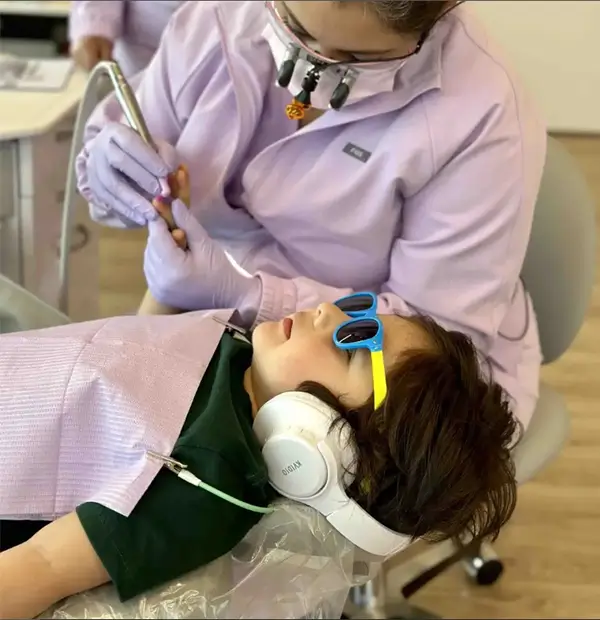
General anesthesia pediatric dentistry in Lansdowne VA offers a safe and effective way to treat children who need advanced dental care. At Lansdowne Pediatric Dentistry, the team focuses on creating a calm and supportive experience. General anesthesia allows children to receive treatment without fear, discomfort, or movement.
Many children feel anxious during dental visits. Some may have difficulty sitting still for long procedures. Therefore, general anesthesia provides a solution that ensures comfort and safety. It allows dentists to complete treatments efficiently while the child remains asleep.
Additionally, this approach helps reduce emotional stress. Children do not remember the procedure, which prevents negative associations with dental care. As a result, they are more likely to feel comfortable during future visits.
General anesthesia involves placing the child in a controlled sleep state during dental treatment. A trained anesthesia provider monitors the child’s vital signs throughout the procedure. This ensures safety at every stage.
Unlike sedation, general anesthesia allows complete relaxation. The child remains fully asleep and does not feel pain or discomfort. This makes it ideal for complex or lengthy treatments.
Dentists use general anesthesia when multiple procedures are needed. It allows them to complete all necessary work in one visit. This reduces the need for repeated appointments.
Parents often choose this option for children with severe anxiety or special needs. It provides a comfortable and controlled environment for treatment.
Families in Lansdowne VA choose general anesthesia pediatric dentistry for several reasons. First, it ensures that children remain calm and still during procedures. This allows the dentist to work efficiently and safely.
Second, it reduces the need for multiple visits. When several treatments are required, completing them in one session saves time. It also minimizes stress for both the child and the parent.
Third, it improves overall comfort. Children do not experience pain during the procedure. They also avoid the sounds and sensations that may cause fear.
At Lansdowne Pediatric Dentistry, the team prioritizes safety and comfort. They work closely with parents to determine the best approach for each child.
Safety remains the highest priority during general anesthesia. The dental team follows strict protocols to ensure a secure environment. A qualified anesthesia provider monitors the child continuously.
They track vital signs such as heart rate, breathing, and oxygen levels. This constant monitoring ensures that the child remains stable throughout the procedure.
Additionally, the dental team uses advanced equipment designed for pediatric care. This ensures precise control and immediate response if needed.
Parents can feel confident knowing their child receives expert care. The team focuses on both safety and comfort at every step.
General anesthesia is often recommended for children who need extensive dental work. It is also useful for those who experience extreme anxiety.
Some children may have difficulty cooperating during procedures. Others may have special healthcare needs that require additional support.
In these cases, general anesthesia allows the dentist to perform treatment effectively. It ensures that the child remains comfortable and safe.
Early intervention using this method can prevent further complications. It also supports better long-term oral health.
A positive dental experience is important for children. General anesthesia helps create a stress-free environment. Children do not associate dental visits with fear or discomfort.
This approach encourages better attitudes toward dental care. Children feel more comfortable returning for routine visits.
Additionally, parents feel reassured knowing their child receives gentle care. The experience becomes more manageable for the entire family.
At Lansdowne Pediatric Dentistry, the goal is to build trust and confidence. General anesthesia plays a key role in achieving this.
One of the biggest advantages involves completing treatment in one visit. Dentists can address multiple issues during a single session.
This reduces the need for repeated appointments. It also saves time for busy families.
Children benefit from fewer disruptions to their routine. They can recover once and return to normal activities quickly.
Comprehensive care in one visit also improves efficiency. Dentists can focus fully on achieving the best results.
General anesthesia pediatric dentistry supports long-term oral health. By addressing issues early, dentists prevent more serious problems.
Children receive thorough treatment without stress. This leads to better outcomes and healthier smiles.
Additionally, positive experiences encourage regular dental visits. Children develop good habits that last into adulthood.
At Lansdowne Pediatric Dentistry, the focus remains on prevention and early care. General anesthesia helps support these goals.
One of the most important benefits is complete comfort. General anesthesia allows children to sleep through the procedure. They do not feel pain or discomfort.
This is especially helpful for children with dental anxiety. It removes the fear associated with dental treatments.
Because the child remains asleep, the experience becomes stress-free. Parents also feel more at ease knowing their child is comfortable.
General anesthesia allows dentists to complete complex procedures in one session. This improves efficiency and reduces treatment time.
Children who require multiple treatments benefit greatly from this approach. Instead of several visits, everything is completed at once.
This reduces stress for both the child and the family. It also ensures consistent and thorough care.
Dentists can focus fully on the procedure without interruptions. This leads to better outcomes.
Dental anxiety can have a lasting impact on children. General anesthesia helps eliminate this stress.
Children do not remember the procedure. This prevents negative associations with dental care.
As a result, they feel more comfortable during future visits. This supports long-term oral health habits.
Reducing emotional stress also improves cooperation in later appointments.
Safety remains a top priority during general anesthesia. A trained provider monitors the child continuously.
They track vital signs such as heart rate and breathing. This ensures that the child remains stable throughout the procedure.
The use of advanced equipment further enhances safety. The dental team can respond quickly if needed.
Parents can feel confident knowing their child is in a controlled environment.
General anesthesia allows dentists to complete multiple treatments in one visit. This reduces the number of appointments needed.
Fewer visits mean less disruption to daily routines. It also minimizes stress for both children and parents.
Children benefit from a single recovery period. This makes the overall experience more manageable.
Additionally, fewer visits help maintain consistency in treatment.
When a child remains still during treatment, the dentist can work more precisely. General anesthesia ensures that there are no sudden movements.
This allows for higher-quality dental work. Dentists can focus on achieving the best results.
Additionally, the controlled environment supports better accuracy. This leads to improved long-term outcomes.
Children receive comprehensive care that meets their specific needs.
Children with special healthcare needs often require additional support during dental care. General anesthesia provides a safe and effective solution.
It allows the dental team to perform treatment without causing stress. The child remains comfortable throughout the procedure.
Parents also feel reassured knowing their child receives specialized care. This approach ensures that every child has access to quality treatment.
Without general anesthesia, some children may struggle to complete treatment. Anxiety or discomfort may interrupt the procedure.
General anesthesia eliminates these challenges. Dentists can complete all necessary work in one session.
This reduces the risk of incomplete treatment. It also prevents the need for additional procedures later.
Children benefit from a more efficient and effective approach.
Although preparation for general anesthesia takes time, the overall process is faster. Completing multiple procedures in one visit saves time.
Families do not need to schedule multiple appointments. This makes the process more convenient.
Children also benefit from a single recovery period. This allows them to return to normal activities sooner.
Efficiency plays a key role in improving the overall experience.
The benefits of general anesthesia extend beyond the procedure. Children receive comprehensive care that supports long-term health.
By addressing issues early, dentists prevent more serious problems. This reduces the need for future treatments.
Additionally, positive experiences encourage regular dental visits. Children develop healthy habits that last a lifetime.
Parents who choose this approach invest in their child’s future.
The process begins with a detailed consultation. The dentist examines the child’s oral health and discusses treatment options.
They evaluate the need for general anesthesia based on the child’s condition. This ensures that the approach is appropriate.
Parents can ask questions and express concerns. Clear communication helps build confidence and understanding.
The dentist explains the procedure in simple terms. This helps parents feel prepared.
Preparation plays an important role in ensuring safety. The dental team provides specific instructions before the appointment.
Parents may need to follow dietary guidelines. For example, the child may need to avoid food for a certain period.
The team also reviews the child’s medical history. This helps identify any potential concerns.
Proper preparation ensures a smooth and safe experience.
On the day of the procedure, the child arrives at the dental office or surgical facility. The team creates a calm and welcoming environment.
The anesthesia provider prepares the child for treatment. They administer the anesthesia carefully and monitor the child’s response.
Once the child is asleep, the dentist begins the procedure. The team ensures that everything remains controlled and safe.
Parents receive updates throughout the process. This helps them feel reassured.
Continuous monitoring is essential during general anesthesia. The anesthesia provider tracks vital signs throughout the procedure.
They monitor heart rate, breathing, and oxygen levels. This ensures that the child remains stable.
The dental team works together to maintain safety. They follow strict protocols at every step.
This level of monitoring provides a high standard of care.
During the procedure, the dentist completes all necessary treatments. This may include fillings, extractions, or other procedures.
Because the child remains still, the dentist can work efficiently. This ensures high-quality results.
Completing treatment in one session reduces the need for future visits. It also minimizes stress for the child.
The focus remains on achieving the best possible outcome.
After the procedure, the child moves to a recovery area. The team monitors them as they wake up from anesthesia.
Children may feel drowsy or slightly disoriented at first. However, this usually improves quickly.
The dental team provides aftercare instructions. These guidelines help support recovery at home.
Parents should follow these instructions carefully.
Once the child is fully awake, they can return home. Rest is important during the recovery period.
Parents should monitor their child’s comfort and behavior. Most children recover within a short time.
Soft foods and hydration may be recommended initially. This helps support healing.
The dental team remains available for any questions or concerns.
Follow-up visits ensure that the treatment was successful. The dentist checks the child’s progress and provides additional guidance.
These visits also reinforce the importance of ongoing care. Parents receive advice on maintaining oral health.
Regular checkups help prevent future issues. They also support long-term success.
General anesthesia pediatric dentistry helps create a positive dental journey. Children experience treatment without fear or discomfort.
This encourages better attitudes toward dental care. Children feel more comfortable returning for routine visits.
At Lansdowne Pediatric Dentistry, the team focuses on providing compassionate and advanced care. By combining expertise with safety, they deliver exceptional results for families in Lansdowne VA.
Children respond to dental care in different ways. Some feel calm and cooperative, while others experience fear or discomfort. In certain situations, general anesthesia becomes the best option. It allows dentists to provide safe and effective care without causing stress.
Recognizing the signs early helps parents make informed decisions. General anesthesia pediatric dentistry in Lansdowne VA offers a controlled and comfortable solution. It supports both the child’s well-being and treatment success.
At Lansdowne Pediatric Dentistry, the team evaluates each child carefully. They consider behavior, medical history, and treatment needs. This ensures that general anesthesia is used only when appropriate.
One of the most common signs is extreme dental anxiety. Many children feel nervous before a dental visit. However, some experience intense fear that prevents cooperation.
These children may cry, resist treatment, or refuse to sit in the chair. Even simple procedures can become difficult. As a result, completing necessary care becomes challenging.
General anesthesia provides a stress-free alternative. The child remains asleep during the procedure. This removes fear and allows the dentist to work efficiently.
Additionally, it prevents the development of long-term dental anxiety. Children do not remember the procedure, which supports positive future experiences.
Some children struggle to remain still during dental procedures. This may occur due to age, energy levels, or developmental factors.
Movement during treatment can make procedures unsafe. Dentists require a stable environment to perform precise work.
General anesthesia ensures complete stillness throughout the procedure. This allows the dentist to focus on delivering high-quality care.
Parents benefit from knowing their child remains safe and comfortable. The controlled setting reduces risks and improves outcomes.
Children who require multiple procedures often benefit from general anesthesia. These treatments may include fillings, crowns, or extractions.
Completing several procedures over multiple visits can be stressful. It also increases anxiety and discomfort for the child.
General anesthesia allows all necessary treatments to be completed in one session. This reduces the number of appointments.
Additionally, it ensures consistent and thorough care. Dentists can address every concern without interruption.
Very young children may not understand dental instructions. They may feel confused or scared during treatment.
Because of their age, they may struggle to cooperate. This makes it difficult to complete procedures safely.
General anesthesia provides a solution for these situations. The child remains asleep, which allows the dentist to perform treatment effectively.
This approach also protects the child from emotional stress. It creates a more positive experience overall.
Children with special healthcare needs often require additional support. Conditions such as developmental delays or sensory sensitivities can make dental visits challenging.
These children may have difficulty tolerating traditional dental procedures. They may also feel overwhelmed by the environment.
General anesthesia offers a safe and controlled option. It allows the dental team to provide care without causing distress.
Parents can feel reassured knowing their child receives personalized and compassionate treatment.
A strong gag reflex can interfere with dental procedures. Some children react strongly when instruments are placed in their mouth.
This reflex can make it difficult to complete treatment. It may also cause discomfort and anxiety.
General anesthesia eliminates this challenge. The child remains relaxed and does not experience the gag reflex during the procedure.
This allows the dentist to work efficiently and safely.
Children who have had negative dental experiences may develop fear. This can lead to resistance during future visits.
They may associate dental care with pain or discomfort. As a result, cooperation becomes difficult.
General anesthesia helps break this cycle. The child receives treatment without distress or memory of the procedure.
Over time, this can improve their attitude toward dental care. It supports more positive experiences in the future.
Some children have a low tolerance for pain. Even minor procedures can feel overwhelming.
This sensitivity may cause anxiety and resistance. It can also make it difficult for the dentist to complete treatment.
General anesthesia ensures that the child feels no pain during the procedure. This creates a comfortable and stress-free experience.
Parents appreciate knowing their child remains comfortable throughout treatment.
Sedation can help many children relax during dental procedures. However, it may not be effective for everyone.
Some children remain anxious or uncooperative despite sedation. In these cases, general anesthesia may be necessary.
General anesthesia provides a deeper level of relaxation. The child remains fully asleep, which ensures complete cooperation.
This allows the dentist to perform treatment without interruptions.
Repeated unsuccessful dental visits may indicate the need for general anesthesia. If a child cannot complete treatment despite several attempts, alternative approaches are needed.
These situations can be frustrating for both parents and children. They may also delay necessary care.
General anesthesia offers a solution by allowing treatment to be completed in one session. This eliminates the need for repeated visits.
It also reduces stress and ensures that oral health issues are addressed promptly.
Some dental procedures require more time and precision. Complex treatments may be difficult for children to tolerate while awake.
Long appointments can increase fatigue and discomfort. This may lead to movement or resistance.
General anesthesia allows the dentist to complete lengthy procedures efficiently. The child remains comfortable throughout the process.
This improves the quality of care and reduces overall treatment time.
If a child moves suddenly during a procedure, there is a risk of injury. This is especially true for procedures that require precision.
Dentists need a stable environment to ensure safety. Uncontrolled movement can make treatment difficult.
General anesthesia eliminates this risk. The child remains still, which allows the dentist to work safely.
Parents can feel confident knowing their child receives care in a controlled setting.
Some children exhibit strong behavioral reactions during dental visits. They may become upset, uncooperative, or resistant.
These behaviors can make it difficult to complete treatment. They may also create stress for the child and the dental team.
General anesthesia provides a calm and controlled solution. The child remains asleep, which eliminates behavioral challenges.
This allows the dentist to focus on delivering effective care.
When children resist dental care, treatment may be delayed. This can lead to worsening oral health issues.
Delaying treatment increases the risk of complications. It may also require more extensive procedures later.
General anesthesia allows dentists to address issues promptly. It ensures that treatment is completed without delay.
Early intervention supports better outcomes and prevents further problems.
Parents often recognize when their child feels uncomfortable or anxious. These observations provide important insight.
If a child consistently shows distress during dental visits, it may be time to consider general anesthesia.
Trusting parental instincts is important. Seeking professional guidance helps determine the best approach.
At Lansdowne Pediatric Dentistry, the team values parental input. They work closely with families to create a personalized care plan.
Early evaluation helps determine whether general anesthesia is necessary. Dentists assess the child’s needs and recommend appropriate treatment.
This proactive approach prevents complications and supports better outcomes. It also reduces the need for more complex procedures later.
Parents who seek early care can ensure that their child receives timely treatment.
Recognizing the signs that indicate the need for general anesthesia pediatric dentistry helps protect your child’s oral health. Early and effective treatment supports proper development.
Children benefit from improved comfort, reduced anxiety, and better outcomes. These factors contribute to overall well-being.
At Lansdowne Pediatric Dentistry, the focus remains on providing safe and compassionate care. The team ensures that every child receives the support they need.
By understanding these signs and seeking timely treatment, parents can help their children achieve healthy, confident smiles that last a lifetime.
After receiving care from a general anesthesia pediatric dentist in Lansdowne VA, maintaining results becomes essential. The procedure allows dentists to complete comprehensive treatment in one visit. However, long-term success depends on consistent care at home and regular dental visits.
Because general anesthesia often addresses multiple issues at once, the mouth starts fresh after treatment. This creates an opportunity to build strong oral health habits. Parents play a key role in guiding children during this phase.
Additionally, maintaining results helps prevent future dental problems. Children benefit from improved comfort, better oral function, and healthier smiles over time.
The first step involves following all post-treatment instructions provided by the dental team. These guidelines are tailored to each child’s procedure. They help protect treated areas and support healing.
Parents should ensure that children rest after the procedure. The body needs time to recover fully from anesthesia. Gentle care during this period is important.
Dentists may recommend specific dietary adjustments. Soft foods often work best during the initial recovery phase. These foods reduce strain on sensitive areas.
By following instructions closely, parents can support a smooth recovery and strong long-term results.
Good oral hygiene is essential after treatment. Children should brush their teeth twice daily using a soft-bristled toothbrush. This helps remove plaque and prevent new dental issues.
Parents should guide younger children during brushing. Proper technique ensures that all areas are cleaned effectively. Gentle brushing is especially important if the mouth feels sensitive.
Flossing should also become part of the daily routine. It removes debris from areas that brushing cannot reach. Consistency in these habits protects the results of treatment.
Additionally, establishing a routine helps children develop lifelong habits. These habits support ongoing oral health.
Using appropriate dental products can improve results after treatment. Mild toothpaste designed for children works best. These formulas clean effectively without causing irritation.
Dentists may also recommend fluoride products. Fluoride helps strengthen enamel and prevent cavities. Parents should follow professional advice when selecting these products.
Using child-friendly toothbrushes and toothpaste encourages regular use. When children enjoy their routine, they are more likely to stay consistent.
Proper product selection supports both comfort and effectiveness in oral care.
Diet plays a major role in maintaining dental results. After treatment, children should follow a balanced and nutritious diet. Healthy foods support strong teeth and gums.
Parents should limit sugary snacks and drinks. Excess sugar contributes to plaque buildup and increases the risk of cavities.
Instead, encourage foods rich in vitamins and minerals. Fruits, vegetables, and dairy products support oral health.
Additionally, avoiding sticky or hard foods can protect treated areas. Smart dietary choices help maintain long-term results.
Hydration is important for both healing and oral hygiene. Drinking water helps wash away food particles and bacteria.
Parents should encourage children to drink water throughout the day. This simple habit keeps the mouth clean and supports recovery.
Limiting sugary beverages also helps maintain results. Water remains the best choice for oral health.
Proper hydration promotes a healthy environment in the mouth. It supports healing and reduces the risk of dental issues.
Parents should observe their child’s recovery after treatment. Although healing is usually smooth, monitoring ensures everything progresses as expected.
Mild sensitivity or discomfort may occur initially. However, these symptoms should improve over time.
If unusual signs appear, such as prolonged pain or swelling, parents should contact the dentist. Early communication helps address concerns quickly.
Regular observation allows parents to stay informed about their child’s progress. This proactive approach supports successful outcomes.
Follow-up visits are an important part of maintaining results. During these appointments, the dentist evaluates healing and overall oral health.
They check treated areas to ensure proper recovery. If needed, they provide additional guidance or adjustments.
These visits also allow parents to ask questions and receive personalized advice. Clear communication helps build confidence.
Consistent follow-up care ensures that treatment results remain effective over time.
After comprehensive treatment under general anesthesia, preventing new issues becomes a priority. Parents should focus on maintaining healthy habits.
Daily brushing and flossing help remove plaque and bacteria. Regular dental visits allow for early detection of potential concerns.
Additionally, avoiding harmful habits such as frequent snacking on sugary foods supports better oral health.
Preventive care reduces the likelihood of needing future procedures. It helps protect the results achieved during treatment.
Children who develop positive habits early are more likely to maintain them. Parents should encourage consistency in daily routines.
Positive reinforcement can motivate children. Praising good behavior helps build confidence and encourages repetition.
Making oral care fun can also improve engagement. Using colorful toothbrushes or interactive routines can help.
When children feel involved and supported, they are more likely to follow their routine consistently.
Education plays a key role in maintaining results. Children who understand the importance of oral care are more likely to practice it.
Parents can explain why brushing and flossing matter. Simple explanations help children grasp the benefits.
Dentists also provide guidance during visits. Their advice reinforces good habits and builds awareness.
By educating children early, parents empower them to take responsibility for their oral health.
Certain habits can negatively affect dental results. Thumb sucking, for example, may impact tooth alignment.
Chewing on hard objects can also damage teeth or restorations. Parents should monitor these behaviors closely.
If children grind their teeth, parents should consult the dentist. Early intervention helps prevent complications.
Avoiding harmful habits protects the results of treatment and supports long-term oral health.
A supportive home environment encourages consistency. Parents can establish routines that make oral care part of daily life.
Brushing at the same time each day helps create a habit. Consistency makes it easier for children to follow through.
Additionally, leading by example can be effective. Children often imitate their parents’ behavior.
A positive environment fosters long-term success and healthy habits.
Some children may experience mild sensitivity after treatment. This is normal and usually temporary.
Parents can help by offering soft foods and avoiding extreme temperatures. Hot or cold foods may increase discomfort.
Using a gentle brushing technique also helps reduce sensitivity. Children should avoid applying too much pressure.
If sensitivity persists, parents should consult the dentist. Early guidance ensures proper care.
Routine dental visits are essential for maintaining results. These visits allow dentists to monitor oral health and detect issues early.
During checkups, dentists clean the teeth and examine the gums. They also provide personalized recommendations.
Regular visits reinforce the importance of dental care. They help prevent future problems and support long-term success.
Parents should schedule appointments as recommended by the dental team.
A healthy lifestyle supports both oral and overall health. Proper nutrition, hydration, and rest all contribute to recovery and maintenance.
Parents should encourage habits that promote well-being. A healthy body supports a healthy mouth.
Reducing stress also helps children feel more comfortable with dental care.
Balanced habits create a strong foundation for long-term health.
Children who undergo dental procedures may need reassurance afterward. Parents should provide encouragement and support.
Talking positively about the experience helps build confidence. Children feel more comfortable returning for future visits.
Positive reinforcement encourages a healthy attitude toward dental care.
Building emotional confidence supports long-term success.
Lansdowne Pediatric Dentistry provides ongoing support for families. The team offers guidance, education, and personalized care.
Parents can rely on their expertise to maintain results effectively. Open communication ensures that concerns are addressed promptly.
Together, families and dental professionals can achieve the best outcomes.
As children grow, their oral care needs change. Parents should adjust routines accordingly.
Older children may take more responsibility for brushing and flossing. However, supervision may still be necessary.
Dentists can provide guidance on adapting care routines. Their recommendations ensure continued effectiveness.
By staying flexible, parents can support long-term oral health.
Maintaining results after treatment with a general anesthesia pediatric dentist in Lansdowne VA requires consistency and care. With proper guidance, parents can support their child’s recovery and development.
By following aftercare instructions, maintaining hygiene, and encouraging healthy habits, families can achieve lasting results.
Children benefit from improved comfort, better function, and stronger oral health. These advantages extend beyond the procedure.
Through dedication and ongoing care, parents can help their children enjoy healthy and confident smiles for years to come.
Preparing your child for treatment with a general anesthesia pediatric dentist in Lansdowne VA is essential. A calm and well-prepared child will have a smoother experience. Parents can take several steps to reduce anxiety and build confidence before the appointment.
Start by explaining the visit in a simple and positive way. Use reassuring words that focus on comfort and care. Avoid using terms that may create fear or confusion.
Children respond well to calm and confident parents. Therefore, maintain a relaxed attitude when discussing the procedure. Your tone will influence how your child feels about the visit.
Additionally, choose a time when your child is well-rested. A tired child may feel more irritable and anxious. Proper rest helps improve cooperation and comfort.
Selecting the right dental provider plays a key role in the experience. Lansdowne Pediatric Dentistry specializes in caring for children. Their team understands how to create a safe and supportive environment.
An experienced pediatric dentist knows how to communicate effectively with children. They use gentle language and reassuring techniques. This helps build trust and reduce fear.
The presence of a trained anesthesia provider also adds confidence. Parents can feel reassured knowing their child is closely monitored throughout the procedure.
Before the appointment, ask questions about the process. Understanding each step helps you feel prepared and confident.
Knowing how general anesthesia works can ease concerns. General anesthesia places the child in a controlled sleep state. During this time, the dentist can perform treatment safely and efficiently.
The child does not feel pain or discomfort during the procedure. They also do not remember the experience afterward. This helps prevent negative associations with dental care.
A trained professional monitors vital signs throughout the procedure. This ensures safety at every stage.
Understanding these details helps parents feel more comfortable. It also allows them to explain the process to their child in a reassuring way.
The dental team will provide specific instructions before the appointment. Following these guidelines is essential for safety and success.
For example, parents may need to restrict food and drink before the procedure. This helps prevent complications during anesthesia.
Additionally, the team may review the child’s medical history. Providing accurate information ensures proper preparation.
Parents should carefully read all instructions and ask questions if needed. Proper preparation supports a smooth and safe experience.
A calm routine on the day of the procedure can reduce stress. Start the day with familiar activities that your child enjoys. This helps create a sense of comfort and stability.
Avoid rushing to the appointment. Allow enough time to prepare and travel. A relaxed pace reduces anxiety for both parent and child.
Bringing a favorite toy or blanket can also help. Familiar items provide reassurance in new environments.
Small efforts to create a calm atmosphere can make a big difference.
Comfortable clothing helps children feel more at ease during the visit. Choose loose and soft outfits that do not restrict movement.
Avoid clothing with tight collars or heavy fabrics. Comfort supports relaxation before and after the procedure.
Additionally, consider bringing an extra layer. This can help if the environment feels cool.
Simple choices like clothing can contribute to a more positive experience.
Arriving early allows your child to adjust to the environment. They can become familiar with the surroundings and meet the dental team.
This extra time helps reduce anxiety. It also allows parents to complete any necessary paperwork without feeling rushed.
The dental team can use this time to build rapport with your child. Positive interaction before the procedure helps create trust.
A calm and unhurried start sets the tone for the entire experience.
Emotional support plays a major role in the process. Children often look to their parents for reassurance.
Speak in a calm and encouraging tone. Let your child know they are safe and cared for.
Avoid showing worry or fear. Children can sense these emotions and may become anxious.
Offer simple explanations and focus on positive outcomes. This helps your child feel more confident.
Your support provides comfort and stability throughout the experience.
Trusting the professionals involved is essential. The dental team and anesthesia provider work together to ensure safety and comfort.
They follow strict protocols and use advanced equipment. This ensures that every step is carefully managed.
Parents should feel comfortable asking questions and sharing concerns. Open communication builds trust and confidence.
Knowing that your child is in expert hands allows you to remain calm and supportive.
Recovery begins shortly after the procedure. Parents should be prepared to support their child during this time.
Children may feel drowsy or slightly disoriented at first. This is normal and usually temporary.
The dental team will provide aftercare instructions. These may include dietary guidelines and activity recommendations.
Following these instructions helps ensure a smooth recovery. Parents should plan for a restful day at home.
After the procedure, children may need extra comfort and attention. Creating a calm environment at home helps support recovery.
Offer soft foods and plenty of fluids as recommended. These choices help prevent discomfort and support healing.
Allow your child to rest as needed. Avoid scheduling activities that require energy or focus.
Gentle care and patience help children feel safe and supported during recovery.
Parents should observe their child’s recovery closely. Most children recover quickly, but monitoring ensures everything progresses well.
Look for signs of improvement such as increased energy and comfort. Mild symptoms should gradually fade.
If any unusual symptoms occur, contact the dental team promptly. Early communication helps address concerns effectively.
Staying attentive during recovery supports successful outcomes.
Positive reinforcement helps children feel confident about dental care. After the procedure, praise your child for their bravery.
You can reward them with a fun activity or a small treat. Choose options that support oral health when possible.
Celebrating their experience helps build a positive association with dental visits.
This approach encourages better cooperation in future appointments.
After treatment, maintaining a consistent oral care routine is essential. Encourage your child to brush and floss regularly.
Supervise younger children to ensure proper technique. Gentle brushing helps protect sensitive areas.
Using child-friendly dental products can make routines more enjoyable. This encourages consistency and long-term habits.
A strong routine supports the results of treatment and prevents future issues.
Diet plays an important role in oral health. After the procedure, provide foods that support healing and comfort.
Soft foods work best during the initial recovery period. Gradually reintroduce regular foods as your child improves.
Limit sugary snacks and drinks. Excess sugar increases the risk of dental problems.
Encouraging a balanced diet supports both oral and overall health.
During recovery, children should avoid activities that may cause discomfort. For example, chewing on hard objects can irritate treated areas.
Parents should monitor these behaviors and guide their child accordingly.
If the child participates in sports, consider temporary precautions. This helps prevent injury during recovery.
Protecting the mouth supports proper healing and comfort.
A positive experience with general anesthesia can improve a child’s attitude toward dental visits. Children who feel comfortable are more likely to return for regular care.
Encourage open communication about their experience. Ask how they felt and what they liked.
Understanding their perspective helps address any concerns. It also strengthens their confidence.
Building trust early supports lifelong oral health habits.
Regular dental appointments remain important after treatment. These visits allow the dentist to monitor oral health and provide preventive care.
Scheduling appointments at consistent intervals helps establish a routine. Children become familiar with the process.
Routine visits reinforce the importance of oral care. They also provide opportunities for guidance and support.
Consistency ensures long-term success and healthy smiles.
A strong partnership with your dental provider improves outcomes. Lansdowne Pediatric Dentistry offers guidance at every step.
Parents should feel comfortable asking questions and sharing concerns. Open communication ensures personalized care.
The dental team provides tailored advice based on each child’s needs. This helps improve both comfort and results.
Working together creates a supportive and effective care plan.
A supportive home environment encourages consistency in oral care. Establish routines that make dental hygiene part of daily life.
Parents can make brushing fun by using songs or timers. This helps children stay engaged.
Leading by example also plays a role. Children often imitate their parents’ habits.
A positive environment supports long-term success and healthy routines.
Having treatment with a general anesthesia pediatric dentist in Lansdowne VA can be a smooth and positive experience. With proper preparation and support, children feel safe and comfortable.
By following these tips, parents can reduce anxiety and improve cooperation. A well-prepared child responds better to the process.
Lansdowne Pediatric Dentistry focuses on gentle, advanced care. Their approach ensures that every child receives personalized attention.
Through preparation, communication, and consistent care, families can achieve excellent outcomes. These efforts support a lifetime of healthy smiles and positive dental experiences.
General anesthesia in pediatric dentistry is a controlled medical process that allows a child to sleep during dental treatment. A licensed anesthesia provider administers the medication and monitors the child closely throughout the procedure. This approach ensures that the child feels no pain, remains still, and stays completely relaxed.
Dentists often recommend general anesthesia when a child needs extensive dental work or cannot cooperate during treatment. Some children feel extreme anxiety or fear that makes it difficult to complete procedures safely. Others may be too young to understand instructions or have special healthcare needs that require additional support.
Because the child remains asleep, the dentist can complete all necessary treatments in one visit. This reduces the need for multiple appointments and helps prevent delays in care. It also allows the dentist to work efficiently and with greater precision.
Additionally, general anesthesia helps eliminate negative dental experiences. Children do not remember the procedure, which reduces fear during future visits. This supports a more positive relationship with dental care.
Overall, general anesthesia provides a safe and effective way to deliver comprehensive treatment. It ensures comfort, efficiency, and better outcomes for children who need advanced dental care.
Yes, general anesthesia is safe when performed by trained professionals in a controlled setting. Pediatric dental teams follow strict safety protocols to ensure the highest level of care. A licensed anesthesia provider monitors the child continuously during the procedure.
They track vital signs such as heart rate, breathing, and oxygen levels. This constant monitoring allows immediate response if any changes occur. Advanced equipment also supports safety by providing real-time data throughout the procedure.
Before treatment, the dental team reviews the child’s medical history carefully. This helps identify any potential risks and ensures proper preparation. Parents also receive detailed instructions to follow before the appointment.
During the procedure, the environment remains highly controlled. The dental and anesthesia teams work together to maintain stability and comfort. Their combined expertise ensures a safe experience from start to finish.
After the procedure, the child moves to a recovery area where monitoring continues. The team ensures that the child wakes up safely and comfortably.
Parents can feel confident knowing that general anesthesia is widely used in pediatric dentistry. When performed by qualified professionals, it provides a safe and reliable option for children who need specialized care.
Preparation plays an important role in ensuring a smooth experience. Parents should begin by explaining the procedure in simple and reassuring terms. Use positive language and focus on comfort rather than fear.
Children often feel more relaxed when they understand what will happen. Avoid overwhelming them with too many details. Instead, emphasize that the dentist will help their teeth feel better.
Following pre-procedure instructions is essential. The dental team may require the child to avoid food and drink for a specific period before the appointment. This step helps ensure safety during anesthesia.
Parents should also provide accurate medical information. Sharing details about medications, allergies, and health conditions allows the team to prepare properly.
On the day of the procedure, create a calm and supportive environment. Dress your child in comfortable clothing and bring a favorite toy or blanket for reassurance.
Arriving early can also help reduce anxiety. It gives the child time to adjust to the environment and meet the dental team.
By preparing carefully and maintaining a calm attitude, parents can help their child feel more secure. This sets the stage for a positive and stress-free experience.
After the procedure, the child enters a recovery phase where the dental team monitors their condition. They remain under observation until they wake up fully from anesthesia. This ensures a safe and stable transition.
Children may feel drowsy or slightly disoriented at first. These effects are temporary and usually improve quickly. Some children may also experience mild discomfort, depending on the treatment performed.
The dental team provides clear aftercare instructions before the child goes home. These instructions may include guidance on diet, activity levels, and oral hygiene. Parents should follow these recommendations closely.
Soft foods are often recommended during the initial recovery period. These foods help prevent irritation and support healing. Hydration is also important, so children should drink water regularly.
Rest plays a key role in recovery. Parents should allow their child to relax and avoid strenuous activities for the rest of the day.
Monitoring the child’s condition is important. If unusual symptoms appear, parents should contact the dental provider immediately. Early communication helps address concerns quickly.
Most children recover within a short time and return to normal activities soon after. With proper care, the healing process remains smooth and comfortable.
General anesthesia significantly improves the dental experience for children who struggle with traditional treatment methods. One of the main benefits involves eliminating fear and discomfort during the procedure. The child remains asleep and does not experience any pain.
This approach also allows dentists to complete treatment efficiently. Because the child stays still, the dentist can work with greater precision. This leads to better results and reduces the need for additional visits.
Children who receive treatment under general anesthesia often develop a more positive attitude toward dental care. They do not associate dental visits with fear or discomfort. This encourages regular checkups in the future.
Parents also benefit from a smoother experience. They can feel reassured knowing their child receives comprehensive care in a single visit. This reduces stress and saves time.
Additionally, general anesthesia supports better long-term oral health. By addressing multiple issues at once, it prevents complications and promotes healthier development.
Overall, general anesthesia creates a comfortable and efficient experience. It helps children receive the care they need while building confidence in dental visits.
At Rejuvenation Clinic, we understand that every child deserves a gentle and stress-free dental experience. General anesthesia pediatric dentistry in Lansdowne VA allows us to provide comprehensive care while ensuring your child’s comfort and safety.
If your child feels anxious, has difficulty cooperating, or needs extensive treatment, general anesthesia may be the ideal solution. Our team works closely with families to create personalized care plans that meet each child’s unique needs.
From the moment you arrive, you will experience a welcoming and supportive environment. We take the time to explain every step of the process and answer all your questions. This ensures that both you and your child feel confident and prepared.
Our experienced dental and anesthesia professionals prioritize safety at every stage. We use advanced monitoring technology and follow strict protocols to ensure a secure and controlled procedure.
By choosing general anesthesia, you can help your child receive the care they need without fear or discomfort. This approach not only improves immediate treatment outcomes but also supports long-term oral health.
We also focus on building positive dental experiences that last a lifetime. Children who feel comfortable during treatment are more likely to maintain healthy habits and attend regular visits.
Scheduling an appointment with Rejuvenation Clinic is simple and convenient. Our friendly team is ready to assist you and guide you through the process from start to finish.
Do not wait to give your child the benefit of advanced and compassionate dental care. Contact Rejuvenation Clinic today to learn more about general anesthesia pediatric dentistry in Lansdowne VA.
Let us help your child achieve a healthy, confident smile with care that prioritizes comfort, safety, and lasting results.
Lansdowne Pediatric Dentistry Named Best Pediatric Dental Practice in Best of Loudoun 2026