


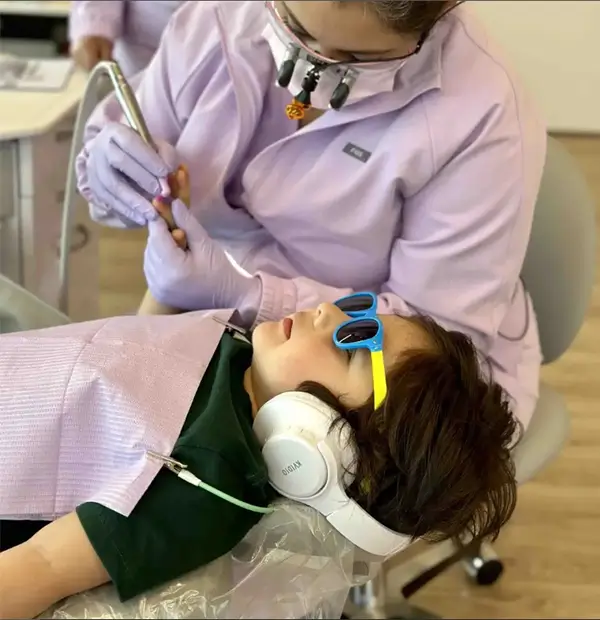
Parents in Lansdowne want their children to feel safe during dental visits. However, some procedures can cause discomfort or anxiety. Dental anesthesia provides a reliable solution that ensures comfort and reduces stress.
Lansdowne Pediatric Dentistry offers advanced anesthesia options tailored for children. These methods help children stay relaxed during treatment. As a result, procedures become smoother and more efficient.
Children benefit from a calm experience. At the same time, parents feel reassured knowing their child remains comfortable and safe.
Dental anesthesia involves medications that block pain during dental procedures. It allows dentists to perform treatments without causing discomfort. Different types of anesthesia are used depending on the child’s needs.
Local anesthesia numbs a specific area of the mouth. It allows the child to stay awake while feeling no pain. Sedation anesthesia helps children relax during procedures. General anesthesia allows the child to sleep completely.
Each option serves a unique purpose. The dentist carefully selects the appropriate method based on the procedure and the child’s comfort level.
Local anesthesia is the most common option. It numbs a specific area where treatment occurs. Children remain awake but feel no pain.
This method works well for minor procedures. It provides effective pain control while allowing the child to stay alert.
Sedation anesthesia helps children relax during treatment. It reduces anxiety and makes the experience more comfortable.
Children may feel drowsy or less aware of the procedure. This option works well for children who feel nervous about dental visits.
General anesthesia allows the child to sleep during the procedure. It is used for complex or lengthy treatments.
Children feel no pain and have no memory of the procedure. This ensures complete comfort and safety.
Children often feel anxious during dental visits. Pain or discomfort can increase this anxiety. Dental anesthesia helps eliminate these concerns.
By preventing pain, anesthesia allows the dentist to work effectively. It also creates a positive experience for the child.
Early positive experiences encourage children to maintain regular dental visits. This supports long-term oral health.
Lansdowne Pediatric Dentistry focuses on creating a welcoming environment. The team uses gentle communication to explain procedures.
Children feel more comfortable when they understand what will happen. Parents also receive clear guidance and support.
Combining a calm environment with anesthesia ensures a positive experience.
Safety remains the highest priority during anesthesia procedures. The dental team follows strict protocols to protect each child.
Before treatment, the dentist reviews the child’s medical history. This helps determine the safest anesthesia option.
During the procedure, advanced monitoring equipment tracks vital signs. This includes heart rate, oxygen levels, and breathing.
Continuous monitoring ensures that the child remains safe throughout the procedure.
Pain and anxiety can make dental visits difficult. Dental anesthesia addresses both concerns effectively.
Children feel no pain during treatment. They also experience reduced anxiety due to relaxation.
This combination improves cooperation and creates a smoother experience.
Anesthesia allows the dentist to complete procedures without interruptions. Children remain still and comfortable during treatment.
This improves efficiency and reduces treatment time. Parents appreciate the convenience of shorter appointments.
Efficient treatment also ensures better outcomes.
Positive dental experiences during childhood shape future habits. Anesthesia helps create these experiences by reducing discomfort.
Children who feel comfortable are more likely to return for regular visits. This supports consistent oral care.
Parents benefit from reduced stress and improved cooperation.
Each child has unique needs. Lansdowne Pediatric Dentistry provides personalized anesthesia plans.
The dentist evaluates the child’s age, health, and treatment requirements. This ensures the best approach for each case.
Personalized care improves safety, comfort, and results.
Lansdowne Pediatric Dentistry uses modern techniques and equipment. The team stays updated with the latest advancements in pediatric care.
This commitment ensures high-quality treatment. Children receive safe and effective anesthesia tailored to their needs.
Families in Lansdowne trust this approach for reliable care.
One of the most important benefits is pain control. Dental anesthesia ensures that children feel no discomfort during treatment.
This allows the dentist to perform procedures effectively. Children remain calm and relaxed throughout the process.
Pain-free treatment creates a positive experience for young patients.
Dental anxiety is common among children. Anesthesia helps reduce fear by creating a relaxed state.
Children feel less aware of the procedure. This makes the experience more comfortable and manageable.
Reduced anxiety encourages future dental visits.
Children who feel comfortable are more cooperative. Anesthesia helps them remain still and relaxed.
This allows the dentist to work efficiently. It also reduces the risk of interruptions.
Improved cooperation leads to better treatment outcomes.
Some dental treatments require more time and precision. Anesthesia makes these procedures possible.
Children remain comfortable throughout the process. This ensures that treatment can be completed successfully.
Parents benefit from fewer appointments and less stress.
Anesthesia allows the dental team to maintain better control during procedures. This improves safety and accuracy.
Continuous monitoring ensures that the child remains stable. Advanced equipment supports safe treatment.
Parents can feel confident in the care their child receives.
A comfortable dental visit helps build positive memories. Children who feel safe are more likely to return for future care.
Positive experiences reduce long-term dental anxiety. This supports lifelong oral health.
Parents appreciate the gentle approach.
Anesthesia improves efficiency during procedures. The dentist can complete treatment without delays.
Shorter appointments benefit both children and parents. This makes dental care more convenient.
Efficient treatment also reduces overall stress.
Children with special needs may require additional support. Anesthesia provides a safe and effective solution.
It helps these children remain calm and comfortable. This ensures they receive necessary care.
Personalized plans address individual needs.
Dental procedures require precision. Anesthesia helps minimize movement, allowing accurate treatment.
This improves the quality of care. It also ensures better long-term results.
Children remain relaxed throughout the procedure.
By making dental visits more comfortable, anesthesia encourages regular care. This supports long-term oral health.
Children develop healthy habits early. This reduces the risk of future dental problems.
The process begins with a detailed consultation. The dentist evaluates the child’s oral health and medical history.
Parents discuss concerns and expectations. The dentist explains the anesthesia options clearly.
This step ensures that the chosen method is safe and appropriate.
Preparation instructions are provided before the appointment. These may include guidelines for eating and drinking.
Parents should follow these instructions carefully. Proper preparation ensures safety.
The dental team also answers any questions before treatment.
The dentist administers the selected anesthesia method. This may involve local numbing, sedation, or general anesthesia.
The process is controlled and monitored carefully. Children begin to relax quickly.
For general anesthesia, the child falls asleep completely.
Continuous monitoring ensures safety throughout the procedure. The dental team tracks vital signs closely.
Advanced equipment measures heart rate, oxygen levels, and breathing. This allows immediate response if needed.
Parents can feel reassured knowing their child is safe.
Once the child is comfortable, the dentist begins the procedure. The absence of pain allows precise and efficient work.
The dental team focuses on completing treatment effectively. This ensures high-quality results.
Children remain relaxed throughout the process.
After treatment, the effects of anesthesia gradually wear off. Children may feel drowsy or slightly disoriented.
This is normal and temporary. The dental team monitors recovery before discharge.
Parents receive guidance for post-procedure care.
Parents receive clear instructions for aftercare. These may include guidelines for eating, drinking, and activity levels.
Following these instructions supports recovery. It also ensures the best outcome.
Parents should monitor their child during recovery.
Most children recover quickly after anesthesia. Mild drowsiness may last for a few hours.
Children can return to normal activities once fully alert. Parents should provide a calm environment.
Hydration and rest support recovery.
Follow-up appointments ensure proper healing and progress. The dentist checks the treated areas and overall oral health.
Regular visits support long-term success. Parents should keep scheduled appointments.
Emotional support remains important throughout the process. Parents should reassure their child before and after treatment.
Positive reinforcement helps build confidence. This encourages future dental visits.
A supportive approach ensures a smooth and positive experience.
Parents often want dental visits to feel easy and stress-free for their children. While many children manage routine care well, others face challenges that make treatment difficult. Dental anesthesia provides a safe and effective way to ensure comfort during procedures.
Recognizing the signs early helps parents make informed decisions. Lansdowne Pediatric Dentistry focuses on identifying these needs and offering personalized care. When children receive the right level of support, their dental experience improves significantly.
Understanding these indicators allows families to act with confidence. It also ensures children receive proper treatment without fear or discomfort.
Many children feel nervous about dental visits. However, intense fear can interfere with treatment. Children may cry, refuse to sit in the chair, or resist entering the office.
This level of anxiety can prevent even simple procedures. Parents may notice that their child becomes distressed before appointments. These reactions often indicate the need for additional support.
Dental anesthesia helps reduce fear by creating a calm and comfortable experience. Children feel less aware of the procedure and more relaxed.
A previous uncomfortable dental visit can create lasting fear. Children may associate the dentist with pain or stress. This can lead to avoidance or strong emotional reactions.
Parents may notice hesitation when discussing dental care. Addressing this early helps prevent long-term anxiety.
Dental anesthesia creates a positive experience. It helps children rebuild trust and feel safe during treatment.
Dental procedures require children to remain still. Some children struggle with this due to age or temperament. They may move frequently or resist instructions.
Movement can make treatment unsafe and incomplete. It also increases the risk of discomfort.
Dental anesthesia helps children remain calm and still. This allows the dentist to perform procedures safely and efficiently.
Very young children often have limited attention spans. They may not understand the importance of staying still during treatment.
Parents may notice that their child cannot focus during routine activities. This behavior often continues in the dental setting.
Anesthesia provides a solution by helping children relax. It ensures that necessary treatment can be completed without stress.
Some children need several dental treatments at once. These may include fillings, crowns, or other restorative work. Completing these treatments over multiple visits can be overwhelming.
Parents may notice that their child becomes stressed with repeated appointments. This can increase anxiety and resistance.
Dental anesthesia allows multiple procedures to be completed in one visit. This reduces the number of appointments and overall stress.
Certain dental treatments take longer and require precision. Children may struggle to remain cooperative during extended procedures.
Fatigue and discomfort can increase as time passes. This may lead to incomplete treatment.
Anesthesia ensures that the child remains comfortable throughout the procedure. It also allows the dentist to work efficiently.
Some children have a sensitive gag reflex. This can make dental procedures uncomfortable or challenging. Even routine treatments may trigger gagging.
Parents may notice this sensitivity during brushing or medical exams. It can interfere with proper dental care.
Dental anesthesia helps relax the muscles and reduce gag reflex. This allows the dentist to perform procedures without interruption.
A strong gag reflex can also create anxiety. Children may fear discomfort during treatment. This can lead to avoidance or resistance.
Anesthesia reduces both physical and emotional discomfort. It creates a more manageable experience.
Children vary in how they respond to discomfort. Some react strongly to even minor sensations. This can make dental procedures challenging.
Parents may notice strong reactions to small injuries or discomfort. This sensitivity often extends to dental care.
Dental anesthesia minimizes discomfort. It helps children remain calm and relaxed during treatment.
Fear of pain can increase anxiety before the procedure begins. Children may anticipate discomfort and become distressed.
This anticipation can lead to resistance or refusal to cooperate. Anesthesia helps eliminate this fear by ensuring comfort.
Children feel more relaxed when they know they will not feel pain.
Children with developmental conditions may require additional support. Conditions such as autism or ADHD can affect cooperation during dental visits.
Parents may notice difficulty following instructions or staying calm. These challenges can make treatment more complex.
Dental anesthesia provides a safe and effective solution. It helps children remain relaxed and comfortable.
Some children are sensitive to sounds, lights, or touch. Dental environments may feel overwhelming for them.
Parents may observe discomfort during routine activities. These sensitivities can increase anxiety during dental visits.
Anesthesia helps reduce sensory overload. It creates a calmer and more controlled experience.
Some children have difficulty completing dental treatment. Movement or anxiety may cause interruptions.
Parents may recall appointments where treatment could not be finished. This can delay necessary care.
Dental anesthesia allows the dentist to complete procedures without interruption. This ensures that the child receives proper treatment.
Children who struggle to follow instructions may find dental visits challenging. They may refuse to open their mouth or cooperate with the dentist.
This behavior can make treatment difficult and stressful. Anesthesia helps create a more cooperative environment.
Children experiencing dental pain may show signs of discomfort. They may complain about toothaches or sensitivity.
Parents may notice changes in eating or sleeping habits. Pain can make dental visits more urgent.
Dental anesthesia ensures that treatment can be completed comfortably. It reduces stress during urgent care.
Children with dental pain may avoid eating or brushing. This behavior often indicates a serious issue.
Parents should monitor these changes closely. Early intervention prevents further complications.
Anesthesia allows the dentist to address the problem effectively.
Strong emotional reactions during dental visits may indicate the need for anesthesia. Children may cry, scream, or become uncooperative.
These behaviors can prevent successful treatment. They also increase stress for both the child and parent.
Dental anesthesia helps create a calm and controlled environment.
Some children may become quiet or withdrawn instead of expressive. They may avoid eye contact or refuse to engage.
This behavior can signal anxiety or discomfort. Anesthesia helps reduce these feelings and improve the experience.
Children may clench their teeth or resist opening their mouth. This behavior can indicate fear or discomfort.
Parents may notice tension during dental care routines at home. These signs often carry over to dental visits.
Anesthesia helps relax muscles and reduce resistance.
Children who react strongly to touch in the mouth may need additional support. They may feel uncomfortable during brushing or eating.
This sensitivity can make dental treatment difficult. Anesthesia helps reduce these reactions and improve comfort.
If difficulties continue across multiple visits, anesthesia may be necessary. Repeated challenges often indicate a deeper issue.
Parents should discuss these concerns with their dentist. Professional evaluation helps determine the best approach.
Dentists often recognize signs that indicate the need for anesthesia. They may recommend it based on the child’s behavior and treatment needs.
Parents should consider these recommendations carefully. The dental team’s expertise ensures safe and effective care.
Dental anesthesia helps children feel calm and comfortable. It reduces anxiety and allows them to relax during treatment.
This creates a positive experience and improves cooperation.
When children remain still, the dentist can work more efficiently. This improves treatment quality and reduces time.
Anesthesia ensures that procedures are completed safely and effectively.
Positive experiences encourage future dental visits. Children who feel comfortable are more likely to maintain regular care.
Anesthesia helps build confidence and trust in dental treatment.
Recognizing the need for anesthesia early prevents delays in care. Untreated dental issues can worsen over time.
Early intervention ensures that problems are addressed promptly.
When children receive proper care, their oral health improves. Anesthesia allows necessary treatment without stress.
This supports healthy development and long-term well-being.
Understanding the signs that indicate the need for dental anesthesia helps parents make informed decisions. Every child is unique, and their needs vary.
Dental anesthesia for children in Lansdowne, VA provides a safe and effective solution for those who require additional support.
Lansdowne Pediatric Dentistry focuses on comfort, safety, and personalized care. Their approach ensures that every child receives the best possible experience.
By recognizing these signs and seeking timely care, parents can help their child achieve a healthy smile in a calm and stress-free way.
Dental anesthesia allows children to receive treatment without pain or fear. However, the success of that treatment depends on proper care afterward. Once the procedure is complete, maintaining results becomes the next priority.
Parents play a central role in this phase. With the right habits and guidance, children can protect their dental health and avoid future issues. Lansdowne Pediatric Dentistry provides clear instructions to support families after treatment.
Consistency is essential. Daily care, healthy routines, and follow-up visits all contribute to long-term success. When parents stay proactive, children enjoy lasting results and healthier smiles.
After anesthesia, children may feel sleepy or slightly disoriented. This is a normal response as the body recovers. Parents should allow time for full alertness before returning to regular activities.
A quiet and calm environment helps children recover comfortably. Rest supports the body’s natural healing process. Children should avoid physical activity until they feel fully awake.
Monitoring during this period ensures safety. Parents should stay nearby and observe their child closely.
The dental team provides specific instructions after treatment. These guidelines support healing and protect the treated areas. Parents should follow them carefully.
Instructions may include recommendations for eating, drinking, and oral care. Each step plays a role in maintaining results. Skipping instructions may affect recovery.
If anything seems unclear, parents should contact the dental office. Clear understanding ensures proper care.
Good oral hygiene remains the foundation of dental health. After treatment, children should brush their teeth twice daily. This removes plaque and prevents future decay.
Parents should supervise brushing, especially for younger children. Proper technique ensures effective cleaning. Using a soft toothbrush helps protect sensitive areas.
Consistency builds strong habits. Over time, children learn to care for their teeth independently.
Flossing removes food particles between teeth. These areas are often difficult to reach with a toothbrush alone. Including flossing in the daily routine improves overall cleanliness.
Parents should assist younger children with flossing. Gentle guidance ensures proper technique. Regular flossing reduces the risk of cavities and gum issues.
Healthy habits support long-term results after treatment.
Immediately after anesthesia, children may benefit from soft foods. Options like yogurt, applesauce, and mashed vegetables provide comfort. These foods reduce pressure on treated teeth.
Parents should avoid hard or sticky foods at first. These can irritate sensitive areas or disrupt healing. Gradually, children can return to their normal diet.
Monitoring comfort helps guide food choices. Adjustments can be made based on the child’s needs.
A balanced diet supports strong teeth and gums. Nutrient-rich foods help maintain oral health. Fruits, vegetables, and proteins provide essential vitamins.
Parents should limit sugary snacks and drinks. Sugar increases the risk of cavities. Encouraging water instead of sugary beverages helps protect teeth.
Healthy eating habits reinforce the benefits of dental treatment.
Sugary and acidic foods can weaken enamel. Reducing their intake helps prevent decay. Parents should encourage healthier alternatives.
Offering snacks like fruits or cheese supports dental health. These choices protect teeth and reduce risk.
Consistent dietary habits help maintain results after treatment.
Rinsing the mouth after meals helps remove food particles. This simple step reduces plaque buildup. It also keeps the mouth fresh.
Parents can encourage children to rinse with water. This supports cleanliness between brushing sessions.
Small habits like this contribute to long-term oral health.
Follow-up visits ensure proper healing after treatment. The dentist evaluates progress and checks for any concerns. These appointments provide reassurance for parents.
Regular visits also help maintain results. Early detection of issues prevents complications. Parents should keep all scheduled appointments.
Consistent care supports lasting oral health.
Professional cleanings remove plaque and tartar buildup. These cannot be fully removed with brushing alone. Cleanings help maintain healthy teeth and gums.
The dentist also examines overall oral development. This ensures that everything remains on track.
Routine visits play a key role in maintaining results.
A consistent routine makes oral care easier. Parents should establish set times for brushing and flossing. This helps children remember their responsibilities.
Routine creates structure and reliability. Over time, these habits become automatic.
Strong routines support long-term dental health.
As children grow, they should take more responsibility for their oral care. Parents can guide them while encouraging independence.
This builds confidence and accountability. Children learn the importance of maintaining their own dental health.
Positive reinforcement helps reinforce these habits.
A successful procedure with anesthesia can improve a child’s attitude toward dental visits. Parents should reinforce this positivity at home.
Talking about the experience in a calm and encouraging way helps build confidence. Children feel more comfortable with future appointments.
Positive experiences support long-term oral care.
Children who feel comfortable during treatment are less likely to develop anxiety. Parents can continue this support by maintaining a calm approach.
Explaining future visits in simple terms helps children feel prepared. This reduces fear and improves cooperation.
Confidence grows with each positive experience.
Parents should examine their child’s mouth regularly. This helps identify changes early. Look for signs such as redness, swelling, or discoloration.
Early detection allows prompt action. Addressing concerns quickly prevents complications.
Regular checks support ongoing oral health.
Behavioral changes can signal dental issues. Children may avoid eating or brushing if they feel discomfort.
Parents should pay attention to these signs. Early intervention ensures proper care.
Awareness helps maintain results and prevent setbacks.
After treatment, proper alignment remains important. Parents should monitor how teeth grow and develop.
Regular dental visits help track alignment. The dentist can recommend additional care if needed.
Maintaining alignment supports overall oral health.
Habits such as thumb sucking or nail biting can affect dental results. Parents should guide children away from these behaviors.
Encouraging positive habits helps protect teeth and gums. This supports long-term success.
Consistency ensures stable results.
Water plays an important role in oral health. It helps rinse away food particles and bacteria. Staying hydrated also prevents dry mouth.
Parents should encourage children to drink water throughout the day. This simple habit supports overall well-being.
Healthy hydration contributes to maintaining results.
Sugary drinks can harm teeth and lead to decay. Parents should limit soda, juice, and other sweet beverages.
Choosing water or milk supports healthier teeth. This reduces the risk of future dental issues.
Smart beverage choices help protect results.
Communication with the dental team is essential. Parents should share any concerns or observations. This helps the dentist provide personalized guidance.
Regular updates ensure that care remains effective. This partnership supports the child’s well-being.
Trust and communication lead to better outcomes.
Dentists provide expert advice based on each child’s needs. Parents should follow these recommendations carefully.
This ensures optimal results and long-term success. Professional guidance helps maintain oral health.
Confidence in the dental team supports effective care.
Maintaining results improves daily comfort for children. They can eat, speak, and smile without difficulty.
Parents often notice positive changes quickly. These improvements continue over time.
Comfort and function enhance overall quality of life.
Healthy teeth contribute to confidence. Children feel more comfortable interacting with others.
This supports emotional and social development. Positive outcomes extend beyond oral health.
Confidence grows with consistent care.
Good habits reduce the need for future procedures. Regular brushing, flossing, and check-ups prevent dental issues.
Parents should encourage these habits daily. Consistency keeps teeth healthy and strong.
Preventive care supports long-term success.
Early detection of dental problems allows simple treatment. This reduces the need for anesthesia in the future.
Parents should seek professional care at the first sign of concern. Timely action prevents complications.
Proactive care helps maintain results.
Maintaining results after dental anesthesia for children requires consistency, awareness, and proper care. By following aftercare instructions, practicing good hygiene, and supporting healthy habits, parents ensure lasting benefits.
Lansdowne Pediatric Dentistry provides expert care and guidance throughout the process. Their approach focuses on safety, comfort, and long-term success.
With the right support, children can enjoy healthy smiles and positive dental experiences for years to come.
Dental anesthesia helps children receive treatment without pain or fear. However, proper preparation makes a significant difference in the overall experience. Parents who understand the process can guide their child with confidence. At the same time, children feel more secure when they receive reassurance and support.
Lansdowne Pediatric Dentistry focuses on creating a calm and safe environment. Still, preparation at home plays an important role. When families follow simple and practical tips, they reduce anxiety and improve outcomes.
A well-prepared child feels more relaxed. A confident parent provides reassurance. Together, these elements create a smooth and positive dental visit.
Selecting an experienced pediatric dental provider is essential. Children require specialized care that focuses on comfort and safety. Pediatric dentists understand how to manage behavior and reduce anxiety.
They also have training in administering dental anesthesia safely. This ensures that each procedure is handled with precision and care. Parents should choose a provider who emphasizes child-friendly techniques.
An experienced team creates a supportive environment. This helps children feel calm before and during treatment.
Parents should feel comfortable asking questions about anesthesia. Understanding the process builds confidence and reduces uncertainty.
Questions about safety, monitoring, and recovery help parents feel prepared. The dental team can explain each step clearly.
Open communication strengthens trust and helps parents support their child effectively.
Dental anesthesia includes several options based on the child’s needs. Local anesthesia numbs a specific area of the mouth. Sedation helps children relax during treatment. General anesthesia allows the child to sleep completely.
Parents should understand which option is recommended and why. Each method serves a specific purpose.
Knowing these details helps parents explain the procedure in simple terms.
Children respond well to clear and simple explanations. Parents should describe the procedure using calm and positive language.
For example, parents can explain that the dentist will help their mouth feel comfortable during treatment. Avoiding complex or frightening terms reduces anxiety.
When children understand what will happen, they feel more secure and cooperative.
Positive reinforcement helps children feel confident. Parents should praise their child for being brave and cooperative.
Encouraging words create reassurance. Children feel supported and less anxious about the procedure.
This positive approach improves cooperation during the visit.
Simple calming techniques can help children manage anxiety. Deep breathing or listening to soft music can be effective.
Parents can practice these techniques before the appointment. This prepares the child for a relaxed experience.
Familiar strategies make the dental visit easier.
Timing plays an important role in a child’s behavior. Parents should schedule the appointment when the child is well-rested.
Morning appointments often work best. Children feel more alert and cooperative at this time.
Avoid scheduling during nap times or late in the day. Proper timing supports a smoother experience.
Comfortable clothing helps children feel at ease. Parents should choose soft and loose-fitting outfits.
Bringing a favorite toy or blanket can also provide comfort. Familiar items help reduce anxiety in a new environment.
Small details can improve the overall experience.
Before anesthesia, specific instructions must be followed. These often include restrictions on food and drink.
Parents should follow these guidelines carefully. Proper preparation ensures safety during the procedure.
Ignoring instructions can increase risks. Therefore, attention to detail is essential.
Arriving early allows time for check-in and preparation. This reduces stress and allows the child to adjust to the environment.
Parents should bring necessary information and documents. Being prepared helps the appointment run smoothly.
A calm and organized approach sets a positive tone.
Children often mirror their parents’ emotions. If parents feel anxious, children may become nervous.
Staying calm and positive helps create reassurance. Parents should focus on the benefits of the procedure.
Confidence from parents helps children feel secure.
Parents should provide gentle reassurance throughout the appointment. Holding a child’s hand or speaking softly can reduce anxiety.
Simple encouragement, such as praising bravery, helps children feel supported.
Parental presence plays a key role in creating a positive experience.
During dental anesthesia, the dental team ensures comfort and safety. Local anesthesia numbs the area, while sedation or general anesthesia helps the child relax or sleep.
The dentist monitors the child throughout the procedure. This ensures that everything remains stable and safe.
Understanding the process helps reduce uncertainty and anxiety.
The procedure takes place in a controlled and supportive setting. The dental team focuses on comfort at every step.
Children remain relaxed or asleep during treatment. This allows the dentist to complete the procedure efficiently.
A calm environment ensures a positive experience.
After anesthesia, children need time to recover. They may feel drowsy or slightly disoriented.
Parents should provide a quiet and comfortable space. Rest helps the body regain energy.
Children should avoid active play until they feel fully alert.
Parents should stay close and provide reassurance during recovery. Younger children may benefit from cuddling.
Older children may prefer quiet activities such as reading or watching a show.
A calm environment supports smooth recovery.
The dental team provides instructions for aftercare. These guidelines help ensure proper healing and comfort.
Parents should follow them carefully. This includes recommendations for eating, drinking, and oral care.
Consistency ensures the best possible outcome.
Parents should observe their child during recovery. Watching for normal signs helps ensure everything is progressing well.
If any concerns arise, contacting the dental office is important.
Monitoring provides reassurance and helps prevent complications.
Children can return to normal activities gradually. Light activities such as drawing or watching a show are ideal at first.
Avoid rough play until the child feels fully recovered. This protects treated areas and supports healing.
A gradual return ensures comfort.
Hydration plays an important role in recovery. Drinking water helps keep the mouth clean.
Soft foods may feel more comfortable initially. Parents should introduce regular foods gradually.
Balanced nutrition supports overall recovery.
Acknowledging your child’s bravery creates a positive memory. Parents can praise their child for cooperation.
Small rewards or encouragement can make the experience enjoyable.
Positive reinforcement builds confidence for future visits.
A positive experience with dental anesthesia can shape a child’s attitude toward dental visits. Children who feel safe are more likely to cooperate in the future.
Parents should continue reinforcing positive experiences. This builds long-term confidence.
Confidence supports lifelong oral health habits.
Good oral hygiene remains essential after treatment. Children should brush and floss regularly.
Parents should guide younger children to ensure proper technique.
Consistent habits help prevent future dental issues.
Routine dental visits help maintain results. The dentist can monitor progress and address concerns early.
Parents should keep scheduled appointments. Preventive care supports long-term oral health.
Having dental anesthesia for children in Lansdowne, VA can be a smooth and stress-free experience with proper preparation. By choosing an experienced pediatric dentist, understanding the process, and supporting your child emotionally, you create a strong foundation for success.
Following these tips helps ensure comfort, confidence, and effective recovery. Lansdowne Pediatric Dentistry provides expert care and guidance throughout the process.
With the right preparation and support, children can enjoy positive dental experiences and maintain healthy smiles for years to come.
Dental anesthesia for children involves the use of safe and carefully controlled medications to block pain during dental procedures. It allows pediatric dentists to perform treatments while keeping the child comfortable and relaxed. Depending on the child’s needs, the dentist may use local anesthesia, sedation, or general anesthesia.
Local anesthesia numbs a specific area of the mouth. This method works well for minor treatments and allows the child to stay awake. Sedation helps children feel calm and less aware of the procedure. General anesthesia allows the child to sleep completely during more complex treatments.
Each method works by affecting the nervous system. It prevents pain signals from reaching the brain or reduces awareness of the procedure. This creates a stress-free experience for the child.
The dentist selects the most appropriate option based on the child’s age, behavior, and treatment needs. This personalized approach ensures both safety and effectiveness.
Overall, dental anesthesia plays a key role in modern pediatric dentistry. It allows children to receive necessary care without fear or discomfort, which supports both immediate treatment and long-term oral health.
Safety remains the top priority when using dental anesthesia for children. Pediatric dentists follow strict guidelines and protocols to ensure every procedure is safe. Before treatment, the dental team reviews the child’s medical history in detail.
This evaluation helps determine the safest type and level of anesthesia. During the procedure, the child is monitored continuously. Advanced equipment tracks vital signs such as heart rate, oxygen levels, and breathing.
The dental team includes trained professionals who understand how to manage pediatric anesthesia. Their experience allows them to respond quickly if any changes occur. This constant monitoring ensures a high level of safety throughout the procedure.
Additionally, modern anesthesia techniques are designed specifically for children. They use controlled dosages and precise methods to minimize risks.
Parents can feel reassured knowing that safety measures are always in place. When performed by experienced professionals, dental anesthesia is a reliable and safe option for children who need additional support during treatment.
Recovery time depends on the type of anesthesia used. Most children recover quickly and return to normal activities within a short period. However, the first few hours after the procedure require careful attention.
After local anesthesia, numbness may last for a few hours. Children should avoid chewing on the numb area to prevent accidental injury. Sensation gradually returns to normal without complications.
With sedation, children may feel drowsy or slightly unsteady. This usually fades within a few hours. Parents should provide a calm and quiet environment during this time.
Recovery from general anesthesia may take longer. Children may feel sleepy or disoriented as they wake up. The dental team monitors this process before allowing the child to go home.
At home, rest and hydration support recovery. Most children feel back to normal by the next day. Parents should follow all aftercare instructions provided by the dentist.
Overall, recovery is typically smooth and manageable. Proper care ensures that children return to their routine comfortably and safely.
Some children can complete dental treatment without anesthesia. However, others may need additional support for a variety of reasons. Dental anxiety is one of the most common factors. Children who feel extremely nervous may struggle to cooperate during procedures.
Age also plays a role. Younger children often have difficulty sitting still for extended periods. This can make treatment challenging and unsafe.
In some cases, the child may require multiple or complex procedures. Completing these treatments in one visit becomes easier with anesthesia. This reduces the need for repeated appointments.
Children with special healthcare needs may also benefit from anesthesia. It helps them remain calm and comfortable during treatment. This ensures they receive the care they need.
A strong gag reflex or low pain tolerance can also make procedures difficult. Anesthesia helps manage these challenges effectively.
Each child’s situation is unique. The dentist evaluates all factors before recommending anesthesia. This ensures the best possible outcome for the child’s comfort and oral health.
Dental anesthesia provides more than immediate comfort. It also supports long-term oral health and positive dental habits. One of the most important benefits is the creation of a positive dental experience.
Children who feel comfortable during treatment are more likely to return for future visits. This helps establish a routine of regular dental care. Consistent visits prevent serious dental problems from developing.
Anesthesia also allows the dentist to complete procedures efficiently. This ensures that dental issues are treated early. Early intervention prevents complications and supports healthy development.
Another long-term benefit involves improved treatment quality. When children remain still and relaxed, the dentist can work with greater precision. This leads to better results and fewer follow-up procedures.
Additionally, positive experiences reduce dental anxiety over time. Children grow more confident and comfortable with dental care. This confidence continues into adulthood.
Parents also benefit from reduced stress and fewer appointments. Knowing that their child receives safe and effective care provides peace of mind.
Overall, dental anesthesia supports both immediate treatment success and lifelong oral health. It creates a strong foundation for healthy habits and confident smiles.
Your child deserves a dental experience that feels safe, gentle, and stress-free. Dental anesthesia for children in Lansdowne, VA offers a modern solution for families who want to ensure comfort during treatment. Whether your child experiences anxiety, requires complex procedures, or simply needs extra support, this approach provides the care they deserve.
At Lansdowne Pediatric Dentistry, every child receives personalized attention in a welcoming environment. The team focuses on combining advanced anesthesia techniques with compassionate care. This ensures that each visit feels calm and positive from start to finish.
Choosing dental anesthesia means choosing comfort, confidence, and effective treatment. It allows your child to receive the care they need without fear or discomfort. At the same time, it helps build positive associations with dental visits that last a lifetime.
If you have concerns about your child’s dental experience, now is the time to explore your options. Early action can prevent small issues from becoming larger problems. It also ensures that your child receives treatment in the most comfortable way possible.
Schedule a consultation with Lansdowne Pediatric Dentistry today and discover how dental anesthesia can transform your child’s dental care experience. Give your child the opportunity to enjoy a healthy smile, improved confidence, and a future free from dental anxiety.