


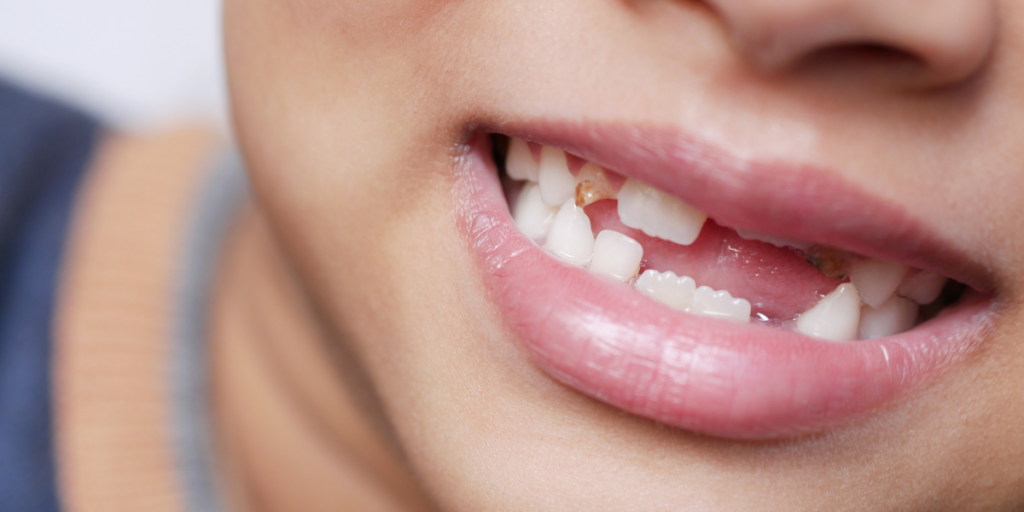
Preventing cavities before they become serious dental problems is one of the most important goals in pediatric dentistry. Many parents are surprised to learn that not every cavity requires a traditional filling. When tooth decay is detected in its earliest stages, modern preventive treatments can help stop damage before it progresses. This approach allows children to maintain stronger, healthier teeth while avoiding more extensive dental procedures later.
Preventive resin restorations are one of the most effective treatments available for early tooth decay. At Lansdowne Pediatric Dentistry, this minimally invasive procedure helps protect vulnerable teeth and preserve healthy tooth structure. In this guide, you’ll learn how preventive resin restorations work, when they are recommended, their benefits for children, and how they fit into a comprehensive preventive dental care plan.
Table of Contents
- What Are Preventive Resin Restorations?
- How Do Preventive Resin Restorations Stop Early Cavities?
- Benefits of Preventive Resin Restorations for Children
- When Should Your Child Receive Preventive Resin Restorations?
- Frequently Asked Questions
What Are Preventive Resin Restorations?
Preventive resin restorations (PRRs) are conservative dental treatments designed to stop early tooth decay before it becomes a larger cavity. They combine the benefits of a dental sealant with a small restoration to repair areas where decay has already begun. Unlike traditional fillings that often require removing larger portions of tooth structure, PRRs focus on preserving as much healthy enamel as possible.
Children are particularly susceptible to cavities in the grooves and pits of their molars. These deep grooves can trap food particles and bacteria, making them difficult to clean with regular brushing alone. When a pediatric dentist detects early decay in these areas, a preventive resin restoration may be recommended to halt progression and strengthen the tooth.
During the procedure, the dentist removes only the affected portion of the tooth, cleans the area thoroughly, and places a tooth-colored resin material to seal and protect the surface. According to the American Dental Association (ADA), early intervention and preventive treatments are essential for reducing the risk of future decay and preserving natural tooth structure.
By addressing decay at its earliest stage, preventive resin restorations support long-term oral health while minimizing the need for more extensive treatments later in life.
How Do Preventive Resin Restorations Stop Early Cavities?
Preventive resin restorations work by eliminating areas where bacteria can continue to grow and cause damage. Once early decay is removed, the resin material creates a protective barrier that seals vulnerable grooves and pits.
The process is straightforward and highly effective. First, the dentist identifies areas of early decay using a clinical examination and diagnostic tools. The affected area is then carefully cleaned. Next, a durable composite resin is applied and bonded to the tooth surface.
One major advantage of this treatment is its ability to stop decay while preserving healthy enamel. Minimal tooth preparation, strong protection against future decay, and natural-looking results make PRRs an attractive option for parents seeking preventive care.
Children typically tolerate preventive resin restorations very well because the procedure is conservative and often requires little to no anesthesia. The treatment can frequently be completed in a single visit, making it convenient for busy families.
For children with a history of cavities or deep molar grooves, preventive treatments can play an important role in maintaining oral health. Parents interested in comprehensive preventive care can also explore our Preventive Dentistry Services page to learn more about cavity prevention strategies.
When combined with proper oral hygiene habits, regular dental visits, and a healthy diet, preventive resin restorations provide long-lasting protection against tooth decay.
Benefits of Preventive Resin Restorations for Children
One of the biggest benefits of preventive resin restorations is their ability to preserve healthy tooth structure. Traditional fillings often require removing larger portions of the tooth, while PRRs focus only on the affected area.
This conservative approach offers several important advantages:
- Preserves more natural enamel
- Stops decay before it worsens
- Strengthens vulnerable teeth
- Provides a natural appearance
- Reduces the need for future restorative treatments
Preventive resin restorations also help reduce dental anxiety. Because the procedure is minimally invasive, many children experience greater comfort compared to traditional restorative treatments. Positive dental experiences early in life can encourage lifelong confidence in visiting the dentist.
Another significant benefit is cost-effectiveness. Treating decay early can prevent more expensive and complex procedures such as crowns, pulpotomies, or extractions. Early intervention often saves both time and money while protecting a child’s oral health.
Research from the Centers for Disease Control and Prevention (CDC) highlights the importance of preventive dental care in reducing childhood cavities and improving long-term oral health outcomes.
At Lansdowne Pediatric Dentistry, preventive treatments are customized to each child’s needs, helping families make informed decisions about protecting and developing smiles.
When Should Your Child Receive Preventive Resin Restorations?
Preventive resin restorations are most effective when early decay is detected before it progresses into a larger cavity. Regular dental examinations play a critical role in identifying these areas early enough for conservative treatment.
Children may be good candidates for PRRs if they have:
- Deep grooves or pits in molars
- Early signs of tooth decay
- A history of frequent cavities
- Difficulty cleaning back teeth effectively
- Increased risk factors for dental caries
The timing of treatment depends on each child’s individual oral health condition. During routine visits, a pediatric dentist evaluates tooth surfaces, reviews cavity risk factors, and determines whether preventive resin restorations would be beneficial.
Parents sometimes wonder whether a dental sealant alone is enough. While sealants are excellent preventive tools, they are intended for teeth without existing decay. Preventive resin restorations are specifically designed for situations where very small areas of decay are already present and require treatment before sealing.
A personalized preventive care plan may also include fluoride treatments, dietary counseling, professional cleanings, and routine examinations. Together, these services create a comprehensive approach to protecting children’s oral health.
The goal is always early intervention. By addressing problems before they become serious, children can avoid discomfort, maintain healthy smiles, and develop strong oral health habits that last into adulthood.
Frequently Asked Questions About Preventive Resin Restorations
Are preventive resin restorations the same as fillings?
No. Preventive resin restorations are more conservative than traditional fillings. They are designed to treat very small areas of early decay while preserving as much healthy tooth structure as possible.
Do preventive resin restorations hurt?
Most children experience little to no discomfort during the procedure. Because only a small amount of tooth structure is treated, anesthesia may not always be necessary.
How long do preventive resin restorations last?
With proper oral hygiene and regular dental visits, preventive resin restorations can last for many years. Longevity depends on factors such as oral habits and cavity risk.
Can preventive resin restorations prevent future cavities?
Yes. The resin material seals vulnerable areas of the tooth, reducing the likelihood of bacteria and food particles accumulating in grooves where decay commonly develops.
What age is best for preventive resin restorations?
The treatment is often recommended once permanent molars erupt and early signs of decay are detected. A pediatric dentist can determine the appropriate timing based on your child’s needs.
Conclusion
Preventive resin restorations offer an effective way to stop cavities before they become larger dental problems. By treating early decay conservatively, this procedure helps preserve healthy tooth structure, strengthen vulnerable teeth, and reduce the need for more extensive restorative treatments. Early intervention remains one of the best strategies for protecting children’s smiles and supporting lifelong oral health.
At Lansdowne Pediatric Dentistry, every treatment plan is tailored to meet the unique needs of each child. Through comprehensive preventive care, advanced diagnostic techniques, and a commitment to patient comfort, the team helps families make informed decisions about their children’s oral health. Whether your child is at risk for cavities or has already developed early signs of decay, preventive resin restorations may provide an excellent solution for maintaining a healthy smile.
If you’re looking for a trusted pediatric dentist in Belmont, VA, preventive care can make all the difference in protecting your child’s smile. Early cavity detection and treatment help prevent discomfort, preserve healthy tooth structure, and reduce the need for more extensive dental procedures in the future.
At Lansdowne Pediatric Dentistry, our team focuses on providing comfortable, child-friendly dental care designed to keep young smiles healthy and strong. We take the time to evaluate your child’s oral health, explain treatment options, and create a personalized preventive care plan that supports long-term dental wellness.
Don’t wait until a small cavity becomes a bigger problem. Schedule a dental evaluation today to learn whether preventive resin restorations are right for your child. Contact Lansdowne Pediatric Dentistry and take the next step toward protecting your child’s healthy smile.