


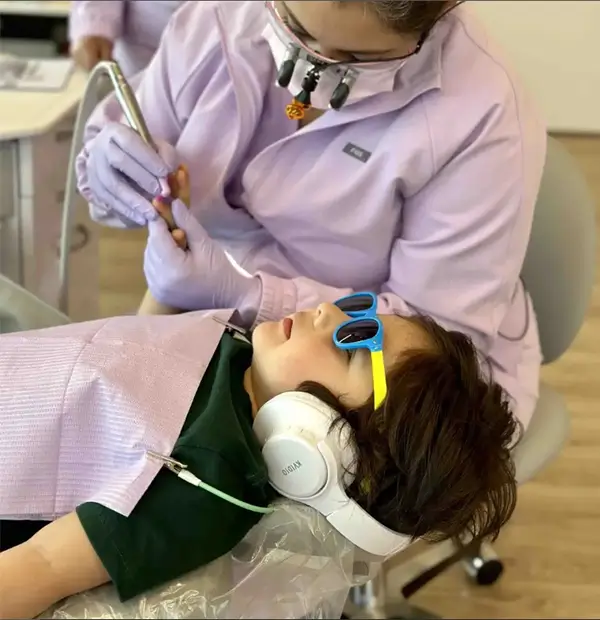
Lansdowne Pediatric Dentistry provides a supportive and calming environment for children. The practice focuses on reducing fear while delivering high-quality care. As a result, children feel more relaxed during every visit.
Many parents search for “kids dentist sedation near me Lansdowne VA” when their child feels anxious. Sedation dentistry offers a safe and effective way to ease those concerns. It allows children to receive treatment comfortably.
Sedation helps children remain calm and cooperative. At the same time, it improves the overall dental experience for both the child and the parent.
Sedation dentistry uses safe techniques to help children relax during dental procedures. The goal is to reduce anxiety and discomfort.
Dentists carefully select the appropriate level of sedation. This depends on the child’s needs and the type of treatment.
Children stay comfortable and relaxed throughout the procedure. This creates a smoother and more positive experience.
Some children feel nervous or fearful about dental visits. Others may have difficulty sitting still for extended periods.
Sedation dentistry addresses these challenges effectively. It allows dentists to complete treatments efficiently while keeping children calm.
Parents often choose sedation because it reduces stress and improves cooperation.
Lansdowne Pediatric Dentistry prioritizes the comfort of every child. The team understands that each child has unique needs.
They create personalized treatment plans that include sedation when necessary. This ensures a safe and comfortable experience.
Children feel supported and cared for during every visit.
The office environment plays a key role in reducing anxiety. Lansdowne Pediatric Dentistry offers a welcoming space designed for children.
Friendly staff and engaging features help children feel at ease. This supportive atmosphere enhances the benefits of sedation dentistry.
Sedation dentistry helps children feel calm during dental visits. It reduces fear and allows them to relax.
Children who feel less anxious cooperate better. This leads to smoother procedures and improved outcomes.
Parents also feel reassured when their child remains comfortable.
Some children struggle to sit still during procedures. Sedation helps them remain relaxed and cooperative.
This allows the dentist to complete treatment efficiently. It also reduces the need for multiple visits.
Better cooperation leads to a more positive experience.
Sedation minimizes discomfort during dental treatments. Children feel more at ease and less aware of the procedure.
This makes the experience less stressful. It also helps children develop a positive attitude toward dental care.
Comfort remains a key benefit of sedation dentistry.
Pediatric sedation dentistry follows strict safety guidelines. Dentists monitor children closely throughout the procedure.
This ensures a safe and controlled environment. Parents can feel confident in the level of care provided.
Safety remains a top priority at all times.
Some children have a strong gag reflex or heightened sensitivity. Sedation helps manage these challenges.
This allows the dentist to work more effectively. It also reduces discomfort for the child.
Managing sensitivity improves the overall experience.
Sedation allows dentists to perform multiple treatments in a single visit. This reduces the need for repeated appointments.
Children benefit from fewer visits and less overall stress. Parents appreciate the convenience.
Efficiency improves both time and outcomes.
Sedation helps create positive dental experiences. Children associate visits with comfort rather than fear.
This encourages regular checkups and better oral health habits. Positive experiences build long-term confidence.
Children with special needs may require additional support during dental visits. Sedation provides a helpful solution.
It allows them to receive necessary care in a calm environment. This ensures they receive the same quality of treatment.
Sedation helps streamline dental procedures. Dentists can work efficiently without interruptions.
This reduces the overall time spent in the chair. Children benefit from shorter and more comfortable visits.
When children feel comfortable, they develop trust in their dentist. Sedation helps create this positive connection.
Trust encourages children to maintain regular dental visits. This supports long-term oral health.
The process begins with a detailed consultation. The pediatric dentist evaluates your child’s oral health and behavior.
They discuss sedation options and explain the procedure clearly. This helps parents feel informed and prepared.
The dentist creates a personalized treatment plan based on the child’s needs.
Preparation plays an important role in ensuring a smooth experience. Parents receive instructions before the appointment.
These may include guidelines about eating and drinking. Following these instructions helps ensure safety.
Children also benefit from calm and reassuring communication before the visit.
Nitrous oxide, also known as laughing gas, helps children relax. It works quickly and wears off soon after the procedure.
Children remain awake but feel calm and comfortable.
Oral sedation involves medication taken before the procedure. It helps children feel relaxed and drowsy.
This option works well for children with moderate anxiety.
For more complex cases, dentists may recommend deeper sedation. This ensures complete comfort during longer procedures.
The dental team monitors the child closely throughout the process.
The dental team ensures that the child feels comfortable before starting. A calm environment helps reduce anxiety.
Parents may stay nearby to provide reassurance.
The dentist monitors the child’s vital signs during the procedure. This ensures safety at all times.
Advanced equipment helps track breathing and heart rate.
Sedation allows the dentist to work efficiently. The procedure often takes less time due to improved cooperation.
Children remain calm throughout the treatment.
After the procedure, children enter a recovery phase. The dental team monitors them until they feel alert.
Most children recover quickly, especially with mild sedation.
Parents receive detailed instructions for aftercare. These may include dietary guidelines and activity recommendations.
Following these instructions supports a smooth recovery.
Parents should provide a calm and supportive environment at home. Children may feel slightly tired after the procedure.
Encouraging rest helps them recover comfortably. Most children return to normal activities within a short time.
The dental team may schedule follow-up visits if needed. These visits ensure that treatment results remain successful.
Regular checkups support ongoing oral health.
Sedation dentistry helps children associate dental visits with comfort. This reduces fear and encourages regular care.
Children who feel comfortable are more likely to maintain good oral hygiene habits.
Children who feel comfortable during visits are more likely to return regularly. Sedation helps create this positive experience.
Regular visits support early detection and prevention of dental issues.
Pediatric dentistry focuses on growth and development. Sedation ensures that children receive necessary care without stress.
This supports healthy teeth and gums as children grow.
Positive early experiences reduce long-term dental anxiety. Sedation plays a key role in creating these experiences.
Children who trust their dentist maintain better oral health habits.
Finding a kids dentist sedation near me in Lansdowne VA provides a solution for children who feel anxious about dental care. Sedation dentistry offers comfort, safety, and efficiency.
Lansdowne Pediatric Dentistry delivers personalized care in a welcoming environment. The use of sedation ensures that children receive treatment in a calm and supportive setting.
Parents can feel confident choosing this approach. It supports healthy smiles, reduces anxiety, and creates positive dental experiences for children.
Parents want dental visits to feel calm and positive for their children. However, some situations make treatment more challenging. In these cases, sedation dentistry offers a safe and effective solution.
Lansdowne Pediatric Dentistry focuses on comfort and personalized care. Therefore, recognizing the signs that your child may need sedation helps ensure a better experience. Early awareness allows parents to make informed decisions.
When children feel relaxed, dental care becomes easier and more effective. Understanding these signs helps protect both their comfort and oral health.
Many children feel nervous before visiting the dentist. However, intense fear may signal a need for sedation support.
Children may cry, resist, or refuse to enter the office. These reactions indicate that anxiety is interfering with care.
Sedation dentistry helps reduce fear and create a calm experience. This allows children to receive treatment without distress.
Some children become anxious once treatment begins. They may move suddenly or express fear during the procedure.
This behavior makes it difficult to complete treatment safely. Sedation helps children remain calm and still.
A relaxed child allows the dentist to work efficiently and comfortably.
Young children often struggle to sit still for extended periods. However, some children find it especially difficult.
Frequent movement can interrupt procedures. This may lead to incomplete treatment or longer appointments.
Sedation helps children stay relaxed and still. This improves efficiency and reduces stress.
Restlessness during dental treatment can pose safety concerns. Sudden movements may increase the risk of injury.
Sedation creates a controlled environment. This ensures that treatment remains safe and effective.
Children who had difficult dental experiences may develop lasting fear. This fear can make future visits challenging.
They may associate the dentist with discomfort or stress. As a result, they resist care.
Sedation helps create a new and positive experience. It replaces fear with comfort and trust.
Some children refuse to attend dental visits due to past experiences. This avoidance can lead to worsening oral health.
Sedation allows these children to receive necessary care. It also helps rebuild their confidence in dental visits.
Some children have a low tolerance for discomfort. Even minor procedures may feel overwhelming.
This sensitivity can make treatment stressful. Sedation helps reduce awareness of discomfort.
Children feel more comfortable throughout the procedure.
A strong gag reflex can interfere with dental care. It may make procedures uncomfortable or difficult.
Sedation helps relax the child and reduce this reflex. This allows the dentist to work more effectively.
Some children require several treatments at once. Completing these procedures without sedation can be challenging.
Sedation allows the dentist to perform multiple treatments efficiently. This reduces the number of visits needed.
Children benefit from fewer appointments and less overall stress.
Certain dental issues require more detailed treatment. These procedures may take longer and require greater cooperation.
Sedation helps ensure that the child remains calm throughout. This improves both comfort and results.
Children with developmental challenges may struggle to follow instructions during treatment. This can make procedures more difficult.
Sedation provides a supportive solution. It allows these children to receive care in a calm environment.
Some children have heightened sensitivity to sounds, lights, or sensations. This can make dental visits overwhelming.
Sedation helps reduce sensory stress. It creates a more comfortable experience.
Children who resist brushing at home may also struggle during dental visits. This behavior may indicate discomfort or anxiety.
Sedation helps address these challenges during treatment. It ensures that necessary care can be completed.
Children who complain about dental discomfort may feel anxious about treatment. This can affect their willingness to cooperate.
Sedation helps reduce discomfort and anxiety. It allows children to receive care without fear.
Some parents delay dental visits because their child feels anxious. However, delaying care can lead to more serious issues.
Sedation dentistry provides a solution. It allows treatment to proceed without causing stress.
Early intervention helps prevent complications.
When dental care is delayed, problems can worsen. Cavities and other issues may become more severe.
Sedation helps ensure that treatment happens on time. This protects the child’s oral health.
Younger children may not fully understand or express their discomfort. This can make dental visits challenging.
Sedation helps manage these situations. It ensures that treatment remains smooth and controlled.
Children may show discomfort through behavior rather than words. Irritability or resistance may signal dental concerns.
Sedation helps address these challenges. It allows the dentist to provide care without added stress.
Some procedures require more time. Children may find it difficult to remain calm during longer visits.
Sedation helps maintain comfort throughout the procedure. It ensures that treatment progresses smoothly.
Long appointments can increase stress for children. Sedation reduces this stress and creates a more manageable experience.
This improves both the child’s comfort and the dentist’s ability to work efficiently.
Dental tools can appear intimidating to children. The sounds and sensations may increase anxiety.
Sedation helps reduce awareness of these factors. Children feel more relaxed during treatment.
Some children react strongly to lights, sounds, or sensations in the dental office. This can make treatment difficult.
Sedation provides a calming effect. It helps children remain comfortable despite these stimuli.
Children may become irritable or withdrawn before dental visits. This behavior often indicates anxiety.
Sedation helps reduce this stress. It creates a more positive experience.
Some children take longer to calm down after stressful events. Dental visits may feel overwhelming.
Sedation helps prevent these situations. It supports a smoother and more controlled experience.
Recognizing the need for sedation early helps prevent complications. It allows for timely and effective treatment.
Children receive care before problems become more severe.
Sedation helps create positive dental experiences. Children learn that visits can feel comfortable and safe.
This encourages regular checkups and better oral health habits.
Lansdowne Pediatric Dentistry creates customized sedation plans for each child. The dental team evaluates individual needs carefully.
This ensures that every child receives the right level of support.
The practice prioritizes both comfort and safety. Advanced techniques and monitoring ensure a controlled environment.
Parents can feel confident in the care their child receives.
Understanding when your child may need kids dentist sedation near me in Lansdowne VA is essential. These signs help guide parents toward the best solution.
Sedation dentistry offers a safe and effective way to reduce anxiety and improve cooperation. It ensures that children receive the care they need in a comfortable environment.
By recognizing these signs early, parents can support their child’s oral health and overall well-being. Lansdowne Pediatric Dentistry provides the expertise and care needed for positive dental experiences and lasting healthy smiles.
Kids dentist sedation plays an important role in helping children receive comfortable and stress-free dental care. However, maintaining the results after treatment requires consistent effort at home and regular professional care. Parents and children must work together to protect oral health and ensure lasting benefits.
Lansdowne Pediatric Dentistry focuses on prevention and long-term wellness. Therefore, proper care after sedation appointments helps preserve treatment results and reduces the need for future procedures. When families follow the right habits, children enjoy healthier smiles and more positive dental experiences.
Understanding how to maintain results after sedation dentistry ensures that the investment in your child’s oral health continues to pay off.
Brushing twice daily remains essential after any dental treatment. Children should use a soft-bristled toothbrush and fluoride toothpaste to clean their teeth effectively.
Parents should supervise younger children to ensure proper brushing techniques. This helps remove plaque and prevent new dental issues from developing.
Consistency is key. When children brush regularly, they protect the results achieved during sedation appointments.
Flossing removes food particles and plaque from areas brushing cannot reach. This step becomes especially important after dental procedures.
Parents should introduce flossing early and guide children through the process. Floss picks can make the experience easier and more engaging.
Clean spaces between teeth help prevent cavities and gum problems. This supports long-term oral health.
Diet plays a major role in maintaining dental results. Children should eat balanced meals that include fruits, vegetables, dairy, and whole grains.
These foods provide essential nutrients that strengthen teeth and gums. They also support overall health and development.
Encouraging healthy eating habits helps protect the results of dental treatment.
Sugary snacks and drinks increase the risk of cavities. Acidic foods can weaken enamel and irritate the mouth.
Parents should limit these items and encourage healthier alternatives. Water and milk remain the best choices for hydration.
Reducing sugar intake helps maintain strong and healthy teeth.
Routine dental visits allow the dentist to monitor your child’s oral health. These checkups ensure that treatment results remain stable.
Early detection of potential issues prevents complications. This proactive approach supports long-term success.
Parents should schedule visits according to the dentist’s recommendations.
Even with good oral hygiene, professional cleanings remain necessary. These cleanings remove plaque and tartar that brushing may miss.
Regular cleanings help maintain healthy gums and teeth. They also protect the results achieved during sedation dentistry.
Children need consistent routines to maintain oral health. Parents should make brushing and flossing part of daily activities.
Consistency builds strong habits over time. These habits protect the results of dental treatment.
Positive routines also reduce the risk of future dental problems.
Parents can make oral hygiene fun by using colorful toothbrushes or playing music during brushing. This encourages children to participate willingly.
Engaging activities help children stay consistent with their routines. This supports long-term oral health.
After sedation dentistry, some children may experience mild sensitivity. This is normal and usually temporary.
Parents should reassure their child and monitor any discomfort. Understanding recovery helps reduce anxiety.
Most children return to normal quickly with proper care.
Using a soft-bristled toothbrush and avoiding hard foods can help manage sensitivity. Gentle care supports healing and comfort.
Parents should ensure that children follow recommended guidelines.
Water helps rinse away food particles and bacteria. It also keeps the mouth hydrated and supports natural healing.
Encourage children to drink water throughout the day. This simple habit benefits overall oral health.
Sugary drinks can harm teeth and gums. They increase the risk of cavities and plaque buildup.
Parents should limit these beverages and promote healthier options.
Healthy hydration habits protect the results of dental care.
Parents should regularly check their child’s teeth and gums. Look for signs such as redness, swelling, or discomfort.
Early detection allows for quick action. This prevents minor issues from becoming serious problems.
Staying attentive ensures that oral health remains stable.
Children should feel comfortable discussing any discomfort. Parents should encourage them to share concerns.
Open communication helps parents respond quickly to potential issues.
Preventive care remains essential after sedation dentistry. Regular brushing, flossing, and checkups help avoid new issues.
Parents should prioritize prevention as part of daily routines.
If new concerns arise, early intervention is important. Waiting can lead to more complex treatments.
Lansdowne Pediatric Dentistry encourages proactive care. Early action protects both oral health and treatment results.
Children who have positive dental experiences are more likely to maintain good habits. Parents should praise their child’s cooperation and bravery.
This builds confidence and reduces fear of future visits.
Talking positively about dental care helps children feel comfortable. A calm approach reduces anxiety and encourages regular visits.
Positive reinforcement supports long-term oral health.
Lifestyle choices affect oral health significantly. Healthy eating, proper hygiene, and hydration all contribute to maintaining results.
Parents should create routines that support these habits.
While routines are important, flexibility helps children adapt. Occasional changes are normal, but returning to habits quickly is key.
Maintaining balance ensures effective oral care.
Parents play a central role in their child’s oral health. Supervision ensures that routines are followed correctly.
Guidance helps children develop proper techniques and habits.
Active involvement leads to better outcomes.
Children often imitate their parents. Demonstrating good oral hygiene habits sets a strong example.
When parents prioritize dental care, children follow naturally.
Maintaining results ensures that the benefits of sedation dentistry last. Proper care protects teeth and gums from future issues.
Children enjoy improved comfort and confidence when results remain stable.
Oral health connects to overall well-being. Healthy teeth and gums contribute to better self-esteem and comfort.
Children with healthy smiles feel more confident in their daily lives.
Lansdowne Pediatric Dentistry provides continuous support for families. The dental team offers personalized advice for maintaining results.
Regular communication ensures that parents feel confident in their child’s care.
The practice emphasizes prevention and early intervention. This approach helps maintain results and avoid future issues.
Families benefit from comprehensive and personalized care.
Maintaining results after kids dentist sedation requires consistency, awareness, and proactive care. Parents and children must work together to protect oral health.
By following proper hygiene routines, attending regular checkups, and making healthy lifestyle choices, families can ensure lasting benefits.
Lansdowne Pediatric Dentistry provides the expertise and support needed for successful outcomes. With the right approach, children can enjoy healthy smiles, improved comfort, and positive dental experiences for years to come.
Choosing kids dentist sedation near me in Lansdowne VA is a thoughtful step toward a more comfortable dental experience. Many children feel nervous about dental visits. However, the right preparation and support can make a significant difference.
Lansdowne Pediatric Dentistry focuses on creating a calm and positive environment. Parents play a key role in helping children feel relaxed and confident. With the right approach, sedation dentistry becomes a smooth and reassuring experience.
Understanding how to prepare, what to expect, and how to support your child ensures better results. It also builds a foundation for lifelong positive dental habits.
Parents should first understand how sedation dentistry works. Sedation helps children relax during dental procedures. It reduces anxiety and allows the dentist to perform treatment efficiently.
Different levels of sedation may be used depending on the child’s needs. These include mild options like nitrous oxide and deeper forms for complex procedures.
Knowing how sedation works helps parents feel more confident. It also allows them to explain the process clearly to their child.
Children respond best to simple and positive explanations. Parents should describe sedation as a way to help them feel calm and comfortable.
For example, you can say the dentist will give them something to help them relax. Avoid using words that may cause fear.
Clear communication helps children feel prepared and less anxious.
Children often mirror their parents’ emotions. Therefore, staying calm and positive helps your child feel secure.
Talk about the dental visit as a helpful and safe experience. Emphasize that the dentist is there to keep their teeth healthy.
Positive language builds trust and reduces fear.
Children should feel comfortable asking questions about their visit. Parents can encourage them to share their thoughts and concerns.
Answer questions honestly while keeping explanations simple. This helps children feel involved and informed.
Open communication creates a sense of control and comfort.
Selecting a skilled pediatric dental team ensures a safe and effective experience. Lansdowne Pediatric Dentistry specializes in treating children with care and patience.
The team understands how to manage anxiety and provide sedation safely. Their experience ensures that each child receives personalized care.
Parents should feel confident in the dentist’s expertise and approach.
A welcoming and child-friendly environment helps reduce anxiety. Look for an office that offers a comfortable and engaging atmosphere.
Friendly staff and calming features help children relax. This positive setting supports a better experience during sedation dentistry.
Timing affects your child’s mood and energy level. Schedule the appointment when your child is well-rested.
Morning appointments often work best for younger children. They tend to feel calmer and more cooperative earlier in the day.
Choosing the right time improves the overall experience.
Avoid rushing before the appointment. Give your child enough time to prepare and relax.
A calm schedule reduces stress and sets a positive tone for the visit.
Preparation helps both parent and child feel more at ease.
The dental team will provide specific instructions before the appointment. These may include guidelines about eating and drinking.
Parents should follow these instructions carefully. Proper preparation ensures safety and effectiveness.
Clear preparation supports a smooth sedation process.
Comfortable clothing helps children feel relaxed during the appointment. Choose soft and simple outfits.
Avoid tight or restrictive clothing. Comfort allows children to sit calmly during the procedure.
A favorite toy or blanket can help children feel secure. Familiar items provide comfort in a new environment.
These items can also distract children and reduce anxiety.
Comfort plays an important role in creating a positive experience.
Parents should remain calm and supportive throughout the visit. Children often reflect their parents’ emotions.
A relaxed attitude reassures the child and builds confidence.
Confidence from parents leads to confidence in children.
Positive reinforcement helps children stay calm and cooperative. Simple words of encouragement can make a big difference.
Parents can remind their child that they are doing well. This builds confidence and reduces fear.
Encouragement creates a supportive atmosphere.
The dental team has experience managing sedation procedures. Allow them to guide the process and communicate with your child.
Trusting their expertise ensures a smoother and more efficient experience.
Simple relaxation techniques can help children feel calm. Deep breathing or quiet moments before the appointment can reduce stress.
Parents can practice these techniques at home. Familiarity makes them more effective during the visit.
Relaxation helps children stay comfortable.
Parents should avoid sharing negative dental stories. These can increase fear and anxiety.
Instead, focus on positive outcomes and experiences. This helps build a calm mindset.
A positive outlook improves cooperation and comfort.
Children should understand what happens after sedation. Explain that they may feel tired or sleepy.
Reassure them that this feeling will pass quickly. Clear expectations reduce worry.
Understanding recovery helps children feel prepared.
The dental team will provide detailed aftercare guidelines. Parents should follow these instructions carefully.
Proper care supports recovery and maintains treatment results.
Consistency ensures a smooth healing process.
Recognizing your child’s cooperation encourages positive behavior. Praise helps build confidence and reduce fear.
Children feel proud when their efforts are acknowledged.
Positive reinforcement creates lasting impressions.
Small rewards can motivate children to stay calm during the visit. These rewards may include stickers or a favorite activity.
Rewards should reinforce positive behavior without creating pressure.
This approach helps children associate dental visits with positive experiences.
Regular visits help children become familiar with the dental office. Familiarity reduces fear and builds comfort.
Children who feel comfortable are more likely to cooperate during procedures.
Consistency plays a key role in building confidence.
After the appointment, discuss the positive aspects of the visit. Highlight your child’s bravery and cooperation.
This helps create a positive memory associated with dental care.
Positive memories encourage future visits.
Daily brushing and flossing support the results of dental treatment. Parents should ensure that children follow proper routines.
Consistency helps maintain healthy teeth and gums.
Good habits protect the results of sedation dentistry.
Diet plays an important role in oral health. Encourage foods that support strong teeth and gums.
Limit sugary snacks and drinks. Healthy choices protect dental results.
Balanced nutrition supports long-term oral health.
Parents should feel comfortable asking questions about sedation and treatment. Understanding each step helps ensure success.
The dental team can provide personalized advice based on your child’s needs.
Clear communication supports better outcomes.
Follow-up appointments allow the dentist to monitor recovery and oral health. These visits ensure that everything progresses as expected.
Regular checkups support long-term success.
Children who have positive experiences feel less anxious about future visits. Parents should continue using calm and supportive communication.
Talking positively about dental care helps maintain confidence.
A relaxed mindset supports long-term habits.
As children grow, they should take responsibility for their oral health. Parents can guide them in developing independence.
Confidence in their abilities supports long-term success.
Family involvement strengthens oral care routines. When everyone participates, children feel more motivated.
Parents can create shared routines that include brushing and flossing together.
This approach builds consistency and accountability.
Children learn by observing their parents. Demonstrating good oral hygiene habits sets a strong example.
When parents prioritize dental care, children follow naturally.
This creates a lasting impact on oral health.
Kids dentist sedation offers a safe and effective way to help children receive comfortable dental care. However, preparation and support play a crucial role in the overall experience.
By following these tips, parents can help their children feel calm, confident, and ready for treatment. Lansdowne Pediatric Dentistry provides a welcoming environment that supports every step of the process.
With the right approach, dental visits become positive and stress-free. This foundation helps children develop healthy habits and maintain strong, confident smiles for years to come.
Parents often want clear answers before choosing sedation dentistry for their child. This decision involves trust, safety, and comfort. Therefore, understanding how sedation works helps families feel confident and prepared.
At Lansdowne Pediatric Dentistry, education and reassurance guide every step. The team focuses on making each experience calm and supportive. The following questions address common concerns and provide detailed explanations.
Safety remains the top priority in pediatric dentistry. Sedation dentistry for children follows strict medical guidelines and protocols. Dentists carefully evaluate each child before recommending sedation.
The dental team reviews medical history, behavior, and treatment needs. This ensures the safest and most appropriate approach. During the procedure, the dentist monitors the child closely.
Advanced equipment tracks breathing, heart rate, and oxygen levels. This continuous monitoring ensures that the child remains stable and comfortable.
Sedation methods used in pediatric dentistry have a long history of safe use. Options like nitrous oxide wear off quickly and allow children to return to normal activities.
More advanced sedation options are also safe when administered by trained professionals. The dental team follows precise dosing and monitoring standards.
Parents can feel reassured knowing that safety measures guide every step. Lansdowne Pediatric Dentistry prioritizes both comfort and protection throughout the procedure.
Pediatric sedation dentistry offers several options based on the child’s needs. Each type provides a different level of relaxation and support.
Nitrous oxide remains one of the most common options. It helps children feel calm and relaxed while staying awake. The effects wear off quickly after the procedure.
Oral sedation involves medication taken before the appointment. This helps children feel drowsy and less aware of the procedure. It works well for moderate anxiety.
In some cases, deeper sedation may be recommended. This option helps children remain fully relaxed during longer or complex treatments.
The dentist selects the appropriate method based on several factors. These include the child’s age, anxiety level, and treatment requirements.
Each option aims to create a comfortable experience while maintaining safety. The goal remains to reduce stress and improve cooperation.
Not every child requires sedation dentistry. However, certain signs indicate that it may be beneficial. Children with high anxiety or fear often struggle during dental visits.
If a child refuses treatment or becomes distressed, sedation may help. It allows the dentist to complete procedures without causing stress.
Children who have difficulty sitting still may also benefit. Sedation helps them remain calm and cooperative during treatment.
A strong gag reflex or heightened sensitivity can make procedures uncomfortable. Sedation reduces these challenges and improves the experience.
Additionally, children who need multiple procedures may require sedation. It allows the dentist to complete treatment in fewer visits.
The pediatric dentist evaluates each situation carefully. They recommend sedation only when it supports the child’s comfort and safety.
Preparation begins before the appointment. The dental team provides clear instructions for parents to follow. These may include guidelines about eating and drinking.
Parents should ensure their child follows these instructions carefully. Proper preparation helps ensure a smooth and safe procedure.
On the day of the appointment, the dental team creates a calm environment. They explain the process in simple terms to help the child feel comfortable.
During the procedure, the dentist monitors the child closely. This ensures safety and comfort at all times.
After the procedure, children may feel slightly drowsy or tired. This is normal and usually temporary. Parents should provide a calm and quiet environment for recovery.
Most children return to normal activities within a short time. The dental team also provides aftercare instructions to support recovery.
Understanding each stage helps parents feel prepared and confident. Clear expectations lead to a smoother experience.
Sedation dentistry does not negatively affect long-term oral health. In fact, it often supports better outcomes. It allows children to receive necessary care without fear or resistance.
Children who have positive experiences are more likely to maintain regular dental visits. This supports early detection and prevention of dental issues.
Sedation also helps complete treatments efficiently. This reduces the risk of untreated problems that could worsen over time.
Additionally, positive dental experiences build confidence. Children develop a healthier attitude toward oral care.
Over time, this leads to better hygiene habits and improved oral health. Sedation plays a role in creating these positive outcomes.
Parents can feel confident that sedation supports both immediate care and long-term wellness.
Your child deserves dental care that feels safe, gentle, and reassuring. If your child feels anxious about dental visits, sedation dentistry can make a meaningful difference. It transforms fear into comfort and allows treatment to happen smoothly.
At Lansdowne Pediatric Dentistry, every child receives personalized care in a welcoming and supportive environment. The team understands that children need more than treatment. They need patience, reassurance, and a positive experience that builds confidence.
Choosing kids dentist sedation near me in Lansdowne VA means choosing comfort and peace of mind. It allows your child to receive the care they need without stress or fear. This approach helps create a strong foundation for lifelong oral health.
Do not let anxiety delay your child’s dental care. Early treatment prevents more serious issues and supports healthier smiles. Taking action now helps protect your child’s future.
Schedule your child’s visit with Lansdowne Pediatric Dentistry today. Discover how sedation dentistry can make dental care easier and more comfortable for your family.
Your child’s smile deserves expert care, gentle support, and a positive experience every step of the way. Let Lansdowne Pediatric Dentistry guide you toward a healthier, happier future with confidence and comfort.